
What Is Asthma? Types, Symptoms, Causes & Treatment
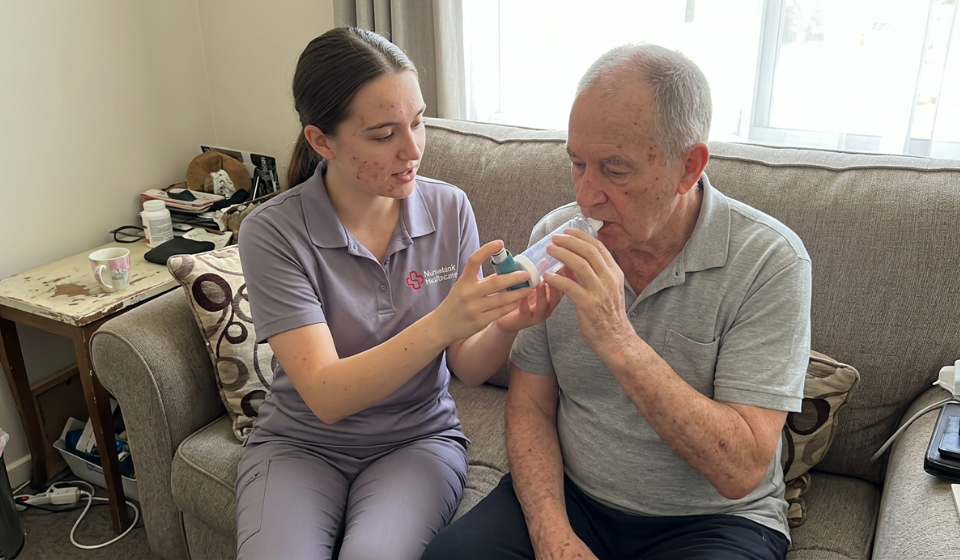
Asthma is a respiratory condition that can affect children and adults, including older people. It develops when the airways become sensitive to particular triggers, causing inflammation and changes that can restrict airflow. Symptoms may come and go or become more persistent, depending on the individual and how well the condition is controlled. What Is Asthma? Understanding The Condition & Its Effects Asthma is a chronic condition affecting the airways, the tubes that carry air into and out of the lungs. Healthy airways normally allow air to move freely. With asthma, the airways can become unusually sensitive and react to certain triggers, making breathing harder. During asthma symptoms, several changes can occur: The airway lining becomes inflamed and swollen. Muscles around the airways tighten. The airways may produce additional mucus. The airway passages become narrower. Reduced airflow can cause wheezing, coughing, chest tightness and breathlessness. Asthma can be occasional or persistent, and severity can change over time. It is also different from conditions such as a heart attack or respiratory infection, although these can cause similar breathing problems. New, severe or unexplained breathing difficulties should be assessed by a healthcare professional. What Are The Different Types Of Asthma? The different types of asthma are generally described according to triggers, age of onset or circumstances surrounding symptoms, and more than one pattern can occur in the same person. Allergic Asthma Allergic asthma is associated with allergens such as pollen, dust mites, mould or animal dander. Exposure to a relevant allergen can contribute to airway inflammation and symptoms. Non-Allergic Asthma Non-allergic asthma occurs without a typical allergic response. Smoke, pollution, cold air, infections, strong smells or other irritants may trigger symptoms. Exercise-Induced Asthma Exercise-induced asthma causes symptoms during or after physical activity. With appropriate management, many people can remain active. Occupational Asthma Occupational asthma is associated with workplace exposure to dust, fumes, chemicals or other airborne irritants. Symptoms may follow a work-related pattern. Childhood Asthma Childhood asthma develops during childhood and may change as a child grows. Symptoms can occur with infections or allergens. Adult-Onset Asthma Adult-onset asthma develops during adulthood and can occur without a previous asthma history. Workplace exposures, allergies, infections and other factors may contribute. A healthcare professional can help identify the appropriate treatment. What Are The Common Symptoms Of Asthma? The common symptoms of asthma are wheezing, shortness of breath, recurring coughing, chest tightness and difficulty breathing. They occur when airway inflammation and narrowing reduce normal airflow. Severe breathing difficulty requires urgent attention. Warning signs include rapidly worsening breathlessness, difficulty speaking because of breathing problems, extreme exhaustion or symptoms that do not improve with prescribed reliever medicine. Seek immediate medical assistance in an emergency. What Causes Asthma & What Can Trigger Its Symptoms? The causes of asthma involve genetic and environmental factors, while triggers are substances or situations that cause symptoms to appear or worsen. Having a risk factor does not mean someone will definitely develop asthma. Potential Causes & Risk Factors Genetics and family history can influence susceptibility. Allergies, environmental exposure, respiratory infections and workplace exposure may also contribute. Other individual factors can affect airway sensitivity. Common Asthma Triggers Common triggers include pollen, dust, dust mites, mould, pet dander, cigarette smoke, air pollution, cold air, exercise, respiratory infections, strong smells, chemical fumes, stress and strong emotions. Not every trigger affects every person. How Is Asthma Diagnosed & Treated? Asthma diagnosis usually combines medical history, symptom assessment, physical examination and, where appropriate, lung function testing. Treatment focuses on controlling airway inflammation, relieving symptoms and reducing future flare-ups. How Is Asthma Diagnosed? Diagnosis may involve: Reviewing symptoms, timing, triggers and medical history. Performing a physical examination. Using spirometry to assess airflow. Measuring peak flow when appropriate. Considering other breathing or allergy tests when clinically indicated. How Is Asthma Treated? Management and treatment of asthma depend on the person’s symptoms, severity and health needs. Treatment may include prescribed reliever medicines for acute symptoms and preventer or controller medicines to reduce airway inflammation. Correct inhaler technique matters, and regular medical reviews can help determine whether treatment remains effective. How Can Asthma Be Managed? Effective management may include identifying relevant triggers, taking medicines as prescribed, monitoring symptoms, following an asthma action plan, maintaining suitable physical activity, avoiding tobacco smoke and attending healthcare reviews. What Should You Do During An Asthma Attack? During an asthma attack, follow the person’s asthma action plan and use prescribed reliever medicine as directed. If symptoms are severe, worsening quickly or not improving with prescribed treatment, seek emergency medical assistance. Severe breathing difficulty can become life-threatening. Conclusion Asthma affects the airways and can cause wheezing, coughing, chest tightness and breathing difficulty, but appropriate management can help many people control their symptoms. Recognising symptoms and triggers, receiving an accurate diagnosis, using prescribed treatment correctly and attending regular reviews are important for long-term care. Unexplained or worsening breathing symptoms should always be assessed professionally. Frequently Asked Questions Can asthma cause crackling in lungs? Asthma is more commonly associated with wheezing than crackling sounds. Crackles can occur with other respiratory conditions, including some infections or problems affecting lung tissue. New crackling sounds with persistent breathlessness or worsening symptoms should be medically assessed rather than automatically attributed to asthma. Can asthma cause pain in chest? Asthma can cause chest tightness and discomfort, particularly during breathing difficulties or repeated coughing. However, new or significant chest pain should not automatically be blamed on asthma because heart and lung conditions can cause similar symptoms. Sudden, severe or persistent chest pain with breathlessness requires urgent medical assessment. Can asthma cause shaking? Asthma is not usually a direct cause of shaking. Trembling can sometimes occur after using certain reliever medicines, while anxiety during breathing difficulties may also contribute. Persistent or severe shaking, especially with weakness, confusion or other concerning symptoms, should be assessed by a healthcare professional. Can allergies cause asthma symptoms? Yes. Allergies can trigger asthma symptoms in people with allergic asthma. Pollen, dust mites, mould and animal dander may contribute to airway inflammation and narrowing,
Senior Winter Fire Safety: What You Need To Know
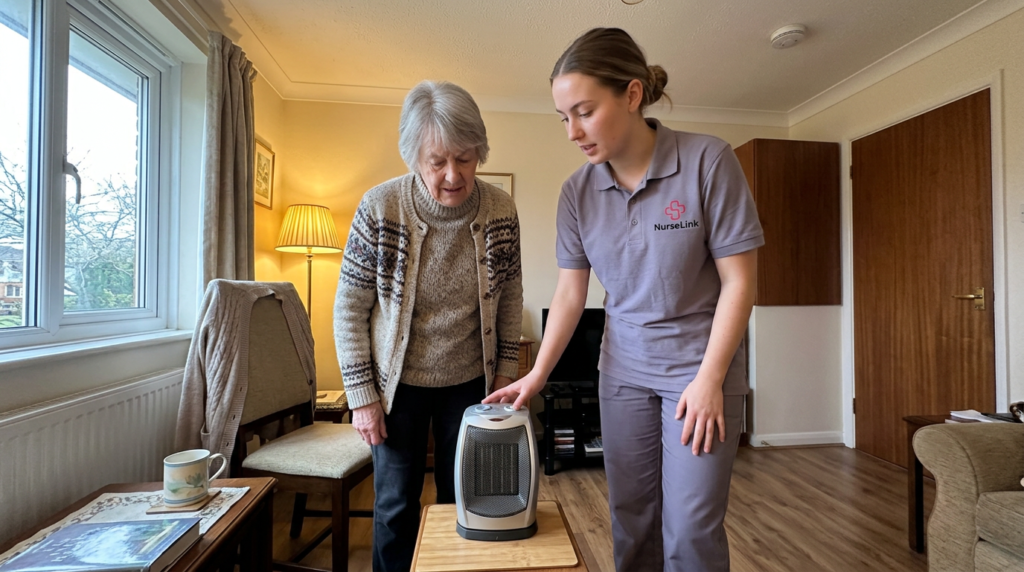
Winter brings colder temperatures and more time spent indoors, which means heaters, electric blankets, fireplaces and other heating appliances are used more frequently. While these devices can make a home more comfortable, they can also introduce additional fire risks if they are damaged, incorrectly positioned or left unattended. Fire and Rescue NSW identifies winter as a higher-risk period for residential fires because of increased use of heating equipment and electrical appliances. For older adults, staying safe can involve more than simply switching off a heater. Seniors living alone or those who have mobility, hearing, vision or cognitive difficulties may have additional challenges recognising a fire quickly or leaving the home safely. The good news is that many household fire risks can be reduced through sensible preparation and everyday safety habits. This guide covers practical winter home safety tips, including common fire risks, safer heating practices, smoke alarm checks, fire prevention, emergency planning and what seniors should do if a fire starts. Understanding The Common Winter Fire Risks For Seniors As temperatures fall, households naturally rely more heavily on heating appliances. Portable heaters, electric blankets, fireplaces and other devices can all become potential sources of fire when they are faulty, incorrectly used or positioned too close to materials that can burn. Electrical faults, overloaded power points and unattended cooking can also contribute to household fires. The space around a heating appliance is particularly important. Curtains, bedding, clothing, furniture and other flammable items should be kept well away from heaters and fireplaces. Fire and Rescue NSW recommends keeping combustible materials at least one metre from heating equipment. Power boards and extension leads also need care, as high-powered appliances such as heaters should not be connected in ways that could cause electrical equipment to overheat. Cooking is another important consideration. Leaving food unattended, particularly when using a stovetop, can allow a small incident to become a serious kitchen fire within minutes. Candles, open fireplaces and other sources of flame can create similar risks when left unattended. Why Seniors May Face Greater Fire Risks A fire can develop quickly, so the ability to recognise an alarm and leave the property without delay is important. Limited mobility may make stairs, narrow doorways or longer escape routes more difficult to navigate. Someone using a walking frame, wheelchair or other mobility aid may also need additional time or assistance during an evacuation. Hearing and vision difficulties can affect how quickly a person notices an alarm, smoke or flames. For this reason, fire prevention and emergency planning should reflect the individual’s circumstances rather than relying on a standard approach. Families, carers and support workers can help identify practical adjustments that make the home safer and evacuation easier. Essential Home Heating Safety Tips For Older Adults Portable heaters should be placed on a stable, level surface where they are unlikely to be knocked over. Keep curtains, bedding, clothing, furniture and other flammable materials at least one metre away from the heater. Heaters should also be positioned where cords do not create a trip hazard. Before using a heater, inspect its cord, plug and other visible components for damage. If an appliance appears faulty, it should not be used until it has been appropriately assessed or replaced. Fixed heating systems, fireplaces, flues and chimneys should also be maintained as recommended by the manufacturer or a qualified professional. Avoid leaving heating equipment unattended and follow the manufacturer’s instructions regarding overnight use. As a general safety measure, heating appliances should be switched off when leaving the home or going to bed unless the product is specifically designed and approved for safe continuous operation. Using Electric Blankets & Heated Appliances Safely Electric blankets can be useful during colder weather, but they should be checked carefully before being used each winter. Look for frayed cords, exposed wires, scorch marks, damaged controllers or other visible signs of deterioration. If an electric blanket appears damaged, it is safer to replace it rather than continue using it. Always follow the manufacturer’s instructions for use, cleaning and storage. Fire services also recommend taking care when storing electric blankets, including rolling rather than tightly folding them where appropriate. Heated appliances should not be left switched on when they are not designed for continuous use, particularly while sleeping or when nobody is present. Fire Safety Tips For Seniors At Home Working smoke alarms are one of the most important layers of protection in a home. Smoke alarms should be installed in appropriate areas, tested regularly and maintained according to the manufacturer’s instructions. Fire and Rescue NSW recommends testing alarms monthly and replacing the entire alarm every 10 years. Seniors with hearing difficulties may also benefit from considering suitable alarm solutions designed to provide accessible warnings. Clear escape routes are equally important. Hallways, doorways and exits should remain free from clutter, and keys needed to unlock doors should be easy to access. Everyday habits also matter. Avoid leaving cooking unattended, keep candles and other open flames away from flammable materials, and regularly inspect electrical appliances, cords and power points for signs of damage or overloading. These fire safety tips for winter can make a meaningful difference when incorporated into normal household routines. How To Prevent Winter House Fires Preventing a house fire is largely about identifying hazards before they become emergencies. Seniors, families and carers can make regular checks of heaters, electric blankets, smoke alarms, electrical appliances and fireplaces, particularly before winter use increases. Clothes, bedding and other materials should be kept away from heaters, while fireplaces should be maintained and used according to safety guidance. Electrical safety should also be part of regular household checks. Avoid overloading power points or using power boards inappropriately, particularly with high-powered heating equipment. Appliances should be used according to their instructions and replaced if they show signs of damage. Not every safety task needs to be completed alone. If an older person finds it difficult to inspect equipment, change smoke alarm batteries or identify potential hazards, family members, carers or support workers may
What Is Motor Neurone Disease?
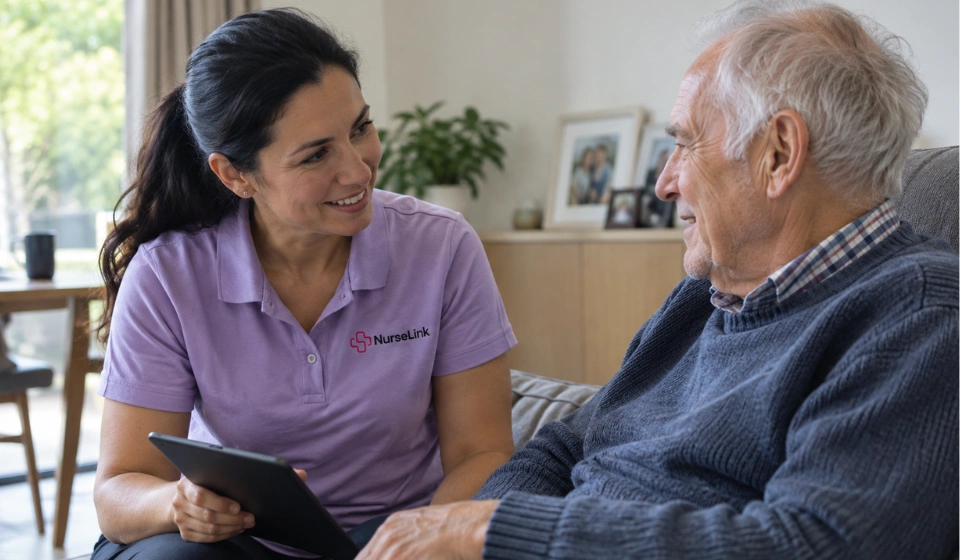
Motor Neurone Disease (MND) is a progressive neurological condition that affects the motor neurones responsible for controlling voluntary muscle movement. These specialised nerve cells carry messages from the brain and spinal cord to the muscles, allowing us to walk, speak, swallow and perform everyday activities. When motor neurones become damaged, muscles gradually become weaker and movement can become more difficult. The symptoms and rate of progression can vary considerably from one person to another. This article explains what MND is, how it affects the body, the common symptoms and possible causes, how it is diagnosed, and the treatment and support available. What Is Motor Neurone Disease & How Does It Affect The Body? Motor Neurone Disease is a group of neurological disorders that progressively damage motor neurones in the brain and spinal cord. Normally, these nerve cells send signals to muscles, telling them when and how to move. When the motor neurones stop working properly, muscles receive fewer signals and gradually become weaker. MND primarily affects voluntary movement, rather than the muscles themselves being the initial problem. As the condition progresses, weakness can affect different parts of the body. Some people may first notice problems with their hands or legs, while others may initially experience changes in speech or swallowing. Eventually, MND can affect mobility, communication, eating and breathing. However, the pattern of symptoms and progression is different for everyone, so a person’s experience cannot always be predicted. How Does MND Affect Everyday Activities? Muscle weakness can make everyday tasks increasingly challenging. A person may find it harder to walk safely, climb stairs, dress themselves, write, prepare food, open containers or use household items. Activities that previously required little thought may begin to take more time or require assistance. As needs change, appropriate support can help a person remain as independent as possible. Occupational therapists may recommend equipment or modifications, while carers and support workers can assist with personal care and daily routines. Maintaining choice, dignity and quality of life remains an important part of care. Common Signs & Symptoms Of Motor Neurone Disease The symptoms of motor neurone disease can develop gradually and may initially resemble those of other neurological or muscular conditions. Early symptoms often depend on which motor neurones are affected first. Muscle weakness is common, but it may appear in different areas of the body and progress at different rates. Other symptoms may include muscle stiffness, cramps and involuntary twitching. Some people develop difficulties with speech or swallowing when the muscles involved in these functions become affected. In more advanced disease, weakness of the muscles involved in breathing can lead to respiratory difficulties. A proportion of people may also experience changes in thinking, behaviour or personality. Early Signs To Look Out For Potential early signs include: Increasing weakness in the hands, arms or legs Tripping, stumbling or noticeable changes in walking Muscle twitching, cramps or stiffness Difficulty gripping objects or completing familiar tasks Changes in speech, including slurring or speaking more quietly Difficulty swallowing food, drinks or saliva Symptoms that gradually worsen and begin interfering with everyday activities Having one or more of these symptoms does not mean that a person has MND. Many other conditions can produce similar symptoms, which is why persistent or unexplained changes should be assessed by a healthcare professional. What Causes Motor Neurone Disease & Who Can Be Affected? The Causes of motor neurone disease are not fully understood. Researchers believe that several biological processes may contribute to motor neurone damage, and ongoing research is examining genetic, environmental and cellular factors. There is currently no single explanation that accounts for every case. Most cases are described as sporadic MND, meaning there is no known family history of the condition. A smaller proportion is familial MND, where the condition occurs in more than one family member and may be associated with an inherited genetic change. Identifying a genetic cause can sometimes be important for affected families and may be discussed as part of specialist care. MND can affect adults at different stages of life, although it is more commonly diagnosed later in adulthood. It can occur in people with or without a family history. Having a potential risk factor does not mean a person will necessarily develop the condition, and many people diagnosed with MND have no obvious identifiable risk factor. How Is Motor Neurone Disease Diagnosed? There is no single test that confirms every case of MND. Diagnosis usually involves a detailed assessment of symptoms, medical history and neurological function, followed by investigations designed to support the diagnosis and exclude other conditions that can cause similar problems. Because early symptoms can overlap with other neurological or muscular disorders, reaching a diagnosis may take time. Assessment by a neurologist or specialist team is important, particularly when symptoms are progressive or unexplained. Depending on the individual situation, investigations may include: Neurological examination: Doctors assess muscle strength, reflexes, coordination and movement. Electromyography (EMG): This test assesses the electrical activity of muscles and can provide information about how motor neurones are functioning. Nerve conduction studies: These evaluate how electrical signals travel along nerves and can help distinguish MND from other conditions. Blood tests: These may be used to investigate other medical conditions that could explain similar symptoms. MRI or other imaging: Brain or spinal imaging can help rule out structural problems and other possible causes of symptoms. A diagnosis is generally based on the overall clinical picture rather than one test result. Additional assessments may also be required as symptoms develop. Treatment, Management & Support There is currently no cure for MND, but treatment and supportive care can help manage symptoms, address complications and maintain quality of life. The approach is tailored to the individual’s symptoms, preferences and changing needs. Some medicines may help slow disease progression in certain circumstances, while others can be used to manage specific symptoms. Because MND can affect several aspects of physical function, care often involves multiple healthcare professionals working together. Management may include: Medication: Medicines may be considered
What’s The Difference Between Alzheimer’s & Dementia
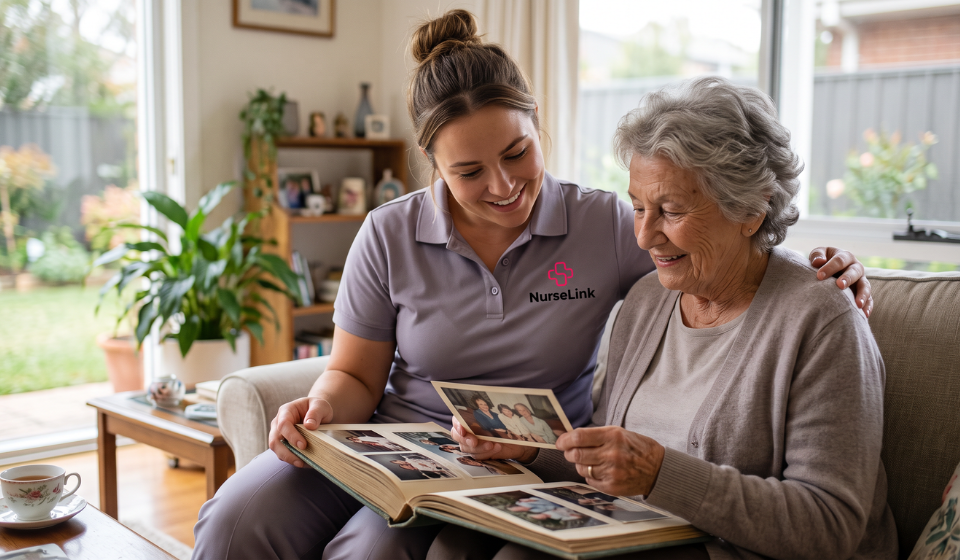
Dementia and Alzheimer’s disease are often used interchangeably, but they do not mean the same thing. Dementia is a broad term for a decline in cognitive abilities that affects everyday life, while Alzheimer’s disease is a specific progressive brain disorder and the most common cause of dementia. Understanding what’s the difference between Alzheimer’s and dementia can help individuals and families make sense of symptoms, diagnosis and care. This article explains what dementia means, what Alzheimer’s disease is, how they differ, the symptoms to watch for, and how both may be diagnosed and managed. What Is Dementia? Dementia is an umbrella term describing a decline in cognitive function that is significant enough to interfere with daily life. It can affect memory, thinking, communication, concentration, reasoning and decision-making. A person may find previously familiar activities more difficult, such as preparing meals, managing finances, taking medication or navigating familiar places. Dementia is not one specific disease. There are different conditions and diseases that can cause dementia, and each can affect the brain in different ways. Some people may first experience memory problems, while others may notice changes in language, behaviour, planning, movement or problem-solving. Common Types Of Dementia Vascular dementia: This can occur when blood vessels supplying the brain are damaged or blood flow is reduced. It may follow a stroke or develop due to ongoing blood vessel disease. Difficulties with planning, attention and reasoning may be prominent. Lewy body dementia: This condition is associated with abnormal protein deposits in the brain. Symptoms can include fluctuations in attention, visual hallucinations, movement difficulties and sleep problems, alongside cognitive changes. Frontotemporal dementia: This group of disorders affects areas of the brain involved in behaviour, personality and language. Changes in behaviour, social responses or communication may occur early. Alzheimer’s disease is another major cause of dementia, but it has its own underlying disease process. What Is Alzheimer’s Disease? Alzheimer’s disease is a progressive neurological disorder that causes changes in the brain over time. It gradually affects nerve cells and their connections, leading to increasing difficulties with memory, thinking, language and other cognitive abilities. As the condition progresses, everyday activities can become harder and greater assistance may be needed. Alzheimer’s is the most common cause of dementia, but the terms are not interchangeable. Alzheimer’s is one specific disease that can cause dementia, while dementia can result from several other conditions. It is generally progressive, meaning symptoms become more noticeable over time. Early difficulties often involve short-term memory and retaining new information. Reasoning, communication, concentration and judgement may become affected. Mood, personality or behaviour can change as the disease progresses. A person may gradually need more help with everyday activities. Alzheimer’s Vs. Dementia: What’s The Difference? The simplest way to explain the dementia alzheimer disease difference is that dementia is a broad description of cognitive decline, while Alzheimer’s disease is a specific condition that can cause it. Dementia describes a collection of symptoms and changes in functioning; Alzheimer’s identifies one underlying disease. Think of dementia as a category containing several conditions. Alzheimer’s disease is one of those conditions, alongside vascular dementia, Lewy body dementia and frontotemporal dementia. This means someone can have dementia without having Alzheimer’s disease. The key differences are: Meaning: Dementia describes cognitive decline affecting daily life; Alzheimer’s is a specific brain disease. Causes: Dementia has multiple possible causes, whereas Alzheimer’s has its own disease-related processes. Symptoms: There is overlap, but the pattern depends on the underlying condition. Progression: Many forms can progress over time, but their rate and pattern can differ. Diagnosis: Healthcare professionals investigate the likely underlying cause rather than assuming all dementia is Alzheimer’s. Symptoms Of Alzheimer’s & Dementia Symptoms can overlap because Alzheimer’s disease is itself a cause of dementia. However, the symptoms experienced and the order in which they appear can vary according to the underlying condition. Common dementia symptoms include memory difficulties, trouble finding words, reduced concentration, impaired judgement and problems solving familiar tasks. A person may become confused about dates or places, struggle with routine activities, or experience changes in mood, personality or behaviour. Alzheimer’s disease symptoms often begin with difficulty remembering recently learned information. As the condition progresses, problems with language, reasoning, orientation, judgement and everyday functioning may become more noticeable. Occasional forgetfulness does not automatically indicate dementia. More concerning changes are persistent, worsening difficulties that interfere with independence, safety or normal activities. Early Signs To Look Out For Increasing forgetfulness: Frequently forgetting recent conversations, appointments or important information. Difficulty finding words or following conversations: Regularly losing track of discussions or struggling to express thoughts. Trouble managing familiar tasks: Finding activities such as cooking, shopping or managing money increasingly difficult. Getting confused about time or place: Becoming unsure about dates, seasons or familiar locations. Changes in judgement, mood or behaviour: Noticeable changes in decision-making, personality or emotional responses. These signs can have other explanations, so they should not be treated as a diagnosis. A healthcare professional can help determine what may be causing the changes. How Are Alzheimer’s & Dementia Diagnosed & Managed? Diagnosis involves understanding the person’s symptoms, medical history and changes in everyday functioning, while investigating possible causes. A healthcare professional may ask when symptoms began, how they have progressed and how they affect daily activities. Assessment may include cognitive testing of memory, attention, language and reasoning, along with physical and neurological examinations. Blood tests may identify other medical conditions that can contribute to cognitive difficulties. Brain imaging, such as CT or MRI, may also be recommended when appropriate. There is no single test that diagnoses every type of dementia. Instead, professionals combine information from different assessments to build a clearer picture and identify the likely underlying condition. Management depends on the diagnosis and individual needs. It may include medication where appropriate, treatment of other health conditions, physical activity, healthy lifestyle habits and strategies that support cognitive and functional abilities. Care planning becomes increasingly important when daily activities become difficult. Families may need to consider assistance with personal care, medication, transport, routines and other practical
Preparing Your Homecare Client’s Home For Summers
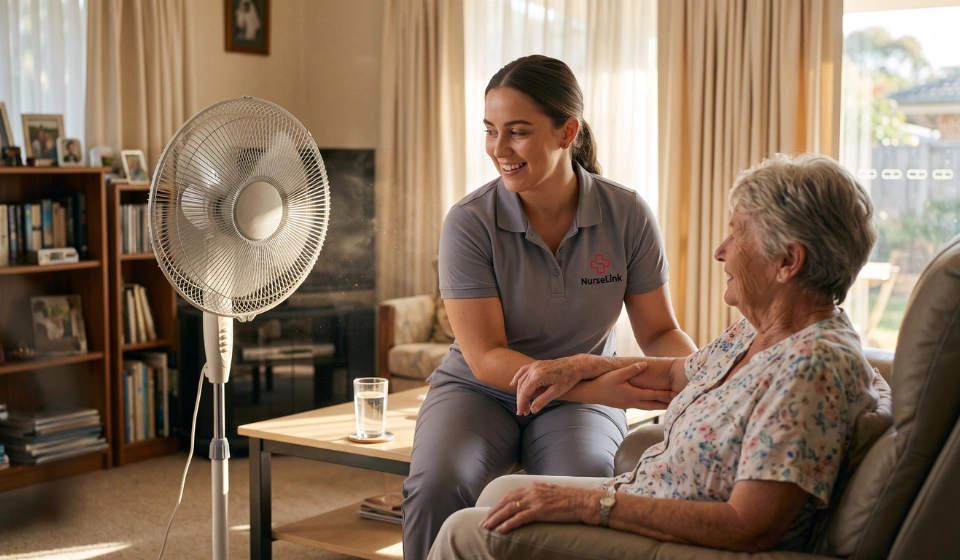
Summer can create additional challenges for homecare clients, particularly older adults, people with chronic health conditions, reduced mobility or difficulty recognising signs of heat stress. Hot indoor environments, dehydration and prolonged exposure to high temperatures can increase the risk of heat-related illness. Preparing the home before summer arrives can help carers and families maintain a safer, cooler and more comfortable environment. This involves assessing individual heat risks, improving ventilation and temperature control, encouraging appropriate hydration, reviewing medication and skin care, protecting against sun exposure, and preparing for heatwaves or power outages. With practical planning and regular monitoring, carers can reduce preventable risks and provide more responsive support throughout the warmer months. Assessing Heat Risks For Elderly & Vulnerable Clients Older adults may be more vulnerable to high temperatures because the body’s ability to regulate temperature can become less effective with age. Changes in sweating, circulation and thirst can make it harder to recognise or respond to heat. Reduced mobility may also make it difficult to move to a cooler room, access water or adjust cooling equipment. An individual risk assessment should be completed for each client. Consider their health conditions, mobility, cognitive abilities, medications, living arrangements and access to cooling. The home should also be assessed for rooms that become particularly warm, direct sunlight and potential barriers to accessing essential items. Identifying these risks early allows carers to make practical changes before extreme temperatures occur. Health Conditions & Medications That Increase Heat Sensitivity Certain conditions can increase sensitivity to heat. Cardiovascular disease may place additional strain on the body during hot weather, while diabetes can increase concerns around hydration. People living with dementia may forget to drink or may not recognise that they are becoming overheated. Mobility issues can further increase risk because a person may not be able to relocate easily when a room becomes too warm. Some medications can also affect fluid balance, sweating or temperature regulation. Diuretics and some antihistamines are examples that may require consideration during hot weather. Carers should never change or stop medication independently. A GP or pharmacist can provide individual advice about heat sensitivity and medication management. Cooling The Home: Ventilation, Shade, & Temperature Control A cool home is one of the most important protections against heat-related illness. Air conditioning and fans should be checked and serviced before summer so that problems can be addressed before a heatwave. Curtains, blinds and external shading can reduce the amount of heat entering rooms, particularly where windows receive strong afternoon sunlight. Natural ventilation can also be useful when outdoor conditions are cooler. Opening appropriate windows during the early morning or evening can encourage cross-ventilation, while windows and curtains can be managed during the hottest parts of the day to reduce heat entering the home. Service air conditioning and check fans before summer begins. Use curtains, blinds, awnings or external shading to reduce direct sunlight. Open suitable windows during cooler periods for better cross-ventilation. Identify the coolest room as a comfortable “safe zone” for hot periods. Keep water, seating and frequently used items within easy reach. For clients with limited mobility, the safest setup should minimise unnecessary movement during the hottest part of the day. Fans should also be positioned securely, with electrical cords kept away from walking paths to reduce trip hazards. Hydration & Nutrition Adjustments For Warmer Months Hydration should be planned rather than relying entirely on thirst. Older adults may not always feel thirsty even when they need fluids, so carers can encourage regular drinks throughout the day according to the person’s care plan and medical advice. Keeping water within easy reach is particularly important for clients who have difficulty moving independently. Food choices can also be adapted during warmer weather. Water-rich foods such as fruit and vegetables can contribute to fluid intake, while lighter meals may be more comfortable than large, heavy meals. However, nutrition should always reflect the client’s individual dietary requirements, preferences and existing health conditions. Fluid Restrictions & Electrolyte Considerations Some clients may have fluid restrictions because of conditions affecting the heart, kidneys or other aspects of their health. These clients should not simply be encouraged to increase their fluid intake because temperatures are rising. Families and carers should speak with the client’s GP or healthcare team about appropriate fluid levels. Electrolyte drinks should also be used carefully because some contain high levels of sugar or sodium and may not suit everyone. Signs of dehydration can include dry mouth, darker urine, tiredness, dizziness, weakness, reduced urination and confusion. A significant change in alertness or behaviour should be taken seriously and discussed with an appropriate healthcare professional. Safety Checks: Medications, Skin Care, & Sun Exposure Medication storage is an important part of summer preparation. Some medicines can be affected by excessive heat and may have specific storage requirements. They should be kept according to the manufacturer’s or healthcare professional’s instructions and should not be left in hot areas such as cars, windowsills or poorly ventilated rooms. If carers or families are unsure about storage requirements, they should speak with a pharmacist or GP. This is also an opportunity to discuss whether any of the client’s medicines could increase sensitivity to heat. Medication should never be stopped or changed without professional advice. Sun Protection & Skin Checks Sun protection remains important even when a client spends most of their time at home. Sunscreen, broad-brimmed hats and lightweight clothing can help reduce sun exposure when outdoors. Where possible, outdoor activities should be planned for cooler parts of the day. Regular skin checks are particularly valuable for people with reduced mobility or those who spend long periods sitting or lying down. Carers should watch for heat rash, sunburn, redness, irritation and pressure-related changes. Existing skin care and repositioning routines should continue according to the client’s care plan. These simple summer safety tips for seniors can help support comfort while reducing avoidable skin and heat-related problems. Emergency Preparedness For Heatwaves & Power Outages A heatwave action plan gives carers and families a clear response
Best Exercises For Seniors With Arthritis To Do At Home
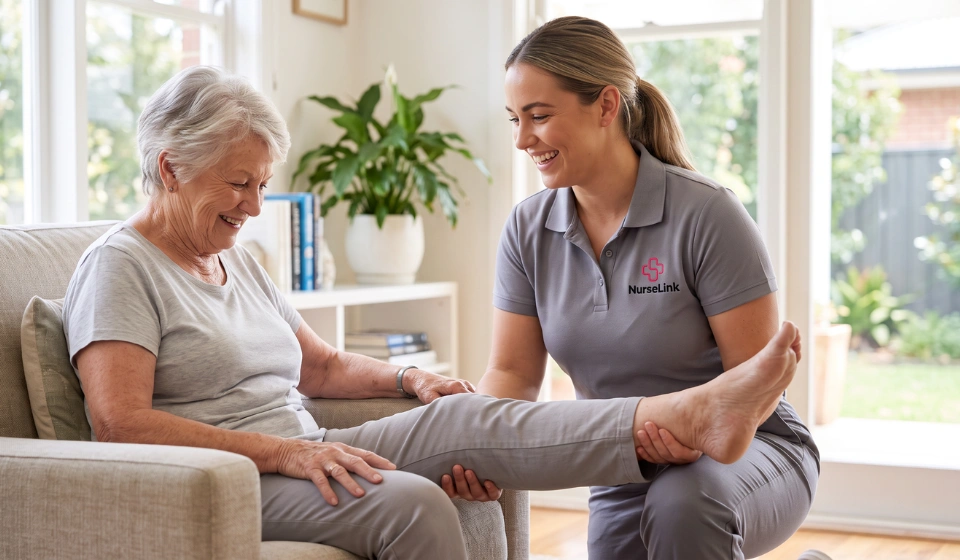
Many seniors with arthritis worry that exercise will make their joint pain worse. It is an understandable concern, particularly when movement already feels stiff or uncomfortable, but avoiding activity altogether can often make stiffness, weakness and reduced mobility more difficult to manage. When chosen carefully, regular low-impact movement can support joint function, maintain muscle strength and make everyday activities easier. The key is not to push through significant pain, but to choose controlled movements that match a person’s abilities and health needs. This guide explains why exercise can benefit people with arthritis and provides practical exercises that can be performed at home to support strength, flexibility, balance, mobility and joint function. Why Exercise Helps (Not Hurts) Arthritis Movement can help joints stay mobile and reduce the stiffness that often develops after sitting or resting for extended periods. Gentle activity encourages the movement of synovial fluid around joints, helping them move more comfortably. Regular exercise can also support flexibility and make everyday movements such as standing, walking, reaching and getting dressed easier. Strengthening the muscles surrounding an affected joint can provide additional support and reduce some of the load placed directly on the joint. Exercise can also improve balance and coordination, which may reduce the risk of falls. However, exercise should be appropriate for the individual. Anyone starting a new routine, particularly someone with significant arthritis, other health conditions or an active flare-up, should consider speaking with a GP or physiotherapist first. Lower Body Exercises To Build Strength & Stability Lower body strength is closely linked to mobility and independence. Stronger legs and hips can make everyday tasks such as standing from a chair, climbing steps and walking around the home easier and more stable. Chair Sit-To-Stands Chair sit-to-stands are a practical exercise for strengthening the muscles needed for everyday movement. They primarily work the quadriceps and glutes while also encouraging balance and coordination. Start with a sturdy chair placed against a wall or another stable surface. Sit towards the front of the chair with both feet flat on the floor. Lean slightly forward and push through your feet to stand up slowly. Pause briefly, then lower yourself back into the chair with control rather than dropping down. Start with 5 to 8 repetitions and gradually work towards 2 sets if comfortable. The movement should remain controlled. If standing without assistance is difficult, use the chair arms or have appropriate support nearby. Seated Leg Extensions Seated leg extensions are particularly useful for building strength around the knees without requiring the person to stand. Sit upright in a sturdy chair with both feet on the floor. Slowly extend one leg until the knee is comfortably straight, pause for a moment and then lower it back down. Alternate between legs and perform around 8 to 10 repetitions on each side. This exercise targets the quadriceps and can contribute to better knee stability during everyday activities. Avoid forcing the knee into a painful position, and reduce the range of movement if necessary. Ankle Circles Ankle circles are simple movements that can be performed while sitting. Lift one foot slightly from the floor and slowly rotate the ankle in a circular motion. Complete several circles in one direction before changing direction, then repeat with the other foot. This exercise helps maintain ankle flexibility and encourages regular movement after periods of sitting. It can also be incorporated into daily routines, such as while watching television or taking a rest break between other activities. Heel Raises Heel raises can help strengthen the calf muscles while also supporting balance. Stand behind a sturdy chair and hold it for support. Slowly raise both heels from the floor, rising onto the balls of the feet, then lower them gradually. Start with 8 to 10 repetitions and increase gradually as strength improves. The movement should be slow and controlled. If standing exercises are not suitable, a similar movement can be performed while seated by lifting the heels from the floor. Seated Marching Seated marching is a gentle way to work the hips and encourage core engagement without putting significant pressure on the lower body. Sit upright in a sturdy chair with your feet flat on the floor. Lift one knee towards the chest as far as comfortable, lower it and then repeat with the opposite leg. Continue alternating legs for approximately 30 seconds to one minute. Keep the upper body upright and avoid leaning excessively from side to side. This movement can be useful as a gentle warm-up before other exercises. Upper Body Exercises For Everyday Movement Upper body strength and mobility support many everyday tasks, including reaching for items, carrying light objects, dressing and maintaining good posture. Gentle strengthening and mobility exercises can help seniors remain more comfortable and capable during these activities. Wall Push-Ups Wall push-ups offer a lower-impact alternative to traditional floor push-ups and can strengthen the chest, shoulders and arms without placing as much pressure on the wrists. Stand facing a clear wall with your feet a comfortable distance away. Place your palms against the wall at approximately shoulder height. Slowly bend your elbows and lean your body towards the wall, keeping your back relatively straight. Push gently away from the wall to return to the starting position. Begin with 5 to 10 repetitions and increase gradually. Make sure the floor is clear and stable before starting. Anyone experiencing shoulder or wrist pain should stop and seek professional advice about suitable modifications. Shoulder Rolls Shoulder rolls are a simple mobility exercise that can help release tension and encourage comfortable shoulder movement. Sit or stand upright with your arms relaxed. Slowly move your shoulders upwards, gently roll them backwards and then lower them. Repeat several times before changing direction. Keep the movement smooth rather than forcing the shoulders through a large range. Shoulder rolls can be particularly useful after prolonged sitting and may be included as a short movement break throughout the day. Stretching & Flexibility For Joint Relief Flexibility exercises can help reduce the feeling of
Home Care Package Level 1: Funding, Value, Eligibility & Services
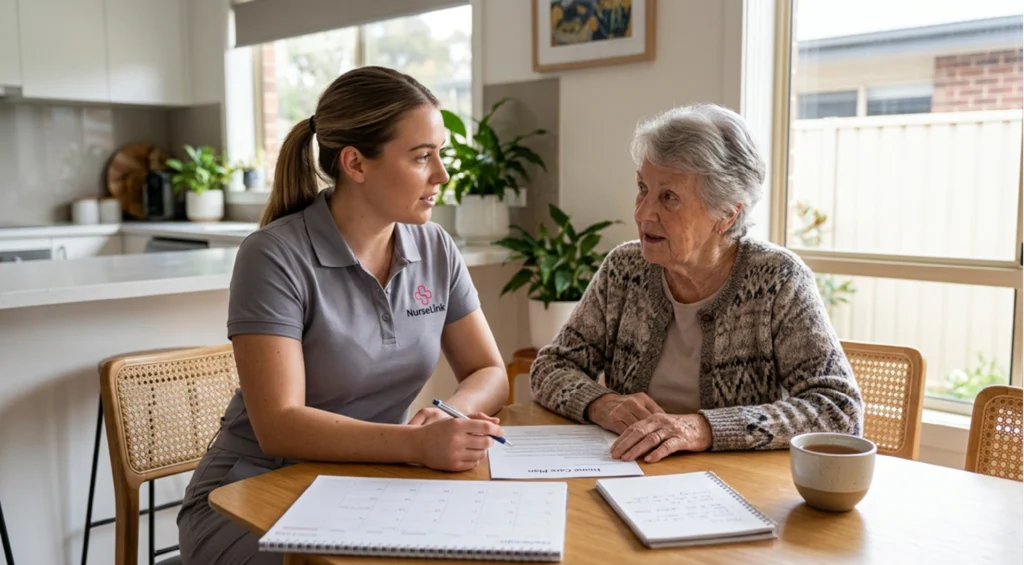
Home Care Packages are a form of government funded support designed to help older Australians continue living safely and independently in their own homes. They provide a structured way to access services like personal care, domestic assistance, and social support, tailored to individual needs. Level 1 sits at the entry point of this system, designed specifically for those with more basic care requirements. In this blog, we will walk through how Home Care Package Level 1 funding works, what value it offers, who is eligible, what services are included, and how to access this support. What Is A Home Care Package Level 1? A Home Care Package Level 1 is the first and most basic tier of the four Home Care Package levels available through the Australian Government’s aged care system. It is designed to provide entry level support for older Australians who are largely independent but need a small amount of ongoing assistance to remain safely and comfortably at home. Rather than covering intensive daily care, Level 1 focuses on light touch support that helps fill small gaps in a person’s routine, whether that is help around the house or occasional assistance with errands and appointments. Within the broader system, Home Care Packages range from Level 1 through to Level 4, with funding and support increasing at each level to reflect higher care needs. Level 1 sits at the foundation of this structure, making it the starting point for many older Australians who are just beginning to require formal support. Who Is Home Care Package Level 1 Best Suited For? Level 1 is generally best suited to individuals who are still managing most day to day tasks independently but could benefit from a small amount of regular help. This might include someone who needs occasional assistance with housework, a person who wants support attending medical appointments, or someone who simply wants a bit of extra help maintaining their home and social connections. It is often a good starting point for people who are noticing early signs that daily tasks are becoming a little more difficult to manage alone. How Much Funding Does Home Care Package Level 1 Funding Provide? Home care package level 1 funding is provided annually by the Australian Government and is designed to cover a modest level of support. Because funding amounts are reviewed and adjusted periodically by the government, it is best to check the current figures directly through My Aged Care or a registered provider rather than relying on a fixed number, as the level 1 home care package value can change over time. This funding is not simply handed over as cash. Instead, it is managed either by an approved provider or, in some cases, through a self-management model, and is used to pay for approved care services. A portion of the package may also go toward care management, which covers coordination and oversight of the plan, as well as package management, which covers the administrative side of running the package. Some participants may also be asked to make a personal contribution toward their care, depending on their financial circumstances, though this varies from person to person. How Is The Funding Used? The funding within a Level 1 package can be used for a range of approved purposes. This typically includes care services such as personal care or domestic help, as well as necessary equipment or minor home modifications that support safety and independence. It can also cover other approved package expenses, such as care coordination or allied health support, provided these align with the individual’s approved care plan. Who Is Eligible For Home Care Package Level 1? Eligibility for a my aged care level 1 package is determined through an assessment process managed by My Aged Care, the Australian Government’s central access point for aged care services. Generally, eligibility depends on age, care needs, and whether a person requires a low level of ongoing support to remain safely at home. This assessment looks closely at how a person is currently managing daily tasks and identifies where additional support could make a meaningful difference. The assessment process itself involves a trained assessor visiting or speaking with the individual to understand their current situation, health, and any challenges they may be facing at home. This ensures that the level of package recommended genuinely reflects the person’s needs, rather than applying a one size fits all approach. How To Apply For A Level 1 Package The process generally begins with registering through My Aged Care, either online or over the phone. From there, an aged care assessment is arranged, during which an assessor will discuss the person’s needs, living situation, and any support already in place. Once the assessment is complete and a Level 1 package is approved, the individual can then choose a registered provider to begin receiving services, working with that provider to set up a care plan suited to their goals. What Services Are Included In A Home Care Package Level 1? One of the strengths of the Home Care Package system is that services are tailored around each person’s individual goals and needs, rather than following a fixed checklist. That said, there are some common categories of support that most Level 1 packages tend to include. Personal Care Services This can include assistance with showering, dressing, and general grooming, helping individuals maintain their personal hygiene and dignity while living independently at home. Domestic Assistance Support with everyday household tasks such as cleaning, laundry, and meal preparation is a common inclusion, helping to reduce the physical demands of maintaining a home. Social Support & Community Participation Many Level 1 packages also include support to stay socially connected, such as help with shopping, transport to appointments or social outings, and general assistance getting out into the community. Basic Nursing & Allied Health Support Depending on individual needs, a Level 1 package may also include basic health monitoring or access to allied health services, such as physiotherapy, where this supports the person’s overall
Tips For Staying Active During Winter For Seniors
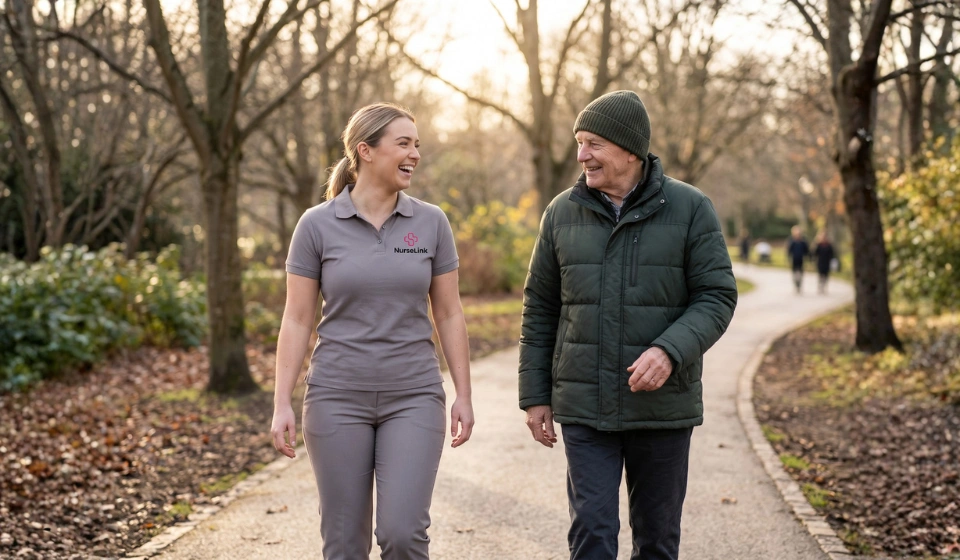
Staying active matters all year round, but it becomes especially important for older adults once the temperature drops. Regular movement supports physical health, keeps the mind sharp, and helps preserve the independence that so many seniors value. The challenge is that colder, darker days make it tempting to stay indoors and slow down, which can quietly chip away at strength, balance, and mood over a season. This guide takes a practical look at the obstacles winter brings and offers simple, safe ways to keep moving, whether you prefer the comfort of home or a brisk walk in the fresh air. Common Challenges Seniors Face During Colder Months Winter introduces a few genuine hurdles to staying active. Recognising them early makes it far easier to plan around them rather than give up movement altogether. Reduced Mobility Due To Cold Weather Cold weather often brings joint stiffness and muscle discomfort, which can make even familiar movements feel harder. That discomfort, combined with the cosiness of a warm home, tends to increase reluctance to head outside. The result is less activity at exactly the time the body benefits most from gentle, regular movement. Shorter Days & Less Sunlight Fewer daylight hours can lower energy levels and disrupt established routines. Less sunlight also affects mood and motivation, making it harder to feel enthusiastic about exercise. When the days feel short and grey, even people who normally stay active may find their usual habits slipping. Higher Risk Of Slips & Falls Wet, frosty, or slippery surfaces outdoors raise the risk of slips and falls, which is a serious concern for older adults. This makes choosing safe environments for activity especially important. Sometimes the wisest choice is to move indoors rather than risk an uneven, rain-slicked footpath. Seasonal Illnesses & Isolation More time spent indoors during winter can mean reduced social interaction and less physical movement overall. Seasonal illnesses add to the tendency to withdraw, and the combination of isolation and inactivity can affect both physical and emotional wellbeing if left unchecked. Safe & Simple Indoor Exercises To Stay Moving When the weather keeps you inside, there are plenty of ways to stay active without leaving the house. These indoor exercises for seniors are gentle, adaptable, and easy to fit into a daily routine. Chair-Based Exercises Seated movements are a wonderful starting point, particularly on stiff or low-energy days. Gentle stretches, ankle rolls, and seated arm raises improve flexibility and circulation while offering the security of a stable chair. They suit almost every ability level and can be done while watching television. Strength & Balance Activities Light bodyweight exercises or resistance training with small weights or bands help maintain muscle health and steadiness on your feet. Simple sit-to-stand movements or wall push-ups build the strength that supports everyday tasks and reduces the likelihood of falls. Walking Indoors Walking does not have to stop in winter. Strolling around the home, a local shopping centre, or a community facility keeps you moving in a warm, even environment. Indoor walking is one of the most accessible forms of home fitness for seniors and requires no special equipment. Low-Impact Fitness Options Yoga, tai chi, and guided online exercise sessions designed for older adults offer gentle, structured movement that improves balance and calm. Many of these can be followed from a screen at home, making them ideal for fun winter activities for seniors who prefer variety. Daily Functional Movements Everyday tasks count too. Light household chores, watering plants, or simply standing and stretching during ad breaks all reduce sedentary time. Building regular movement breaks into the day keeps the body active without it ever feeling like a workout. Ways To Stay Active Outdoors In Winter Fresh air still has plenty to offer in the cooler months, provided you take a few sensible precautions. With the right approach, outdoor winter activities for older adults remain both safe and enjoyable. Choose The Right Time Of Day Aim to exercise during the warmer daylight hours, usually late morning to early afternoon, when conditions are milder and visibility is better. Avoiding early mornings and evenings reduces exposure to the coldest, most slippery parts of the day. Dress For The Weather Layering clothing helps you stay warm and lets you adjust as you move. Supportive, non-slip footwear is essential for stability on damp or uneven ground. A hat, gloves, and a waterproof outer layer make a noticeable difference to comfort and safety. Enjoy Gentle Outdoor Activities A walk through a local park or garden, light gardening, or some gentle stretching in the fresh air all provide movement and a welcome mental lift. These calm, low-pressure winter activities for the elderly combine exercise with the proven benefits of being outdoors. Exercise With Others Company adds motivation and safety. Joining a walking group or staying active alongside family and friends turns exercise into something to look forward to, and having a companion nearby offers reassurance if conditions become tricky. Tips For Maintaining Motivation & Consistency Knowing what to do is one thing, but staying consistent through a long winter is another. A few simple strategies make it far easier to keep the habit alive. Set Realistic Goals Focus on achievable daily or weekly targets rather than ambitious plans that are hard to sustain. A short walk each day or a few stretching sessions a week is far more valuable than an occasional burst followed by weeks of rest. Create A Routine Scheduling movement into specific times of the day helps it become second nature. When activity has a regular place in your routine, it stops feeling optional and starts feeling like part of normal life. Track Your Progress A simple journal or activity tracker can keep you accountable and show how far you have come. Seeing steady progress, even in small steps, is a genuine source of encouragement on the days motivation runs low. Make Exercise Enjoyable Choose activities that genuinely interest you, whether that is dancing in the lounge room, gardening, or a favourite online class.
The Importance Of Emotional Support For Seniors
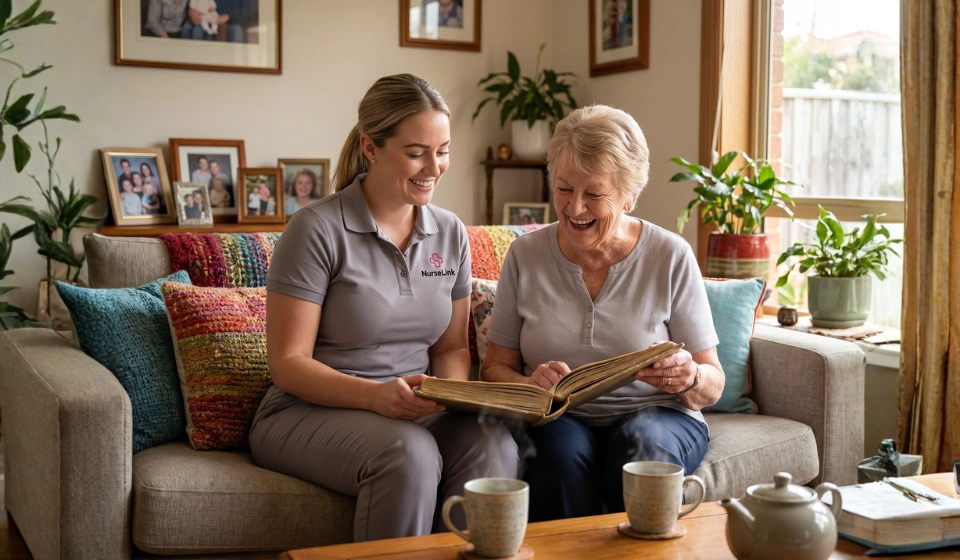
When we talk about caring for older adults, the conversation usually turns to the physical side of things first. Medications, mobility, nutrition and medical appointments tend to dominate, and understandably so. Yet emotional wellbeing deserves just as much attention, because it shapes how a person experiences every other part of their life. Ageing brings significant emotional and social changes, from retirement and shifting family roles to the loss of loved ones and adjustments in independence. Emotional support is just as important as physical care in maintaining quality of life, and recognising this early makes a genuine difference. In this article, we look at why emotional support matters for seniors, the common challenges older adults face, how emotional neglect affects health, and the practical ways families, carers and professional services can help. Why Emotional Support Matters For Seniors The meaning of emotional support is often reduced to simply keeping someone company, but for older adults it runs much deeper than that. It is about feeling heard, valued and understood. It involves empathy, encouragement, reassurance during periods of change, and the comfort of knowing that someone genuinely cares. For a senior adjusting to a new stage of life, that sense of being emotionally anchored can be just as stabilising as any medical treatment. Emotional wellbeing also contributes directly to overall health and independence. Seniors who feel connected and supported are more likely to stay physically active, eat regular meals, follow their health plans and remain engaged with the world around them. Strong emotional support reduces loneliness, builds confidence and lifts day to day quality of life in ways that are easy to observe once you know what to look for. Maintaining meaningful relationships and a sense of purpose, whether through family, friendships, volunteering or hobbies, gives older adults a reason to look forward to each day, and that motivation flows into every other area of their health. Common Emotional Challenges Faced By Older Adults Understanding the importance of emotional support starts with recognising the challenges that tend to surface in later life. Two patterns appear more often than any others. Loneliness & Social Isolation Retirement removes much of the daily social contact that work once provided, and over time the loss of a partner, siblings or close friends can shrink a person’s social circle even further. Limited mobility or difficulty with transport then makes it harder to participate in community life, so isolation often builds quietly rather than arriving all at once. Many seniors do not mention it, either because they do not want to burden family or because they see it as something they simply have to accept. Anxiety, Depression, & Life Changes Coping with declining health or chronic conditions can create ongoing worry, and adjusting to changes in independence and daily routines is genuinely difficult for people who have managed their own lives for decades. Grief, uncertainty about the future and general emotional stress can accumulate, and these feelings are too often dismissed as a normal part of ageing when they actually deserve real attention and care. The Impact Of Emotional Neglect On Physical & Mental Health Emotional and physical health are far more closely linked than many people realise. When emotional needs go unmet for long periods, the body responds. Prolonged loneliness and stress are associated with elevated stress hormones, poor sleep, higher blood pressure and a weakened immune response. Research has repeatedly connected chronic social isolation with increased risks of heart disease, cognitive decline and depression in older adults, which is a sobering reminder that emotional neglect is never just an emotional problem. The behavioural effects are equally significant. A senior who feels forgotten or unheard may lose motivation to prepare proper meals, skip medical appointments, withdraw from activities they once enjoyed or stop reaching out to others altogether. Each of these small withdrawals compounds the next, and over time this pattern can erode both independence and quality of life. This is exactly why the benefits of emotional support are so far reaching. Consistent, genuine emotional connection can interrupt that downward cycle, restore motivation and help older adults re-engage with their own health and their community. How Family, Carers, & Support Workers Can Provide Emotional Support The encouraging news is that emotional support rarely requires grand gestures. There are many types of emotional support, from companionship and active listening through to practical encouragement, and most of them begin with small, consistent actions. Building Meaningful Connections Spending regular quality time together matters more than the length of any single visit, because consistency is what builds trust and something to look forward to. Encourage genuine conversations and practise active listening, which means giving full attention rather than rushing to fix or advise. Supporting hobbies, interests and social activities, whether that is gardening, a book club, a weekly phone call with an old friend or a community group, helps seniors maintain identity and connection beyond their immediate household. Promoting Independence & Confidence Involving seniors in decisions about their own care sends a powerful message that their voice still matters, and it is one of the most respectful forms of support there is. Encourage participation in daily activities wherever possible, even if tasks take longer or need to be adapted, because doing things with someone builds confidence in a way that doing things for them never can. Respecting personal preferences and long held routines, from how someone likes their tea to when they prefer to shower, preserves dignity and reinforces a sense of control. The Role Of Professional Care Services In Emotional Wellbeing Professional home care services play a valuable role in supporting emotional wellbeing alongside physical care, and the best providers treat the two as inseparable. A good support worker is not just there to assist with tasks. They offer companionship, conversation and social engagement, and they encourage clients to stay connected with the people and activities that matter to them. Personalised support means care that reflects the individual, including their history, preferences and personality, rather than a one size
Tips On Talking About Aged Care With Your Parents

Discussing aged care with ageing parents is rarely an easy conversation, yet starting it early can make all the difference for everyone involved. Many families put off this topic until a health crisis forces the issue, which often leads to rushed decisions made under stress. Proactive planning, on the other hand, allows for thoughtful discussions where everyone’s needs and preferences can be considered. Open communication not only reduces stress but also helps families make informed decisions together, with the older person’s wishes at the centre of the conversation. In this guide, we’ll walk through how to recognise when it might be time to talk, how to approach the conversation with care, and practical ways to create a plan that supports everyone’s wellbeing Recognising When It May Be Time To Talk About Aged Care Knowing when to start the conversation isn’t always straightforward, but there are often subtle signs that point towards the need for additional support. Paying attention to these changes early can help families approach the topic before a crisis forces an urgent decision. Noticeable changes in physical health, such as frequent falls, fatigue, or difficulty managing chronic conditions. Changes in mobility or memory that make everyday tasks more challenging than they used to be. Struggling with daily activities like cooking, cleaning, personal care, or managing medications. A growing reliance on family members for tasks that were previously managed independently. Starting the conversation early, rather than waiting for a crisis, allows for more thoughtful and informed choices for everyone involved. How To Approach The Conversation Timing and setting can make a significant difference when broaching a sensitive topic like aged care. Choosing a quiet, comfortable moment, rather than during a stressful event or family gathering, gives everyone space to talk openly without feeling rushed or put on the spot. Coming into the conversation with empathy and patience helps set a respectful tone from the outset. It’s just as important to listen as it is to talk. Many older adults have concerns about losing their independence, and acknowledging these feelings can go a long way towards building trust. Try to avoid pushing for immediate decisions or framing the conversation as something being done to them. Instead, position aged care as a way to support their safety, dignity, and quality of life, while keeping them at the centre of every decision. Choose a calm, private setting and a time when everyone feels relaxed and unhurried. Approach the discussion with empathy, patience, and language that feels respectful rather than clinical. Make space to genuinely listen to your parents’ concerns, preferences, and any worries they may have. Avoid pressuring them into quick decisions or turning the conversation into a confrontation. Frame aged care options as tools that support independence, safety, and overall wellbeing, rather than as a loss of control. Key Topics To Discuss Once the initial conversation is underway, there are several important topics worth exploring together. Discussing current and future care needs helps families understand what kind of support might be required now, and what could become necessary down the track. This naturally leads into conversations about living arrangements, whether that means staying at home with additional support, moving to a retirement village, or considering residential aged care. Medical care preferences, emergency planning, and financial considerations are also essential parts of the discussion. Talking through budgeting for care, along with legal documents such as advance care plans and powers of attorney, ensures everyone is on the same page should circumstances change. Finally, it’s worth discussing family roles and responsibilities early on, so that decision making feels shared rather than falling on one person. Addressing Common Concerns And Emotional Barriers It’s completely natural for these conversations to bring up strong emotions, both for parents and for the family members supporting them. A fear of losing independence or control is often at the heart of resistance, and acknowledging this openly can help ease some of that tension. Fear of losing independence is one of the most common emotional barriers, and validating these feelings rather than dismissing them can help build trust. Resistance to change is normal, and giving parents time to process new information without pressure can make a real difference. Disagreements between siblings or other family members about the best path forward are common, so keeping communication open and respectful between everyone involved is key, and ongoing honest conversations, rather than a single discussion, help build the trust needed for collaborative decision making over time. Creating A Collaborative Plan For Future Care Once the initial conversations have taken place, the next step is turning those discussions into a workable plan. Involving your parents in every stage of this process is important, as it reinforces that their preferences and wishes remain central to any decisions made. Researching available care options together, whether that’s in home support, community services, or residential care, can help everyone feel more informed and prepared. Documenting agreed preferences and next steps gives the family a clear reference point to return to as circumstances evolve. Scheduling regular check ins, even informal ones, allows the family to revisit the plan and make adjustments as needed. Being prepared for changing circumstances, while still respecting your parents’ personal wishes, helps ensure the plan remains flexible and genuinely reflective of what matters most to them. Key Takeaways Starting conversations about aged care early gives families the time and space to plan thoughtfully, rather than reacting under pressure. Approaching these discussions with empathy, patience, and active listening helps everyone feel heard and respected throughout the process. Covering practical topics such as living arrangements, medical preferences, and financial planning, alongside the emotional side of these changes, supports more confident decision making for aging parents and elder care. Ultimately, creating a shared plan that prioritises your parents’ wellbeing, independence, and long term quality of life is one of the most valuable things a family can do together. Latest Post