
7 Habits That Lead To Happiness In Old Age
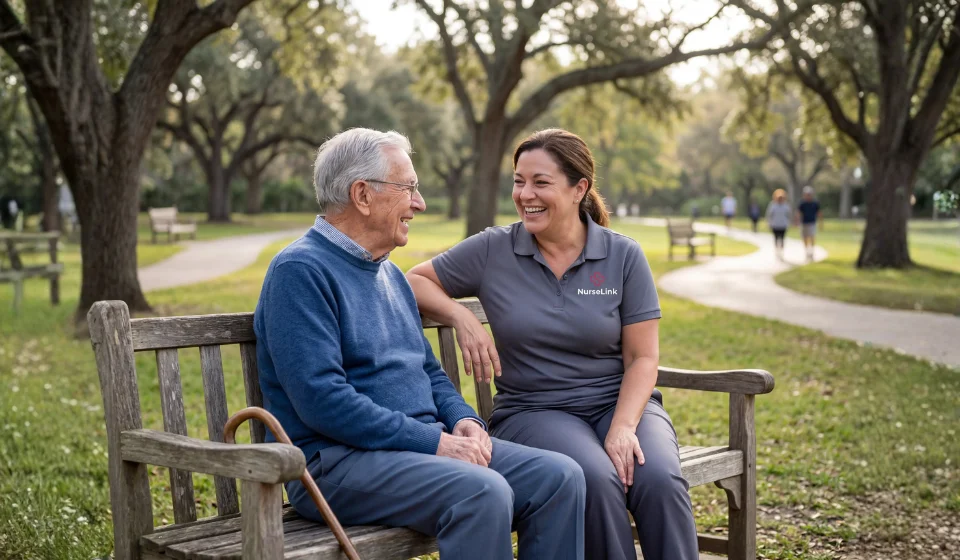
Happiness in old age is rarely the result of luck alone. More often, it grows from the small choices and habits we practise every day. Today, many older Australians are living longer, healthier and more active lives than previous generations, proving that ageing can still be deeply fulfilling and meaningful. Simple routines, strong relationships and a positive mindset can all contribute to emotional and physical wellbeing in later years. This guide is designed for seniors, families and caregivers who want to better understand the everyday habits that support healthy and joyful ageing. Habit 1: Stay Physically Active Every Day Physical activity is one of the most important foundations of healthy ageing. Regular movement supports heart health, mobility, balance and muscle strength, but it also has a powerful effect on emotional wellbeing. Exercise can improve mood, reduce stress and support cognitive function by increasing blood flow to the brain. Many older adults believe exercise needs to be intense or physically demanding to make a difference, but this is not true. Even gentle daily movement can significantly improve energy levels, confidence and independence over time. One of the most effective ways of finding happiness in old age is by staying active in ways that feel enjoyable and sustainable. What Kind Of Exercise Works Best For Seniors Low impact activities are often the safest and most manageable options for older adults. Walking, swimming, tai chi and gentle yoga can improve flexibility, balance and cardiovascular health without placing excessive strain on the body. Strength and balance exercises are equally important because they help reduce the risk of falls and maintain independence. Seniors should aim to create realistic routines that fit comfortably into daily life, even if it starts with short walks or stretching exercises several times a week. Habit 2: Nurture Your Relationships Strong social connections are one of the biggest contributors to happiness and longevity in older adults. Human relationships provide emotional support, companionship and a sense of belonging that becomes increasingly important with age. Studies consistently show that loneliness and social isolation can negatively affect both physical and mental health in seniors. Relationships require ongoing care and attention throughout life. Retirement, mobility limitations or the loss of loved ones can make maintaining social connections more difficult, which is why older adults should actively prioritise meaningful interaction and communication. Simple Ways To Stay Connected Regular phone calls, visits and conversations with family and friends can help seniors feel emotionally supported and valued. Community groups, hobby clubs and volunteering opportunities can also create meaningful social interaction and reduce feelings of isolation. Technology has become a valuable tool for seniors with limited mobility. Video calls, online communities and social media platforms can help older adults stay connected to loved ones and participate in social activities from home. Habit 3: Keep Learning New Things A curious and engaged mind is one of the greatest strengths a person can carry into later life. Lifelong learning keeps the brain active and may help reduce the risk of cognitive decline by strengthening memory, concentration and problem solving skills. Learning also provides a sense of achievement and confidence. Trying something new can create excitement, encourage social interaction and give older adults fresh goals to work towards. Many experts believe that mental stimulation plays an important role in finding meaning and happiness in old age. Ideas To Keep The Mind Active & Engaged Older adults can keep learning by exploring hobbies, creative interests or practical skills they have always wanted to try. Learning a language, playing a musical instrument, painting or gardening can all provide mental stimulation and enjoyment. Community workshops, local classes and online learning programs are increasingly accessible across Australia. Reading, puzzles, board games and memory exercises are also simple yet effective ways to keep the mind active and engaged every day. Habit 4: Find A Sense Of Purpose Having a sense of purpose is deeply connected to emotional wellbeing and life satisfaction. Many people experience uncertainty after retirement or major lifestyle changes because work and routine often provide structure and identity for many years. Without meaningful activities or goals, some seniors may begin feeling disconnected or unmotivated. One of the seven habits that lead to happiness in old age is continuing to pursue activities that create fulfilment, purpose and personal value. Ways To Cultivate Purpose In Everyday Life Volunteering within the community can provide a strong sense of contribution and connection. Many older adults find fulfilment in mentoring younger generations, sharing knowledge or supporting local organisations. Purpose can also come from smaller everyday activities such as gardening, creative hobbies, faith based involvement or caring for loved ones. These activities create routine, meaning and a reason to stay engaged with life each day. Habit 5: Take Care Of Your Mental Health Mental health deserves just as much care and attention as physical wellbeing in older age. Unfortunately, many older Australians grew up during a time when discussing emotional struggles was heavily stigmatised, which can make seeking support feel difficult or uncomfortable. It is important to recognise that occasional sadness is different from ongoing anxiety, depression or emotional distress that affects daily life. Looking after emotional wellbeing is a key part of how to be happy in old age and maintain a strong quality of life. Practical Steps To Support Emotional Wellbeing Healthy routines that include rest, enjoyable activities and social interaction can positively support emotional health. Seniors should feel encouraged to speak openly with trusted friends, family members or caregivers about their feelings and experiences. Professional support may also be beneficial. GPs, counsellors and mental health professionals can provide guidance, therapy and treatment when needed. Australia also offers community mental health programs and support services specifically designed for older adults. Habit 6: Eat Well & Sleep Better Nutrition and sleep play a major role in emotional wellbeing, energy levels and overall health. As people age, nutritional needs change and the body may require greater attention to hydration, bone health and inflammation management. Sleep quality also becomes increasingly important.
Everything You Need To Know About Chronic Pain
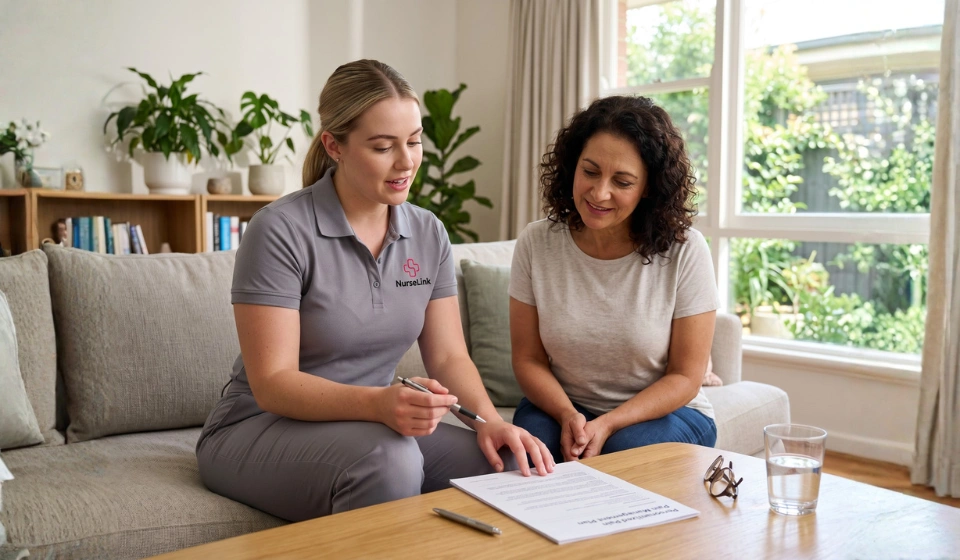
Chronic pain is one of the most common health conditions in Australia, yet it remains widely misunderstood. According to Chronic Pain Australia, Chronic pain is a common and complex condition characterised by persistent pain experienced on most days of the week. It affects 1 in 5 Australians aged 45 and over. For many people, chronic pain is not simply pain that lingers. It is a condition in its own right, one that shapes sleep, mood, movement and everyday life. This guide explains what chronic pain actually is, why it happens, how it feels, whether it counts as a disability, and the practical ways people manage it and keep living well at home. What Is Chronic Pain? Understanding The Basics In simple terms, chronic pain is pain that lasts three months or more, or that continues beyond the time an injury would normally be expected to heal. The difference between acute and chronic pain matters: Acute pain is protective. It warns you that something is wrong, such as a sprain or a cut, and it usually settles as the body heals. Chronic pain continues after healing, sometimes long after the original problem has resolved, and sometimes with no clear ongoing injury at all. Here is the part most people are never told. In chronic pain, the nervous system can become more sensitive over time and effectively turn up the volume on pain signals. Clinicians call this central sensitisation. It means pain is no longer a reliable measure of tissue damage. Importantly, this does not mean the pain is imagined or “in your head.” It is real and it is happening in the nervous system. Chronic pain is often grouped into three broad types: Nociceptive pain, coming from tissues, such as osteoarthritis. Neuropathic pain, coming from nerve damage, such as sciatica or nerve pain related to diabetes. Nociplastic pain, where the body processes pain differently, such as fibromyalgia. What Causes Chronic Pain? There is rarely a single answer. Common drivers include: Ongoing conditions such as osteoarthritis, rheumatoid arthritis, persistent back and neck pain, migraine and endometriosis Injury or surgery where pain outlasts the expected recovery Nerve related causes such as nerve pain from diabetes, pain after shingles, or a compressed nerve Widespread pain conditions such as fibromyalgia Cancer and its treatment Sometimes no clear cause is ever found. This is more common than people expect, and it does not make the pain any less real or any less worth treating. It also helps to know that pain is shaped by more than physical damage alone. Physical health, stress, sleep, mood and a person’s life circumstances all influence how much pain they feel. This is why management works best when it looks at the whole picture, not just one part of it. Chronic pain also becomes more common with age. The Australian Institute of Health and Welfare found that nearly one in four Australians aged 85 and over live with it. Common Symptoms & How Chronic Pain Feels People describe chronic pain in many ways: aching, burning, stabbing, throbbing, shooting, or a deep dull soreness that never quite lifts. But the pain itself is only part of the story. Chronic pain affects the whole person, and the wider effects often include: Fatigue and low energy. Broken or poor quality sleep, which then makes pain worse, so the two feed each other. Stiffness, reduced movement and a gradual loss of strength and fitness. Low mood, anxiety and irritability. Trouble concentrating, sometimes called “pain fog”. Pulling back from social life and a loss of confidence. The emotional toll is significant and well documented. Painaustralia notes that close to half of people living with chronic pain also experience depression or anxiety. Most people also notice a pattern of good days and bad days, along with flares, where pain spikes for a period before settling again. None of this is a sign of weakness. The emotional side of chronic pain is a normal part of the condition, and it is worth raising with a GP or health professional rather than carrying alone. Is Chronic Pain A Disability? This is one of the most searched questions about chronic pain, and the honest answer is: it can be, but it depends. What matters is not the diagnosis label, but how much the pain limits a person’s everyday activities. Two people with the same condition can be affected very differently, which is why impact is always assessed individually. The effect can certainly be disabling. The Australian Institute of Health and Welfare found that people aged 45 and over with chronic pain are around five times as likely as those without it to be limited a lot in their daily activities. In Australia, support pathways exist and are assessed case by case. The best place to start is a conversation with your GP, who can guide you toward the right options, including programs such as the NDIS or My Aged Care where appropriate. Eligibility rules and criteria change over time, so it is worth checking the current details directly with the relevant scheme. Tips For Managing Chronic Pain The single most useful thing to understand is that chronic pain is usually best managed with several approaches working together, not one quick fix. For most people the realistic goal is better function and quality of life, rather than zero pain. Approaches that genuinely help include: Working with your healthcare team. A plan led by your GP, supported by allied health such as physiotherapy, occupational therapy and psychology, and pain management programs where available. Gentle, graded movement. Staying active in a measured way, often guided by a physiotherapist, with pacing to avoid the “boom and bust” cycle of overdoing it on a good day and crashing afterwards. Protecting sleep. Practical sleep routines matter, given how closely sleep and pain are linked. Caring for mind and mood. Stress reduction, mindfulness and evidence based psychological approaches such as cognitive behavioural therapy and acceptance and commitment therapy. Everyday tools. Heat and cold, planning tasks around
Everything You Need To Know About Depression In Senior Citizens
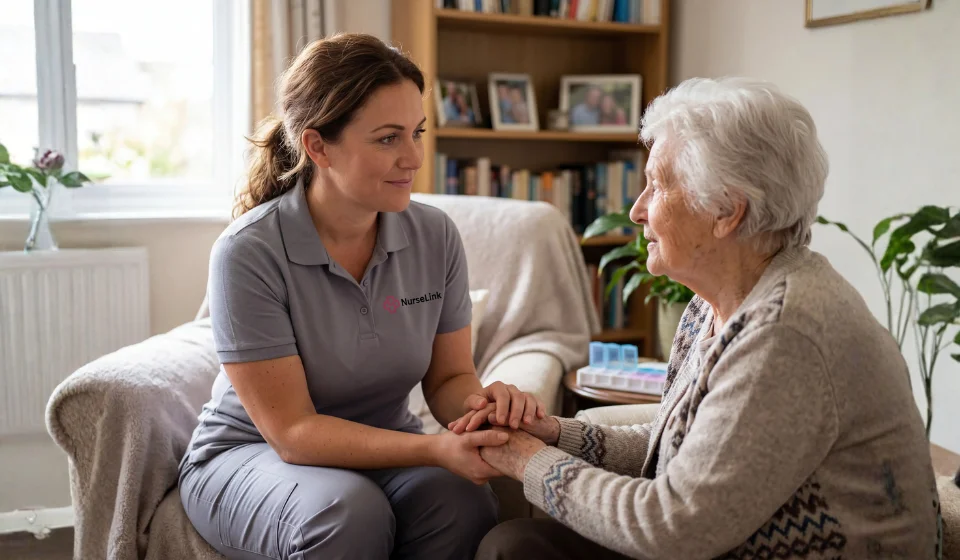
Depression in older adults is often misunderstood as a natural part of ageing, but persistent sadness, emotional withdrawal and hopelessness should never be considered normal. Across Australia, thousands of seniors experience mental health challenges that frequently go unnoticed or untreated because symptoms can appear differently in later life. Many older adults are reluctant to speak openly about emotional struggles, while families may mistake the signs for ageing, grief or physical illness. This guide is designed to help seniors, caregivers and families better understand depression in senior citizens and recognise when support is needed. Depression In Seniors Is More Common Than You Think Depression affects a significant number of older Australians, yet many cases remain undiagnosed due to stigma, isolation or confusion with other health conditions. While everyone experiences sadness occasionally, clinical depression is a serious medical condition that impacts emotional wellbeing, physical health and daily functioning. Early recognition and support can dramatically improve quality of life and long term outcomes. Depression affects many older Australians living independently, in aged care facilities and within community care programs. Symptoms are often mistaken for normal ageing, dementia, grief or chronic illness. Seniors may express depression through physical complaints instead of emotional distress. Untreated depression in older adults usually leads to worsening physical health, reduced independence and social withdrawal. Early intervention improves emotional wellbeing, physical recovery and overall quality of life. Why Are Older Adults More Vulnerable? Older adults often face major life changes that can increase emotional stress and vulnerability to depression. Retirement may lead to a loss of routine, purpose or social connection, while the death of friends or partners can create deep loneliness and grief. Social isolation becomes more common as mobility decreases or family members move away. Chronic pain, declining health and long term medical conditions can also contribute significantly to emotional distress. Understanding the causes of depression in older adults is essential for recognising risk factors early and offering appropriate support. The Role of Biology & Brain Chemistry Ageing affects the brain in several ways, including changes in neurotransmitters responsible for mood regulation. Lower levels of serotonin and dopamine may increase vulnerability to depression and anxiety in seniors. Certain medications used to manage chronic illnesses can also contribute to depressive symptoms, particularly when multiple medications are taken together. Hormonal shifts, neurological changes and reduced cognitive function may further impact emotional wellbeing. These biological factors often interact with emotional and social challenges, creating a more complex mental health picture in older adults. Signs & Symptoms To Watch Out For The symptoms of depression in older adults may not always appear as obvious sadness. Many seniors express emotional distress through physical symptoms, changes in behaviour or withdrawal from everyday activities. For family members and caregivers, recognising the warning signs early can make a meaningful difference in accessing timely treatment and support. Emotional & Behavioural Signs Some of the most common elderly depression symptoms include persistent feelings of sadness, hopelessness or worthlessness. Older adults may begin expressing that they feel like a burden to others or lose interest in activities they once enjoyed. Social withdrawal is another significant warning sign. Seniors may stop attending social events, avoid phone calls or isolate themselves from family and friends. Increased irritability, agitation or unexplained emotional outbursts can also indicate underlying depression, even when sadness is not openly expressed. Physical Signs That Are Often Missed Depression can also present through physical symptoms that are easily mistaken for ageing or medical conditions. Fatigue, body aches, headaches and sleep disturbances are common signs that may not initially appear related to mental health. Changes in appetite or significant weight gain or loss can also occur. Some seniors may experience slowed speech, reduced movement or difficulty concentrating, which can resemble symptoms of neurological conditions. Families should pay close attention to these subtle changes, particularly when several symptoms appear together. How It Differs From Depression in Younger Adults? Depression does not look the same across every age group. Younger adults are often more likely to describe feelings of sadness or emotional distress openly, while seniors may focus primarily on physical discomfort or tiredness. This difference can make diagnosis far more challenging in older populations. In many cases, depression overlaps with grief, chronic illness or cognitive decline, making symptoms harder to identify. Seniors may also avoid discussing emotional struggles due to stigma or fear of appearing weak. Recognising these differences is essential when assessing signs of severe depression in elderly individuals. The Risk Of Misdiagnosis Depression is frequently mistaken for dementia, memory loss or normal ageing, particularly when symptoms involve confusion, withdrawal or slowed thinking. Unfortunately, this can lead to undertreatment and worsening emotional and physical health. Without proper care, depression in older adults usually leads to increased isolation, poorer health outcomes and reduced quality of life. A comprehensive assessment by a GP, psychologist or mental health specialist is important to rule out other medical conditions and develop an appropriate treatment plan. Treatment Options That Actually Work Depression in seniors is highly treatable, especially when recognised early and managed through a personalised approach. Effective treatment often involves a combination of medical support, emotional care, lifestyle adjustments and ongoing social connection. Every individual experiences depression differently, which is why treatment plans should be tailored to their unique circumstances and needs. Therapy & Psychological Support Cognitive behavioural therapy has been shown to be highly effective in helping older adults manage negative thought patterns and emotional distress. Counselling and talk therapy can also provide seniors with a safe space to process grief, loneliness and anxiety. Many Australians benefit from peer support groups and community mental health programs designed specifically for older adults. Group settings can reduce isolation and help seniors feel understood and connected to others facing similar experiences. Medication & Medical Management In some cases, antidepressants may be recommended as part of treatment for depression in elderly patients, including medication support alongside therapy and lifestyle changes. Medication decisions should always be carefully monitored due to the increased risk of side effects and interactions
The Role Of Nutrition In Healthy Ageing
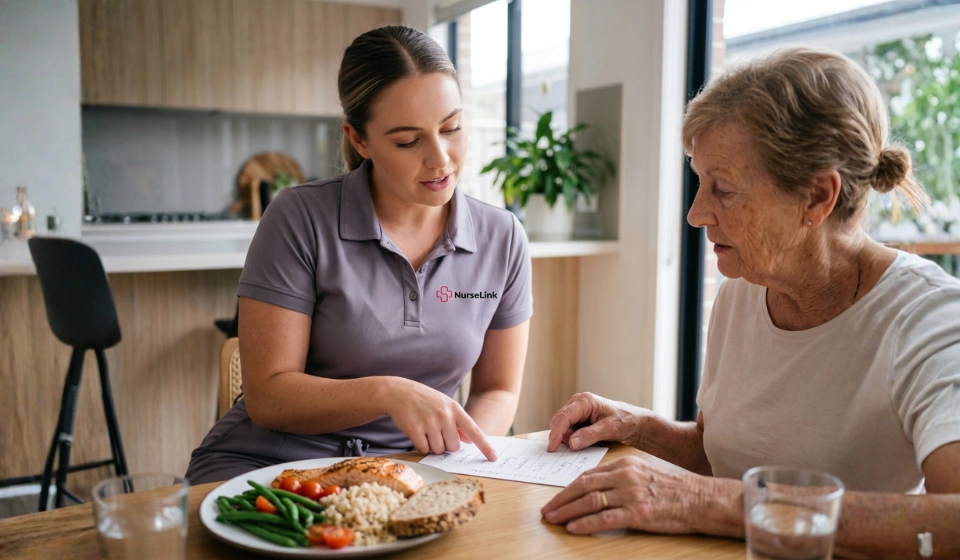
As we age, our nutritional needs evolve alongside changes in metabolism, appetite, and overall health. Many older adults naturally eat less, yet their bodies continue to require a wide range of essential nutrients to maintain strength, support recovery, and reduce the risk of illness. Understanding the connection between nutrition and healthy ageing highlights why a nutrient-rich diet for healthy aging is one of the most effective ways to promote long-term wellbeing, independence, and a better quality of life. Essential Nutrients Older Adults Need For Better Health Eating well becomes increasingly important with age because the body processes nutrients differently over time. While nutritional needs vary between individuals, certain nutrients play a particularly important role in supporting healthy ageing and maintaining everyday function. Protein For Muscle Strength & Repair Muscle mass naturally declines as people get older, making protein one of the most important nutrients for maintaining physical strength and independence. Adequate protein intake helps reduce age-related muscle loss, supports tissue repair, and contributes to better balance and mobility. Maintaining muscle strength allows older adults to continue performing everyday activities such as walking, climbing stairs, carrying groceries, and getting in and out of chairs with greater ease. Protein also plays a key role in recovery following illness, injury, or surgery. Including quality protein sources such as lean meat, poultry, fish, eggs, dairy products, legumes, tofu, and nuts throughout the day helps meet the body’s ongoing repair needs while supporting healthy ageing. Calcium & Vitamin D For Bone Health Strong bones are essential for maintaining mobility and reducing the likelihood of serious injuries later in life. Calcium helps preserve bone density, while vitamin D supports the body’s ability to absorb calcium effectively. Together, these nutrients reduce the risk of osteoporosis and fractures, which become more common with advancing age. Older adults can obtain calcium from dairy products, fortified plant-based alternatives, leafy green vegetables, and some fish varieties. Vitamin D is produced through safe sun exposure and is also found in certain foods, although some individuals may require supplements following medical advice. Supporting bone health allows older adults to remain active for longer while reducing the likelihood of falls leading to significant injury. Fibre, Healthy Fats, And Key Vitamins A balanced diet should also include adequate fibre, healthy fats, vitamins, and minerals to support multiple aspects of overall health. Fibre promotes healthy digestion, helps prevent constipation, supports healthy cholesterol levels, and contributes to stable blood sugar control. Whole grains, fruit, vegetables, legumes, and seeds are excellent sources. Healthy fats found in foods such as olive oil, avocados, nuts, and oily fish support heart health and cognitive function. These fats contribute to healthy brain ageing while reducing inflammation throughout the body. Certain vitamins also become increasingly important with age. Vitamin B12 supports healthy nerve function and red blood cell production, while antioxidants found in colourful fruit and vegetables help protect cells from oxidative damage associated with ageing. Together, these nutrients form an essential part of nutrition for healthy aging. How A Balanced Diet Supports Strength, Immunity, & Independence Good nutrition affects far more than body weight. It supports physical function, protects against illness, and enables older adults to maintain independence throughout later life. Maintaining Physical Strength & Energy Eating a balanced variety of nutrient-rich foods provides the energy needed for everyday living. Adequate nutrition supports muscles, joints, and bones while helping older adults complete daily activities such as walking, shopping, gardening, and household tasks with greater confidence. A nutritious diet can also reduce fatigue by ensuring the body receives sufficient energy, protein, vitamins, and minerals to function efficiently. Maintaining energy levels encourages regular physical activity, which further supports mobility, flexibility, and balance. Strengthening The Immune System As the immune system naturally changes with age, good nutrition becomes increasingly important for protecting overall health. Essential nutrients help the immune system identify and respond to bacteria, viruses, and other harmful organisms. Eating a wide variety of fruit, vegetables, whole grains, lean proteins, and healthy fats supports normal immune function and helps the body recover more effectively following illness or surgery. Good nutrition also contributes to wound healing and recovery, allowing older adults to return to their normal routines more quickly after medical treatment or infection. Promoting Independence & Quality Of Life One of the greatest benefits of maintaining a healthy diet for older adults is preserving independence. When the body receives adequate nutrition, people are more likely to remain physically active, maintain healthy muscle strength, and continue participating in activities they enjoy. Good nutrition also reduces the likelihood of certain nutrition-related health conditions while supporting better management of existing medical conditions. Remaining healthy and active enables older adults to continue making their own choices, participating in their communities, and enjoying a higher quality of life for longer. Common Nutritional Challenges Older Adults Face Although the benefits of healthy eating are well understood, many older adults experience challenges that make maintaining a balanced diet more difficult than expected. Reduced Appetite & Changes In Taste Appetite often decreases with age due to changes in metabolism, medication use, reduced physical activity, or underlying health conditions. Taste and smell may also become less sensitive, making favourite meals seem less enjoyable than before. As a result, some older adults may eat smaller portions or skip meals altogether, increasing the risk of nutrient deficiencies over time. Even when appetite decreases, the body’s nutritional requirements remain high, making food quality more important than ever. Difficulty Shopping, Cooking, Or Eating Preparing healthy meals can become increasingly difficult due to physical limitations. Reduced mobility may make grocery shopping challenging, while arthritis or reduced hand strength can affect cooking ability. Some older adults also experience dental problems or swallowing difficulties that make eating certain foods uncomfortable. These practical challenges can lead individuals to rely on highly processed convenience foods, which may provide insufficient nutrients compared with freshly prepared meals. Managing Chronic Health Conditions Many older adults live with chronic conditions such as diabetes, heart disease, kidney disease, or digestive disorders that require specific dietary modifications.
Everything You Need To Know About Caregiving For Parkinson’s Disease
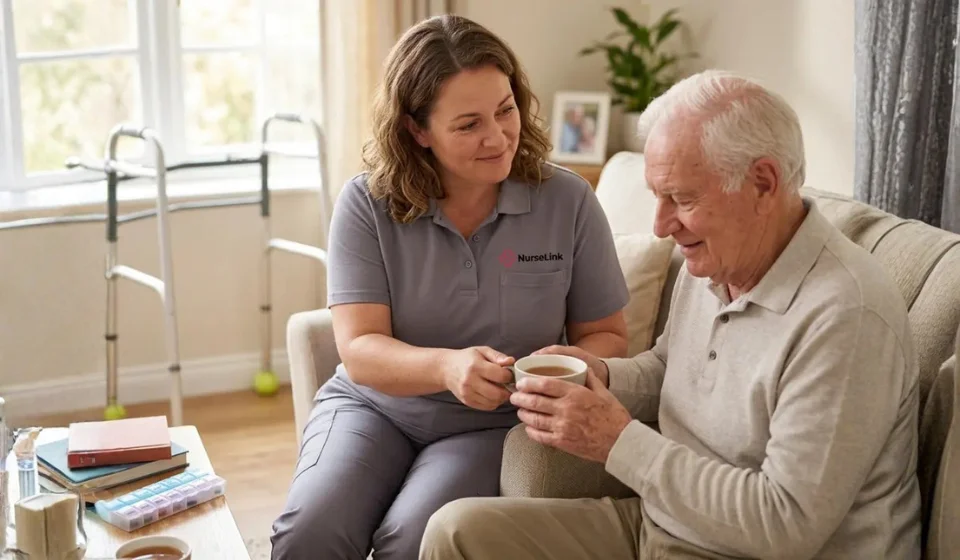
A Parkinson’s disease diagnosis often changes life for the entire family, not just the person receiving the diagnosis. Across Australia, the number of people living with Parkinson’s continues to grow, which means more families are stepping into caregiving roles without fully knowing what lies ahead. From managing physical symptoms to navigating emotional stress and everyday responsibilities, caregiving for parkinsons disease can become both rewarding and deeply challenging. Understanding the journey early can make a meaningful difference for both caregivers and loved ones. What You Need to Know Before You Begin? Becoming a caregiver is far more than helping with daily tasks. It involves emotional resilience, patience, adaptability and long-term commitment. Many carers underestimate how physically and mentally demanding the role can become over time, especially as symptoms progress. Building a reliable support network early, including healthcare professionals, family members and community services, can reduce stress and prevent isolation. It is also important to set realistic expectations from the beginning and ask doctors practical questions about medications, future symptom progression, mobility changes and available support services. Understanding Parkinson’s Disease & How It Progresses Parkinson’s disease is a progressive neurological condition that affects the brain’s ability to control movement. It develops when dopamine-producing nerve cells become damaged or die, leading to symptoms that gradually worsen over time. While many people associate Parkinson’s with tremors, the condition also affects mood, sleep, cognition and overall quality of life. Understanding both the physical and non-physical symptoms is essential when developing effective parkinson’s disease care strategies. The Five Stages of Parkinson’s Disease Parkinson’s disease generally progresses through five stages, although every person experiences the condition differently. In the early stages, symptoms are often mild and may only affect one side of the body. As the disease progresses, balance issues, stiffness and movement difficulties become more noticeable. During the middle stages, individuals may require help with everyday tasks such as dressing, bathing or cooking. In the later stages, mobility becomes significantly limited, and many people need full time care and supervision. Understanding these stages helps caregivers prepare emotionally and practically for changing care needs. Motor vs Non-Motor Symptoms Motor symptoms are the most visible signs of Parkinson’s disease and include tremors, muscle rigidity, slowed movement and balance difficulties. These symptoms can make simple daily activities increasingly difficult and raise the risk of falls and injuries. Non-motor symptoms are often less recognised but can be equally challenging. Many people experience sleep disturbances, anxiety, depression, memory issues and cognitive decline. Some individuals may also struggle with communication difficulties and emotional changes, which can place additional stress on family relationships and caregiving routines. Managing Symptoms & Daily Routines Structure and consistency play an important role in managing Parkinson’s disease symptoms. Daily routines can help reduce confusion, improve medication effectiveness and create a greater sense of stability for the person receiving care. As symptoms change over time, caregivers may need to regularly adjust routines and support methods to maintain comfort and independence. Successful caregiving for parkinsons disease often involves balancing medical needs with emotional support and practical daily care. Small adjustments to routines can make daily life safer, easier and less stressful for everyone involved. Medication Management & Timing Medication timing is one of the most important aspects of Parkinson’s care. Many Parkinson’s medications must be taken at very specific times to effectively manage symptoms and maintain mobility throughout the day. Missing doses or taking medication late can result in increased stiffness, tremors or reduced movement. Caregivers can use phone reminders, medication charts or pill organisers to keep schedules consistent. Keeping a written record of side effects, symptom changes and medication responses can also help doctors make informed adjustments to treatment plans. Mobility, Exercise & Fall Prevention Regular exercise is highly beneficial for people living with Parkinson’s disease. Activities such as walking, stretching, physiotherapy exercises, swimming and balance training can help maintain mobility, flexibility and muscle strength. Exercise may also improve mood and reduce feelings of isolation. Caregivers should learn safe movement techniques to assist with standing, walking and transferring between chairs or beds. Removing household hazards, installing handrails and encouraging the use of mobility aids can significantly reduce the risk of falls. Nutrition & Swallowing Difficulties A balanced diet can support overall health and energy levels for people living with Parkinson’s disease. Foods rich in fibre, hydration and nutrient-dense ingredients may help manage constipation and maintain wellbeing. Some individuals may also need to avoid certain foods that interfere with medication absorption. Swallowing difficulties, known as dysphagia, can develop as Parkinson’s progresses. Caregivers should watch for coughing during meals, choking risks or prolonged eating times. Softer foods, smaller bites and supervised mealtimes may improve safety. Assistance with personal hygiene, grooming and dressing may also become necessary as mobility declines. Emotional & Mental Health Challenges The emotional impact of Parkinson’s disease is often overlooked compared to the physical symptoms. Many individuals living with Parkinson’s experience depression, anxiety, frustration and emotional withdrawal as they cope with changing abilities and loss of independence. Caregivers may also feel overwhelmed, isolated or emotionally exhausted while trying to provide constant support. Recognising emotional changes early is an important part of everything you need to know about caregiving for parkinson’s disease. Open communication, emotional reassurance and professional mental health support can improve wellbeing for both caregivers and patients. Caregiver Burnout Caregiver burnout can happen gradually and may go unnoticed until stress becomes overwhelming. Common warning signs include chronic fatigue, irritability, sleep problems, emotional numbness and feelings of hopelessness. Ignoring these signs can negatively affect both the caregiver and the person receiving care. Protecting your own mental health is not selfish. Taking regular breaks, asking for help and maintaining social connections are essential for long term caregiving sustainability. Support groups and respite care services can provide emotional relief and practical assistance. Communication may also become more difficult as speech changes develop. Caregivers should remain patient, maintain eye contact and allow extra time for conversations. Supporting the emotional wellbeing of the entire family is equally important, especially when children
Safer Home Modifications For Elderly Living
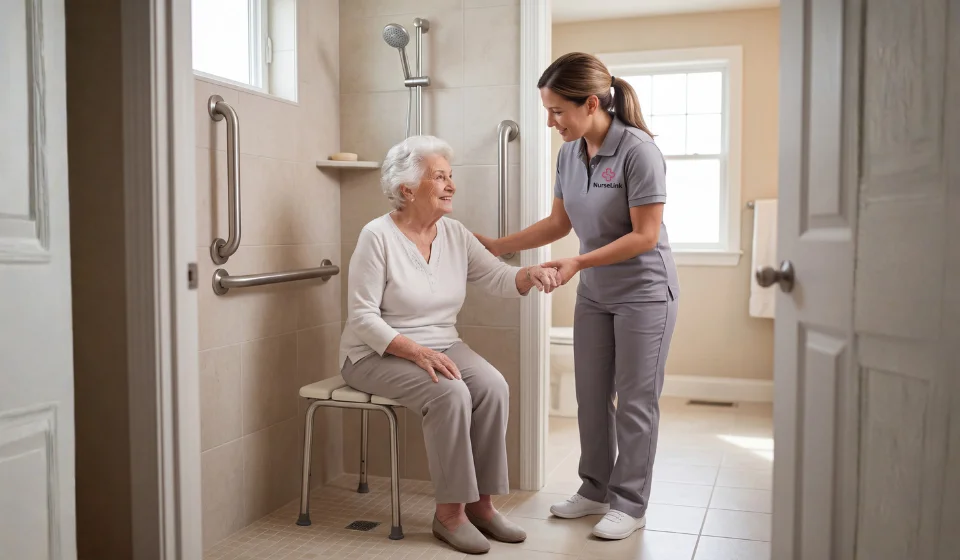
Creating a safe and accessible home environment is an important part of supporting healthy ageing and long term independence for older adults. As mobility, balance, vision, and strength change with age, everyday household tasks and movements can become more challenging and increase the risk of injury. Thoughtful home modifications can help reduce these risks while improving comfort, confidence, and quality of life for seniors who wish to remain living in familiar surroundings. Preventative safety measures also play an essential role in helping older individuals maintain independence while reducing the likelihood of falls, hospitalisations, and ongoing health complications. Why Home Safety Matters For Elderly Living Ageing can bring physical and cognitive changes that affect how safely seniors move around their homes. Reduced mobility, muscle weakness, joint pain, poor balance, and changes in vision can make routine activities such as walking, bathing, or using stairs more difficult over time. Even minor household hazards can significantly increase the risk of falls or injuries for elderly individuals. Falls are one of the most common causes of injury among older Australians and can lead to fractures, hospital admissions, reduced confidence, and loss of independence. This is why early home safety planning and practical modifications are so important for supporting long term wellbeing and helping seniors remain comfortable at home for as long as possible. Mobility and balance changes can increase the risk of falls and household injuries. Poor lighting and cluttered spaces may create unsafe living conditions for seniors. Safe home environments help support independence, confidence, and emotional wellbeing. Early safety modifications may reduce the likelihood of hospitalisation or long term complications. Personalised safety planning can improve comfort and quality of life for ageing adults. Many families seeking help for elderly to stay in own home begin by assessing safety risks and making practical changes that support safer daily living. Common Safety Risks Seniors Face At Home Several common household hazards can become dangerous for elderly individuals, particularly those with mobility limitations, chronic health conditions, or reduced vision. Slippery flooring, loose rugs, uneven surfaces, and cluttered walkways are among the leading causes of falls inside the home. Bathrooms and stairways are especially high risk areas due to moisture, limited support structures, and restricted movement spaces. Poor lighting can also affect safety by making it more difficult for seniors to identify obstacles or safely navigate rooms at night. Difficulty reaching cupboards, accessing entryways, or moving through narrow spaces can create additional challenges for individuals using walking aids, wheelchairs, or mobility equipment. Limited accessibility within the home may lead seniors to avoid certain areas altogether, reducing independence and increasing reliance on caregivers. Understanding these risks early allows families to introduce safer layouts and practical home accessibility modifications for seniors before injuries or mobility problems become more severe. Essential Home Modifications For Safer Living Making targeted safety improvements throughout the home can significantly reduce injury risks while improving accessibility and comfort for elderly individuals. Many home modifications for elderly or disabled individuals focus on supporting safer movement, reducing fall hazards, and making everyday tasks easier to manage independently. Installing handrails and grab bars in bathrooms, hallways, and stairways for additional support Improving lighting in entryways, bedrooms, kitchens, and walkways to increase visibility and safety Removing loose rugs, uneven flooring, and trip hazards that may contribute to falls Widening doorways and creating open spaces for easier wheelchair or walking aid access Adding non slip flooring and safer entryways to reduce the risk of slipping in wet or unstable areas Simple modifications can often make a major difference in helping seniors navigate their homes more safely while reducing the need for ongoing assistance with routine tasks. Bathroom & Mobility Safety Improvements Bathrooms are one of the highest risk areas in the home for slips and falls, particularly for elderly individuals with balance or mobility challenges. Wet surfaces, low toilet seating, and difficult shower access can create unsafe conditions without proper modifications. Installing walk in showers, grab rails, non slip flooring, and raised toilet seats can significantly improve bathroom safety while supporting greater independence. Mobility related improvements throughout the home can also help seniors move more confidently and comfortably between rooms. Open layouts, wider pathways, ramps, stair lifts, and support rails can make everyday activities safer for individuals using mobility aids or experiencing reduced physical strength. Accessible home designs are especially important for those receiving home modifications aged care support or ongoing in home healthcare services. Practical adjustments allow seniors to continue managing personal routines with greater ease while helping caregivers provide safer and more effective support when required. These aged care home modifications also contribute positively to emotional wellbeing by helping elderly individuals remain connected to familiar surroundings and maintain greater control over their daily lives. How Home Modifications Support Independent Living? Home modifications are not only about reducing injury risks. They also play a major role in supporting independence, emotional wellbeing, and confidence for ageing adults who wish to continue living in their own homes safely. Helping seniors complete daily routines with greater safety and comfort. Encouraging confidence and mobility within familiar living environments. Reducing reliance on caregivers for basic household and personal tasks. Supporting emotional wellbeing, dignity, and quality of life. Allowing seniors to remain living independently at home for longer periods. When elderly individuals feel safe and supported within their homes, they are often more likely to remain socially active, emotionally engaged, and physically independent. Choosing The Right Home Safety Solutions For Seniors Selecting appropriate safety modifications requires careful consideration of the individual’s mobility, health conditions, daily routines, and long term care needs. Every person experiences ageing differently, which means home safety solutions should be tailored to their unique circumstances rather than using a one size fits all approach. Working with healthcare professionals, occupational therapists, carers, or home support providers can help families identify practical modifications that improve both safety and independence. Professional assessments can also help prioritise changes according to the individual’s immediate and future care requirements. It is important to choose durable, accessible, and
How To Find The Right Homecare Service?
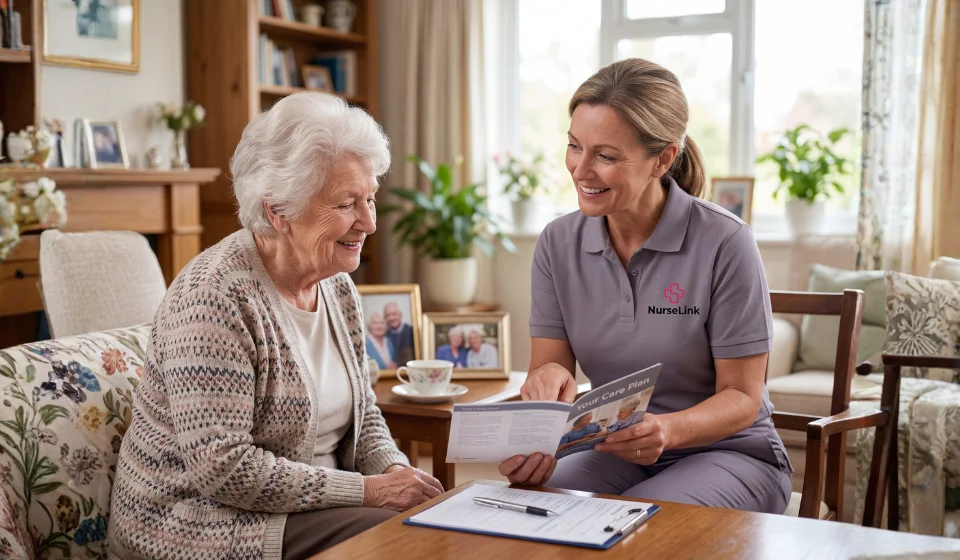
Home care services are becoming increasingly important across Australia as more individuals choose to receive support in the comfort of their own homes. Whether it involves aged care, disability support or post hospital assistance, selecting the right provider can make a significant difference to a person’s safety, independence and overall wellbeing. Compassionate and personalised care not only improves quality of life but also helps individuals maintain dignity, confidence and meaningful daily routines while remaining connected to their families and communities. Understanding Home Care Services Home care services are designed to support individuals who require assistance with daily living, health management or personal wellbeing while continuing to live at home. The level of support can vary depending on individual circumstances, health conditions and personal preferences. What Home Care Services Include Home care can involve a wide range of services tailored to meet different needs. Personal care assistance may include help with bathing, dressing, grooming and mobility support. Domestic support often covers household tasks such as cleaning, laundry, meal preparation and grocery shopping, helping individuals maintain a safe and comfortable home environment. Many providers also offer nursing and medical care, including medication management, wound care and ongoing health monitoring delivered by qualified healthcare professionals. Social support and companionship are equally valuable, particularly for individuals who may experience loneliness or isolation. In addition, transport and mobility assistance can help clients attend medical appointments, community activities and social events safely and comfortably. Who Can Benefit From Home Care Home care services can benefit a wide range of people. Older adults who wish to remain independent at home often rely on support services to maintain their daily routines and quality of life. Individuals recovering from illness, injury or surgery may also need temporary assistance while regaining strength and mobility. People living with disability or chronic health conditions can benefit from ongoing personalised support that promotes independence and wellbeing. Families caring for loved ones may also seek home care services to reduce caregiving pressures and ensure professional support is available when needed. Why Choosing The Right Provider Is Important Choosing a home care provider is an important decision because the quality of care directly affects a person’s health, comfort and emotional wellbeing. A reliable and compassionate provider can create a sense of security while helping individuals maintain confidence and independence. Impact On Health and Wellbeing High quality home care services contribute to safety and comfort at home by ensuring individuals receive the right level of support for their physical and emotional needs. Consistent and reliable care can reduce stress for both clients and family members, particularly when routines and communication remain stable. Emotional wellbeing is also closely connected to the quality of support provided. Compassionate carers who build positive relationships with clients can help reduce feelings of loneliness, anxiety and uncertainty. The Importance Of Personalised Support Personalised care is essential because every individual has different needs, preferences and routines. Tailored care plans ensure services are designed around the client rather than using a one size fits all approach. Respect for personal preferences, cultural backgrounds and daily routines helps individuals feel comfortable and valued. Over time, building trust between carers, clients and families creates stronger relationships and improves the overall care experience. What To Look For When Evaluating Finding the right home care provider involves more than comparing prices or services. Families should carefully evaluate experience, communication, flexibility and overall quality of care before making a decision. Reputation & Experience A provider’s reputation can reveal a great deal about the quality and reliability of their services. Experienced providers are often better equipped to manage different care situations and respond to changing client needs. Researching The Provider Online reviews and testimonials can provide insight into the experiences of other clients and families. Recommendations from doctors, nurses or healthcare professionals may also help identify trustworthy providers with strong industry reputations. It is also useful to consider how long the provider has been operating and whether they have experience delivering services within the local community. Providers with a strong history in aged care, disability support or home nursing often demonstrate greater understanding of complex care needs. Understanding Their Services Families should ask detailed questions about the range of services available and whether support can be adjusted over time. Flexible care plans are important because care needs often change due to ageing, illness or recovery. It is also helpful to confirm whether emergency or after hours support is available, especially for individuals who may require urgent assistance outside standard business hours. Communication & Transparency Clear communication is one of the most important qualities in a home care provider. Families and clients should feel comfortable asking questions and discussing concerns openly. Clear Communication Providers should explain their services, care processes and pricing structures in simple and transparent ways. Responsiveness to phone calls, emails and enquiries can also indicate how reliable and supportive the organisation will be once care begins. Regular updates for clients and families are equally important. Open communication helps build trust while ensuring everyone involved understands the care plan and any changes that may occur. Transparency Around Fees a& Agreements Understanding costs is an essential part of choosing the right provider. Families should ask for clear explanations of pricing structures, government funding options and Home Care Package support where applicable. Service agreements should also be reviewed carefully to understand cancellation policies, included services and any additional fees. Transparency around financial arrangements helps avoid confusion and unexpected costs later on. Compatibility & Comfort Comfort and compatibility are extremely important when inviting carers into the home. Positive relationships can improve emotional wellbeing and create a more supportive care environment. Building Trust With Carers Personality match plays a significant role in building trust between carers and clients. Respectful, compassionate and patient communication helps individuals feel safe and comfortable during care visits. Cultural understanding and language support may also be important for some families. Choosing carers who understand personal values and cultural backgrounds can improve communication and overall care satisfaction. Flexibility & Reliability
The Six Ways Of Reminiscing For Older Adults
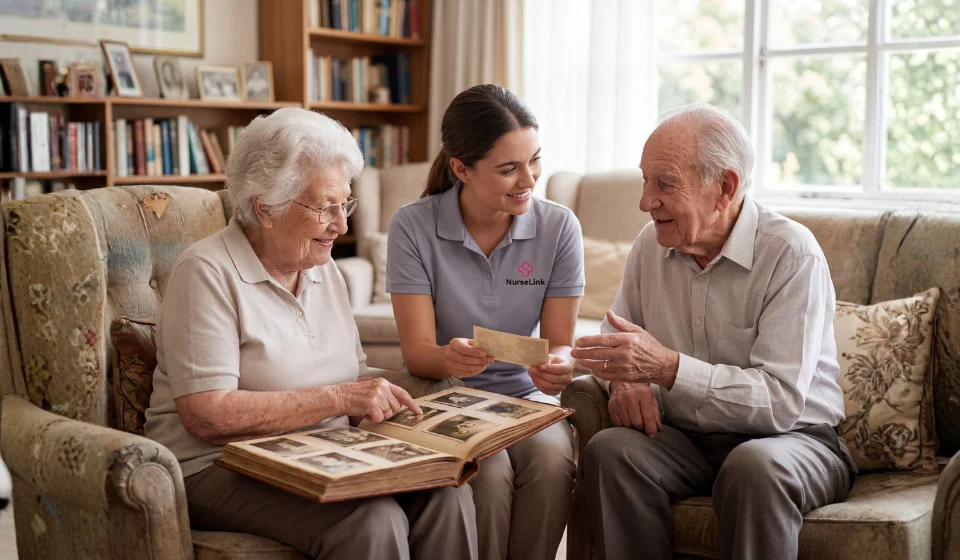
Growing older often brings a stronger connection to memories, relationships and life experiences. Reflecting on meaningful moments from the past can help older adults maintain a sense of identity while strengthening emotional and social wellbeing. Whether shared through stories, music or family conversations, reminiscing can create comfort, connection and reassurance during later life. What Is Reminiscence, Really? Reminiscence is more than simply thinking about the past. It involves reflecting on personal experiences and sharing memories in ways that support emotional connection and self-understanding. Understanding the reminiscing meaning can help families and carers better support older adults as they age. Understanding Reminiscence When discussing what is reminiscing, it is important to recognise that it is an active process of recalling and sharing meaningful memories. Unlike ordinary remembering, reminiscing often includes storytelling, emotional reflection and social interaction. Common examples include talking about childhood experiences, family traditions, favourite holidays or important life milestones. Why Older Adults Naturally Reflect On The Past As people age, retirement, changes in health and shifts in family roles often encourage reflection. Older adults may think more deeply about the experiences that shaped their identity and values over time. Family milestones such as births, weddings and anniversaries can also inspire older people to revisit treasured memories. In many cases, reminiscing provides emotional comfort and helps individuals better understand their life journey. And How Does It Actually Work? Reminiscing works by activating emotional and cognitive pathways connected to long term memory. It encourages older adults to engage with their personal history while strengthening communication and emotional expression. The Psychology Behind Reminiscing Memories are often linked to strong emotions and sensory experiences. Familiar songs, photographs, smells or places can trigger memories and create a sense of comfort and familiarity. Storytelling also plays an important role in brain health. Talking about life experiences encourages mental stimulation and helps organise memories in meaningful ways. In aged care and homecare settings, reminiscence activities are often used to support communication and emotional wellbeing. Social & Emotional Effects One of the strongest benefits of reminiscing is its ability to strengthen relationships. Sharing stories encourages conversation and helps older adults feel more connected to family members, carers and friends. Reminiscing can also support confidence and self worth by reminding people of their achievements, resilience and personal experiences. Feeling heard and understood often creates emotional reassurance, especially for individuals experiencing loneliness or isolation. Why Looking Back Is So Good For Older Adults Reflecting on the past can provide comfort, encouragement and perspective. The importance of reminiscing becomes especially clear when considering the emotional, cognitive and social benefits it offers older adults. Emotional Benefits One of the key benefits of reminiscing for seniors is reducing feelings of loneliness and stress. Talking about positive experiences can help older adults reconnect with meaningful moments and relationships. Reminiscing may also improve mood and create a greater sense of purpose by encouraging individuals to appreciate their personal achievements and life experiences. Cognitive Benefits Reminiscing supports memory recall and mental stimulation. Conversations about the past encourage focus, attention and communication skills, which may help maintain cognitive function over time. Activities such as storytelling, discussing family photographs and listening to familiar music can also encourage engagement and mental activity in a comfortable environment. Social Benefits The social benefits of reminiscing are equally valuable. Sharing memories strengthens family relationships and encourages meaningful conversations between generations. Older adults often feel more valued and included when their stories are listened to and appreciated. Group reminiscence sessions and social activities can also create opportunities for companionship and connection. A Closer Look At The Six Types Of Reminiscing Not all reminiscing is the same. Some forms encourage emotional wellbeing and resilience, while others may contribute to sadness or withdrawal if they become unhealthy or repetitive. Understanding Positive & Negative Reminiscence Helpful forms of reminiscing often involve learning from experiences, strengthening relationships or finding meaning in life events. These patterns can support healthy ageing and emotional wellbeing. Unhelpful reflection patterns may involve focusing heavily on regrets, losses or negative experiences. Maintaining balance is important so reminiscing remains supportive rather than emotionally overwhelming. The Kinds Of Reminiscing That Help Us Age Well Positive reminiscence can encourage resilience, emotional healing and stronger social connection. Many older adults benefit from reflecting on the lessons, relationships and achievements that shaped their lives. These healthy forms of reflection can also help older adults feel respected, valued and emotionally supported. Reminiscing To Solve Problems (Instrumental) Instrumental reminiscing focuses on recalling past experiences to overcome present challenges. It encourages older adults to draw on previous successes and life lessons during difficult times. What Instrumental Reminiscing Means This form of reminiscing involves using past experiences as a source of guidance and strength. Older adults may reflect on earlier challenges they successfully managed and apply similar coping skills to current situations. Benefits For Older Adults Instrumental reminiscing can help build resilience and confidence by reminding individuals of their ability to adapt and persevere. It may also encourage independence and stronger coping skills during periods of uncertainty. Everyday Examples An older adult adjusting to health changes may reflect on earlier situations where determination and patience helped them recover or adapt. Someone experiencing retirement or grief may also recall previous life transitions that eventually led to personal growth. Reminiscing To Pass Down Wisdom (Transmissive) Transmissive reminiscing focuses on sharing knowledge, values and life lessons with others. It helps preserve family history while strengthening intergenerational relationships. Understanding Transmissive Reminiscing This type of reminiscence involves sharing stories that communicate traditions, beliefs and important experiences. Older adults often pass down lessons learned through parenting, work and personal relationships. Why It Matters Sharing memories helps younger generations learn from older family members while helping older adults feel respected and heard. It also strengthens emotional bonds and family identity. Ways Families Can Encourage It Families can encourage transmissive reminiscing through storytelling sessions, discussing family photographs or recording personal memories through videos and journals. Reminiscing To Make Sense Of Life (Integrative) Integrative reminiscing encourages people to reflect
A Complete Guide To Healthy & Positive Ageing
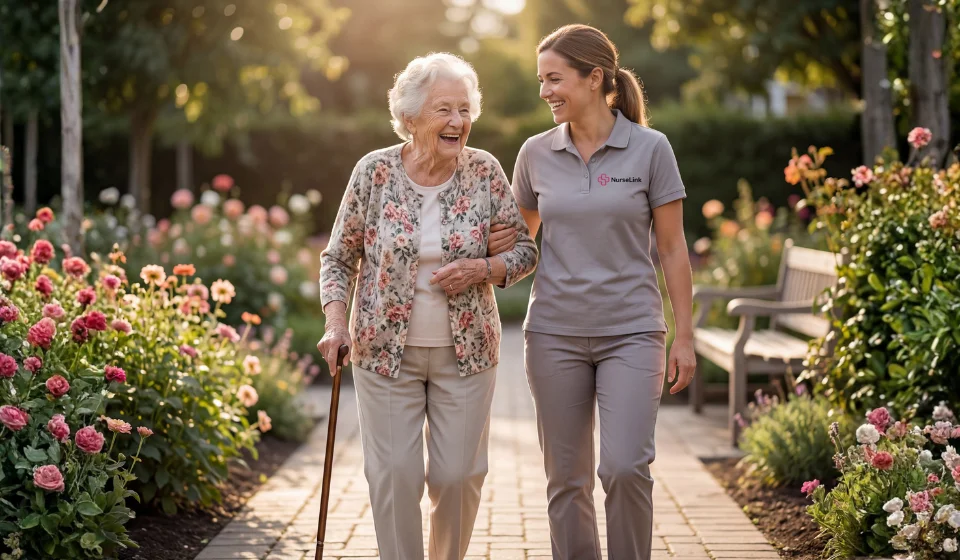
Ageing is a natural and lifelong process that brings both opportunities and challenges. In recent years, there has been a shift from simply focusing on lifespan to prioritising healthspan, which emphasises the quality of life in later years. Taking a proactive approach to physical, mental, and social wellbeing plays a key role in supporting individuals to live fulfilling and independent lives as they grow older. This approach is highly relevant not only for older adults but also for families and caregivers who play an important role in supporting healthy ageing journeys. What Is Healthy Ageing & Why Is It Important? Understanding what is healthy ageing involves looking beyond the absence of disease and focusing on the ability to maintain functional independence and overall wellbeing. From a clinical and public health perspective, healthy ageing is about enabling individuals to live safely, remain active, and participate in meaningful activities for as long as possible. It reflects the broader ageing well meaning, where quality of life is prioritised alongside longevity. Healthy ageing also highlights the difference between natural ageing processes and preventable health decline. While some physical and cognitive changes are expected over time, many health issues can be managed or delayed through early intervention and lifestyle choices. This aligns with the concept of successful ageing meaning, which focuses on maintaining independence, engagement, and a high level of life satisfaction. Reduced risk of chronic diseases through preventive care. Improved mobility and physical function. Better cognitive health and mental clarity. Enhanced emotional wellbeing and resilience. Increased overall life satisfaction and independence. Early lifestyle habits, including balanced nutrition, physical activity, and regular health check-ups, play a significant role in shaping long-term health outcomes. Key Principles For A Fulfilling Life A fulfilling ageing journey is built on a holistic approach that considers physical, mental, emotional, and social wellbeing. The positive ageing definition goes beyond physical health, emphasising purpose, connection, and adaptability as individuals navigate different stages of life. Maintaining a balance between physical, mental, and emotional health. Prioritising a sense of purpose and meaning in daily life. Engaging in lifelong learning and cognitive stimulation. Staying adaptable to life transitions such as retirement or health changes. Building resilience to cope with challenges and uncertainty. Encouraging independence while recognising when support is needed. Staying engaged in hobbies and meaningful activities. Developing healthy routines that promote wellbeing. Fostering a positive outlook towards ageing. Creating a supportive environment that encourages growth and connection. These principles collectively shape what is positive active and healthy ageing, where individuals remain engaged, empowered, and fulfilled throughout later life. Physical Health & Lifestyle Habits For Ageing Well Maintaining physical health is a cornerstone of ageing well. Regular physical activity helps improve strength, flexibility, and balance, reducing the risk of falls and supporting mobility. Activities such as walking, light strength training, and stretching exercises can make a significant difference in maintaining independence and overall wellbeing. Nutrition: A balanced diet rich in essential nutrients supports energy levels, immune function, and overall health. Adequate hydration and mindful portion control are equally important in maintaining a healthy lifestyle as the body’s needs change with age. Preventive Healthcare: Routine health check-ups and screenings allow for early detection and management of potential health issues. Proper medication management is also crucial to ensure treatments are effective and safe. Sleep quality plays a vital role in physical and mental health. Poor sleep can affect mood, cognitive function, and overall energy levels. Additionally, avoiding risk factors such as smoking, physical inactivity, and unhealthy dietary habits contributes significantly to long-term health outcomes. Understanding what does healthy aging look like often begins with these everyday habits that support sustained wellbeing. Mental & Emotional Wellbeing In Ageing Mental and emotional wellbeing are essential components of healthy ageing. Older adults may face challenges such as anxiety, depression, or cognitive decline, often influenced by life transitions, health conditions, or social changes. Addressing these concerns early can significantly improve quality of life. Developing emotional resilience and adopting healthy coping strategies can help individuals navigate these challenges. Practices such as mindfulness, relaxation techniques, and staying mentally active through reading or problem-solving activities contribute to improved mental health. Awareness of common mental health challenges including anxiety and depression. Importance of building emotional resilience and coping mechanisms. Role of mindfulness, relaxation, and stress management techniques. Recognising early signs of mental health concerns. Access to professional support and counselling services. Reducing stigma around mental health is equally important. Encouraging open conversations and providing supportive environments can make it easier for older adults to seek help when needed. The Role Of Social Connections & Purpose In Later Life Social connections play a significant role in maintaining both physical and mental health. Loneliness and social isolation can negatively impact wellbeing, increasing the risk of depression and other health issues. Maintaining relationships with family, friends, and the wider community helps create a sense of belonging and emotional support. Engaging in social, cultural, and recreational activities can enhance quality of life and provide opportunities for meaningful interaction. Volunteering or contributing to community initiatives can also foster a strong sense of purpose, which is closely linked to overall happiness. Understanding how to stay happy in old age often involves staying socially connected and maintaining a sense of purpose. These elements contribute to a more fulfilling and balanced lifestyle, reinforcing the importance of community and engagement. Maintaining Independence & Quality Of Life As You Age Maintaining independence is a key factor in preserving dignity and confidence as individuals age. Being able to manage daily activities and make personal decisions contributes significantly to overall wellbeing and self-esteem. Home modifications and assistive technologies can enhance safety and accessibility, allowing individuals to continue living comfortably in their own environment. Simple adjustments, such as improved lighting, mobility aids, or safety installations, can reduce risks and support independence. Access to community care, homecare services, and professional support also plays an important role. These services provide assistance while allowing individuals to retain control over their daily lives. Healthcare providers and caregivers contribute by offering personalised
Issues Of Mental Health In Senior Citizens
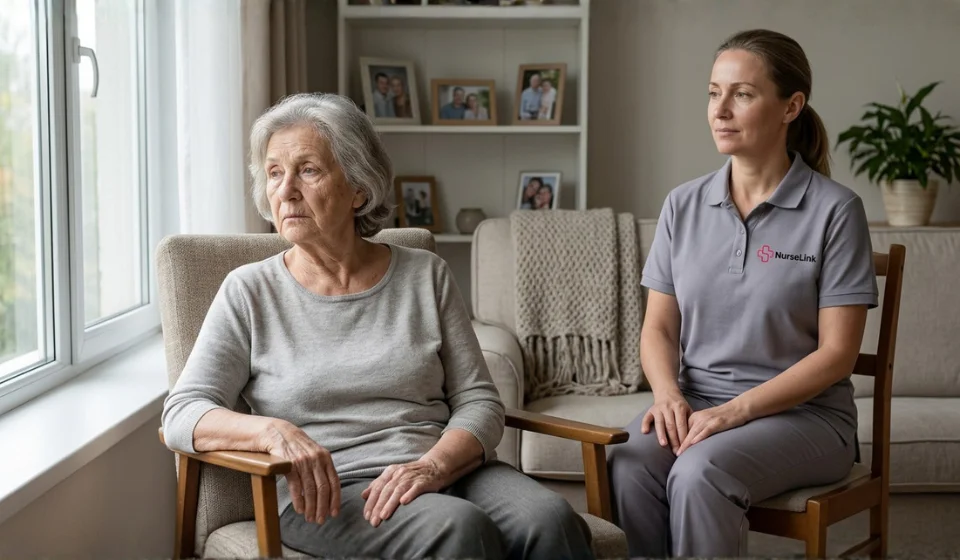
Mental health in old age is an important yet often overlooked aspect of overall wellbeing. As people age, emotional and psychological needs can change alongside physical health, creating a strong connection between body and mind. There are still common misconceptions that mental health challenges are a natural part of ageing, which can prevent early recognition and support. In reality, understanding how mental health evolves over time, encouraging open conversations, and recognising early signs can make a meaningful difference in improving quality of life for older adults. Understanding The Emotional Challenges Seniors May Experience Ageing often brings a series of life transitions that can affect emotional wellbeing. Retirement, changes in living arrangements, or the loss of loved ones can create feelings of uncertainty and grief. These experiences are a natural part of life, but when left unaddressed, they can contribute to mental health issues in old age. At the same time, older adults may experience anxiety or depression linked to declining health or reduced independence. Emotional resilience can shift over time, making it more difficult to cope with stress or change. Recognising these patterns is essential in addressing mental health problems in old age early and effectively. Feelings of loss related to bereavement or life changes. Anxiety linked to health concerns or future uncertainty. Depression associated with isolation or reduced activity. Adjusting to changes in independence or mobility. Emotional impact of retirement or relocation. The Quiet Impact Of Loneliness & Isolation Loneliness is one of the most significant contributors to issues of mental health in seniors. As social circles become smaller due to retirement, relocation, or the loss of peers, older adults may experience reduced daily interaction. This isolation can have both emotional and physical consequences. Beyond feelings of sadness, prolonged loneliness has been linked to increased risks of cognitive decline, poor physical health, and reduced overall wellbeing. Addressing social isolation is therefore a key step in supporting mental health in senior citizens. Limited social interaction leading to feelings of disconnection. Reduced opportunities for meaningful engagement. Emotional effects such as sadness, anxiety, or low self-worth. Increased risk of physical health decline due to isolation. Long-term impact on cognitive and emotional wellbeing. Noticing Subtle Changes In Mood & Behaviour Changes in mental health are not always obvious. In many cases, they appear gradually through subtle shifts in behaviour, mood, or daily habits. Being able to recognise these early signs is crucial in addressing mental health in seniors before issues become more serious. Family members and caregivers are often the first to notice these changes. Paying attention to patterns rather than isolated incidents can help identify when additional support may be needed. Early awareness plays a key role in how to maintain mental health in old age. Withdrawal from social activities or reduced communication. Irritability, mood swings, or increased frustration. Changes in sleep patterns or appetite. Difficulty concentrating or increased forgetfulness. Gradual decline in interest in daily activities. How Caregivers & Families Can Provide Support Caregivers and families play a vital role in supporting mental health in old age. Creating an environment where older adults feel heard, respected, and understood can significantly improve emotional wellbeing. Open communication helps individuals express their concerns without fear of judgement. Providing consistent support does not mean taking over. Encouraging independence while offering reassurance allows seniors to maintain a sense of control and dignity. This balance is essential in how to improve mental health in old age and build long-term confidence. Creating A Sense Of Connection & Daily Comfort A sense of routine and connection can have a powerful impact on mental health. Simple daily structures provide familiarity and stability, helping older adults feel more secure and engaged. Activities that bring enjoyment or purpose can also improve emotional wellbeing. Encouraging social interaction, whether through family visits, community groups, or hobbies, helps reduce feelings of isolation. Creating a comfortable and supportive living environment further enhances mental health in senior citizens by promoting both physical and emotional comfort. When To Seek Professional Guidance While family support is essential, there are times when professional help is needed. Persistent changes in mood, behaviour, or overall wellbeing should not be overlooked. Early intervention can prevent more serious mental health problems and provide access to appropriate care. Healthcare professionals can offer assessments, treatment options, and ongoing support tailored to individual needs. Accessing these services is an important step in managing mental health problems in old age effectively. Ongoing feelings of sadness, anxiety, or hopelessness. Noticeable decline in daily functioning or self-care. Increased confusion or cognitive changes. Withdrawal from social interaction over extended periods. Difficulty coping with everyday activities or stress. Moving Towards Dignity, Comfort, & Wellbeing Supporting mental health in seniors requires a compassionate and person-centred approach. By focusing on individual needs, encouraging gradual progress, and promoting dignity and respect, it is possible to improve overall quality of life. With the right balance of support, awareness, and care, older adults can continue to experience comfort, connection, and emotional wellbeing in later life. Latest Post