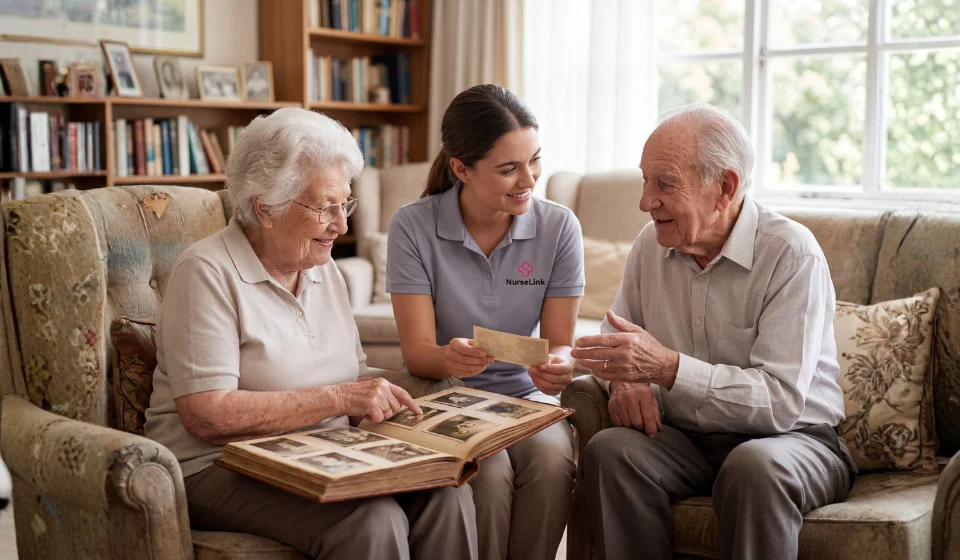
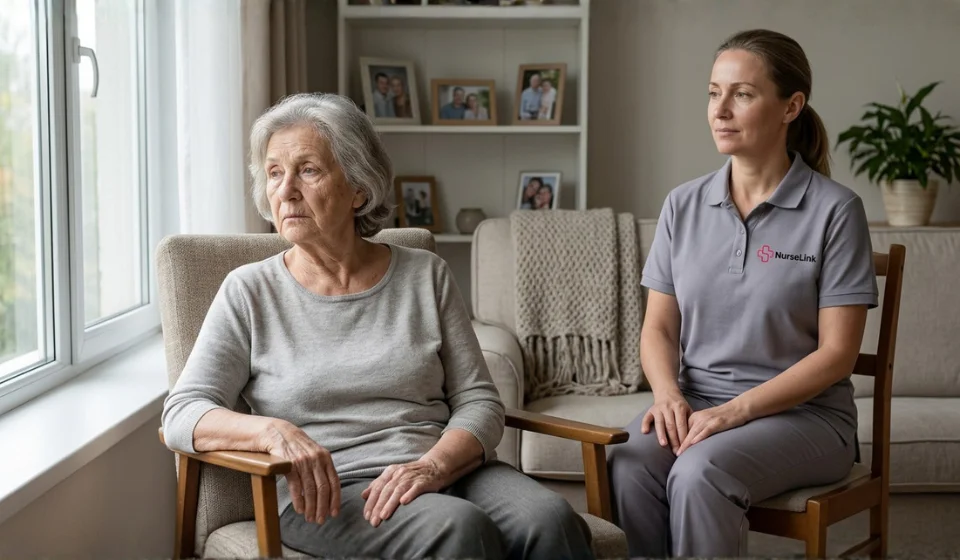
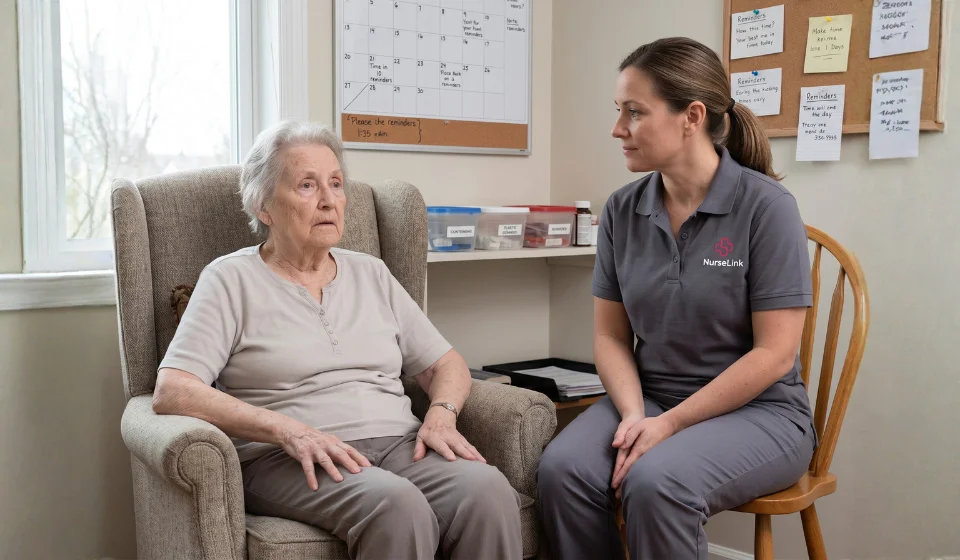
Growing older often brings a stronger connection to memories, relationships and life experiences. Reflecting on meaningful moments from the past can help older adults maintain a sense of identity while strengthening emotional and social wellbeing. Whether shared through stories, music or family conversations, reminiscing can create comfort, connection and reassurance during later life.
What Is Reminiscence, Really?
Reminiscence is more than simply thinking about the past. It involves reflecting on personal experiences and sharing memories in ways that support emotional connection and self-understanding. Understanding the reminiscing meaning can help families and carers better support older adults as they age.
Understanding Reminiscence
When discussing what is reminiscing, it is important to recognise that it is an active process of recalling and sharing meaningful memories. Unlike ordinary remembering, reminiscing often includes storytelling, emotional reflection and social interaction. Common examples include talking about childhood experiences, family traditions, favourite holidays or important life milestones.
Why Older Adults Naturally Reflect On The Past
As people age, retirement, changes in health and shifts in family roles often encourage reflection. Older adults may think more deeply about the experiences that shaped their identity and values over time.
Family milestones such as births, weddings and anniversaries can also inspire older people to revisit treasured memories. In many cases, reminiscing provides emotional comfort and helps individuals better understand their life journey.
And How Does It Actually Work?
Reminiscing works by activating emotional and cognitive pathways connected to long term memory. It encourages older adults to engage with their personal history while strengthening communication and emotional expression.
The Psychology Behind Reminiscing
Memories are often linked to strong emotions and sensory experiences. Familiar songs, photographs, smells or places can trigger memories and create a sense of comfort and familiarity.
Storytelling also plays an important role in brain health. Talking about life experiences encourages mental stimulation and helps organise memories in meaningful ways. In aged care and homecare settings, reminiscence activities are often used to support communication and emotional wellbeing.
Social & Emotional Effects
One of the strongest benefits of reminiscing is its ability to strengthen relationships. Sharing stories encourages conversation and helps older adults feel more connected to family members, carers and friends.
Reminiscing can also support confidence and self worth by reminding people of their achievements, resilience and personal experiences. Feeling heard and understood often creates emotional reassurance, especially for individuals experiencing loneliness or isolation.
Why Looking Back Is So Good For Older Adults
Reflecting on the past can provide comfort, encouragement and perspective. The importance of reminiscing becomes especially clear when considering the emotional, cognitive and social benefits it offers older adults.
Emotional Benefits
One of the key benefits of reminiscing for seniors is reducing feelings of loneliness and stress. Talking about positive experiences can help older adults reconnect with meaningful moments and relationships.
Reminiscing may also improve mood and create a greater sense of purpose by encouraging individuals to appreciate their personal achievements and life experiences.
Cognitive Benefits
Reminiscing supports memory recall and mental stimulation. Conversations about the past encourage focus, attention and communication skills, which may help maintain cognitive function over time.
Activities such as storytelling, discussing family photographs and listening to familiar music can also encourage engagement and mental activity in a comfortable environment.
Social Benefits
The social benefits of reminiscing are equally valuable. Sharing memories strengthens family relationships and encourages meaningful conversations between generations.
Older adults often feel more valued and included when their stories are listened to and appreciated. Group reminiscence sessions and social activities can also create opportunities for companionship and connection.
A Closer Look At The Six Types Of Reminiscing
Not all reminiscing is the same. Some forms encourage emotional wellbeing and resilience, while others may contribute to sadness or withdrawal if they become unhealthy or repetitive.
Understanding Positive & Negative Reminiscence
Helpful forms of reminiscing often involve learning from experiences, strengthening relationships or finding meaning in life events. These patterns can support healthy ageing and emotional wellbeing.
Unhelpful reflection patterns may involve focusing heavily on regrets, losses or negative experiences. Maintaining balance is important so reminiscing remains supportive rather than emotionally overwhelming.
The Kinds Of Reminiscing That Help Us Age Well
Positive reminiscence can encourage resilience, emotional healing and stronger social connection. Many older adults benefit from reflecting on the lessons, relationships and achievements that shaped their lives.
These healthy forms of reflection can also help older adults feel respected, valued and emotionally supported.
Reminiscing To Solve Problems (Instrumental)
Instrumental reminiscing focuses on recalling past experiences to overcome present challenges. It encourages older adults to draw on previous successes and life lessons during difficult times.
What Instrumental Reminiscing Means
This form of reminiscing involves using past experiences as a source of guidance and strength. Older adults may reflect on earlier challenges they successfully managed and apply similar coping skills to current situations.
Benefits For Older Adults
Instrumental reminiscing can help build resilience and confidence by reminding individuals of their ability to adapt and persevere. It may also encourage independence and stronger coping skills during periods of uncertainty.
Everyday Examples
An older adult adjusting to health changes may reflect on earlier situations where determination and patience helped them recover or adapt. Someone experiencing retirement or grief may also recall previous life transitions that eventually led to personal growth.
Reminiscing To Pass Down Wisdom (Transmissive)
Transmissive reminiscing focuses on sharing knowledge, values and life lessons with others. It helps preserve family history while strengthening intergenerational relationships.
Understanding Transmissive Reminiscing
This type of reminiscence involves sharing stories that communicate traditions, beliefs and important experiences. Older adults often pass down lessons learned through parenting, work and personal relationships.
Why It Matters
Sharing memories helps younger generations learn from older family members while helping older adults feel respected and heard. It also strengthens emotional bonds and family identity.
Ways Families Can Encourage It
Families can encourage transmissive reminiscing through storytelling sessions, discussing family photographs or recording personal memories through videos and journals.
Reminiscing To Make Sense Of Life (Integrative)
Integrative reminiscing encourages people to reflect on life experiences with acceptance and understanding. It allows older adults to consider both positive and difficult experiences as part of their overall life journey.
What Is Integrative Reminiscing?
This form of reflection involves looking back on achievements, hardships and relationships while finding meaning in both successes and challenges.
Positive Outcomes
Integrative reminiscing can encourage emotional peace, improved self acceptance and greater life satisfaction. It often helps older adults appreciate their personal growth and resilience.
Supporting Healthy Reflection
Healthy reflection can be encouraged through journalling, memory books and guided conversations with family members or healthcare professionals.
The Kinds Of Reminiscing That Can Hold Us Back
While reminiscing can offer many emotional and social benefits, not every form of reflection is positive. In some cases, focusing too heavily on painful memories or withdrawing into the past may affect emotional wellbeing.
Getting Stuck In The Past (Obsessive)
Obsessive reminiscing occurs when individuals repeatedly focus on regrets, disappointments or painful experiences.
Understanding Obsessive Reminiscing
Older adults experiencing obsessive reminiscing may replay difficult memories or unresolved conflicts repeatedly. They may struggle to move forward emotionally or shift attention away from the past.
Possible Emotional Effects
Constant focus on negative memories may increase anxiety, sadness and frustration. Some individuals may also experience hopelessness or emotional exhaustion.
Healthy Ways To Manage It
Encouraging positive reflection, social interaction and emotional support can help create healthier thought patterns. In some cases, professional support may also be beneficial.
Escaping Into Memories (Escapist)
Escapist reminiscing involves using memories to avoid present day responsibilities or emotional challenges.
What Escapist Reminiscing Looks Like
Older adults may spend most of their time focused on earlier periods of life while withdrawing from current relationships or activities.
Risks For Older Adults
This pattern may contribute to isolation, reduced engagement and emotional withdrawal from daily life.
Encouraging Present-Day Connection
Families and carers can encourage social activities, hobbies and new experiences that help older adults stay connected to the present while still valuing their memories.
Retelling Stories On Repeat (Narrative)
Narrative reminiscing involves frequently repeating familiar stories or experiences.
Understanding Narrative Reminiscing
Older adults may repeat certain stories because those memories hold strong emotional meaning or help reinforce their identity and life experiences.
When It Is Helpful
Narrative reminiscing can strengthen communication and social connection while helping older adults feel heard and understood.
When It May Become Unhelpful
In some situations, repetitive storytelling may create frustration or suggest deeper emotional needs that require additional support and understanding.
Wrapping It All Up
The importance of reminiscing lies in its ability to support emotional wellbeing, strengthen social connections and encourage personal reflection in later life. The many benefits of reminiscing include improved communication, emotional comfort, stronger relationships and a greater sense of identity and purpose. Families, carers and healthcare professionals can support older adults by encouraging positive conversations, listening with patience and creating opportunities for memory sharing through storytelling, music and photographs. When approached in a balanced and healthy way, memories can become a valuable source of comfort, connection and strength that supports healthy ageing.