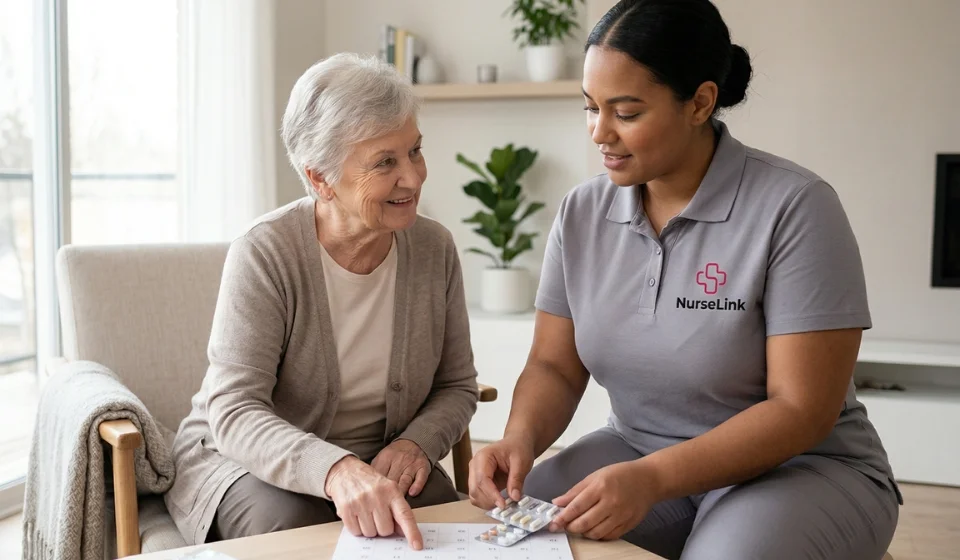
Mental health in old age is an important yet often overlooked aspect of overall wellbeing. As people age, emotional and psychological needs can change alongside physical health, creating a strong connection between body and mind. There are still common misconceptions that mental health challenges are a natural part of ageing, which can prevent early recognition and support. In reality, understanding how mental health evolves over time, encouraging open conversations, and recognising early signs can make a meaningful difference in improving quality of life for older adults.
Understanding The Emotional Challenges Seniors May Experience
Ageing often brings a series of life transitions that can affect emotional wellbeing. Retirement, changes in living arrangements, or the loss of loved ones can create feelings of uncertainty and grief. These experiences are a natural part of life, but when left unaddressed, they can contribute to mental health issues in old age.
At the same time, older adults may experience anxiety or depression linked to declining health or reduced independence. Emotional resilience can shift over time, making it more difficult to cope with stress or change. Recognising these patterns is essential in addressing mental health problems in old age early and effectively.
- Feelings of loss related to bereavement or life changes.
- Anxiety linked to health concerns or future uncertainty.
- Depression associated with isolation or reduced activity.
- Adjusting to changes in independence or mobility.
- Emotional impact of retirement or relocation.
The Quiet Impact Of Loneliness & Isolation
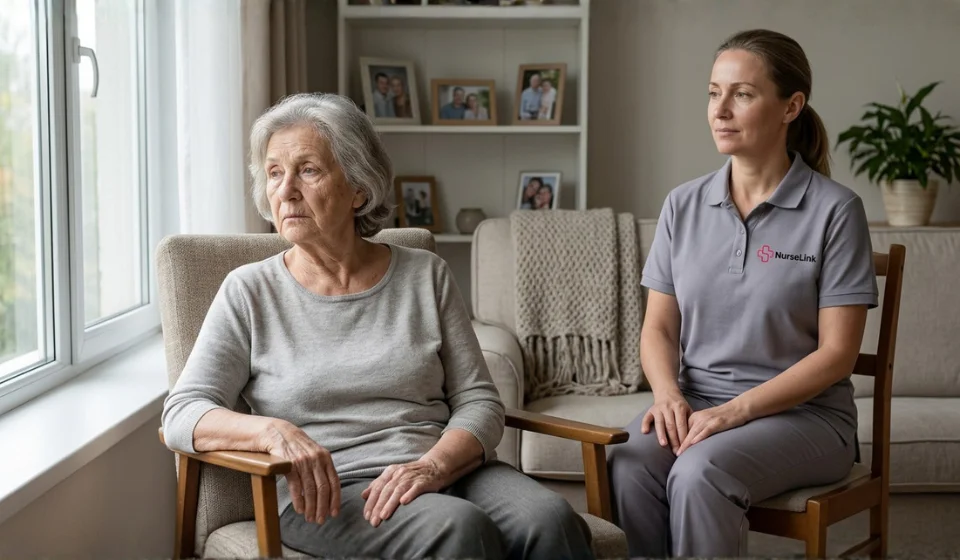
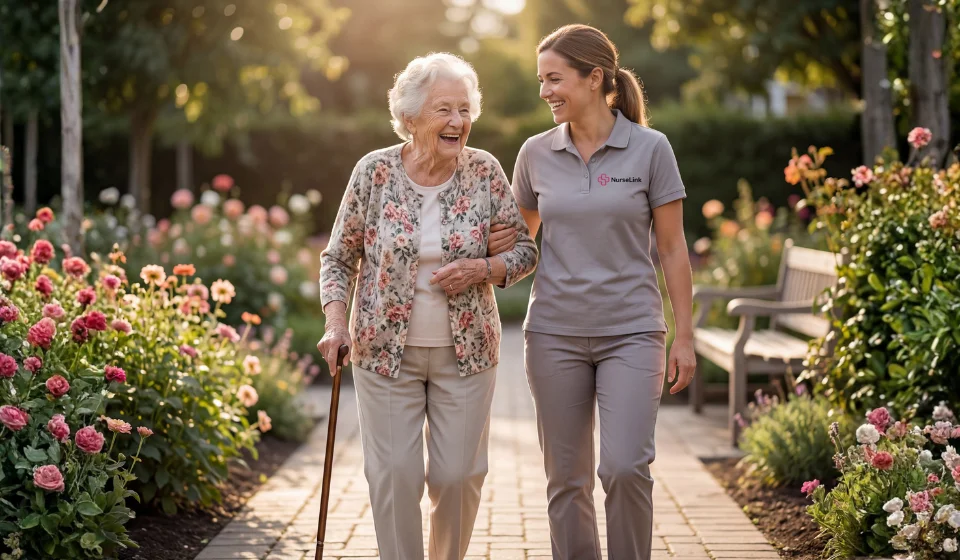
Loneliness is one of the most significant contributors to issues of mental health in seniors. As social circles become smaller due to retirement, relocation, or the loss of peers, older adults may experience reduced daily interaction. This isolation can have both emotional and physical consequences.
Beyond feelings of sadness, prolonged loneliness has been linked to increased risks of cognitive decline, poor physical health, and reduced overall wellbeing. Addressing social isolation is therefore a key step in supporting mental health in senior citizens.
- Limited social interaction leading to feelings of disconnection.
- Reduced opportunities for meaningful engagement.
- Emotional effects such as sadness, anxiety, or low self-worth.
- Increased risk of physical health decline due to isolation.
- Long-term impact on cognitive and emotional wellbeing.
Noticing Subtle Changes In Mood & Behaviour
Changes in mental health are not always obvious. In many cases, they appear gradually through subtle shifts in behaviour, mood, or daily habits. Being able to recognise these early signs is crucial in addressing mental health in seniors before issues become more serious.
Family members and caregivers are often the first to notice these changes. Paying attention to patterns rather than isolated incidents can help identify when additional support may be needed. Early awareness plays a key role in how to maintain mental health in old age.
- Withdrawal from social activities or reduced communication.
- Irritability, mood swings, or increased frustration.
- Changes in sleep patterns or appetite.
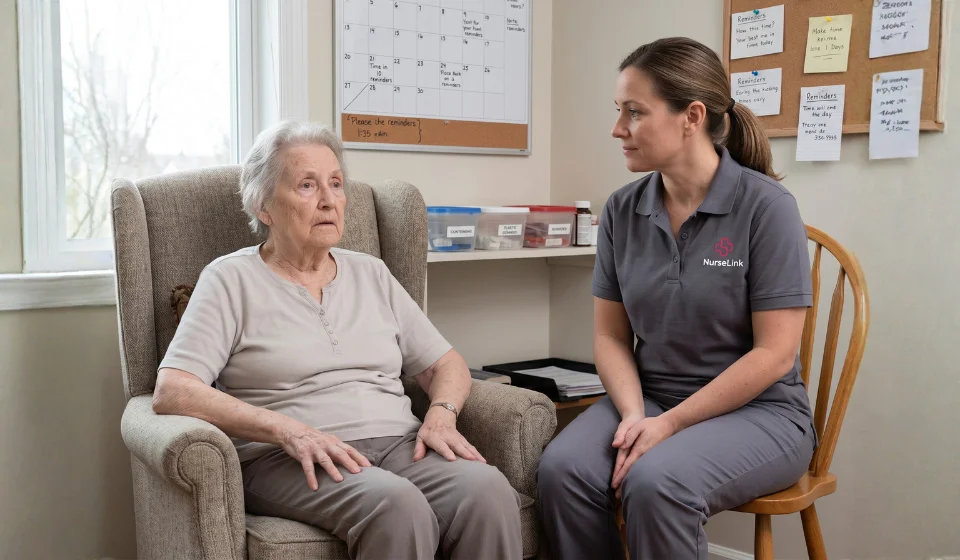
- Difficulty concentrating or increased forgetfulness.
- Gradual decline in interest in daily activities.
How Caregivers & Families Can Provide Support
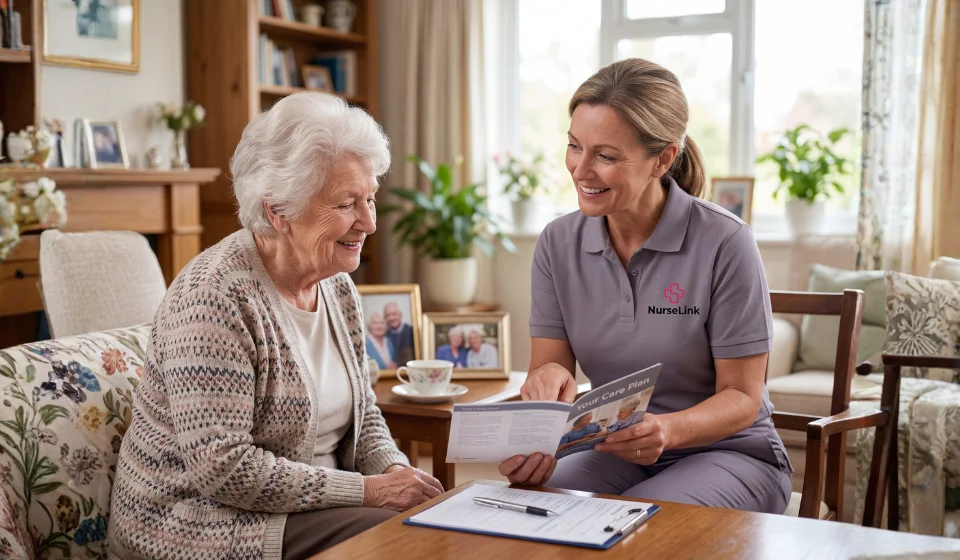
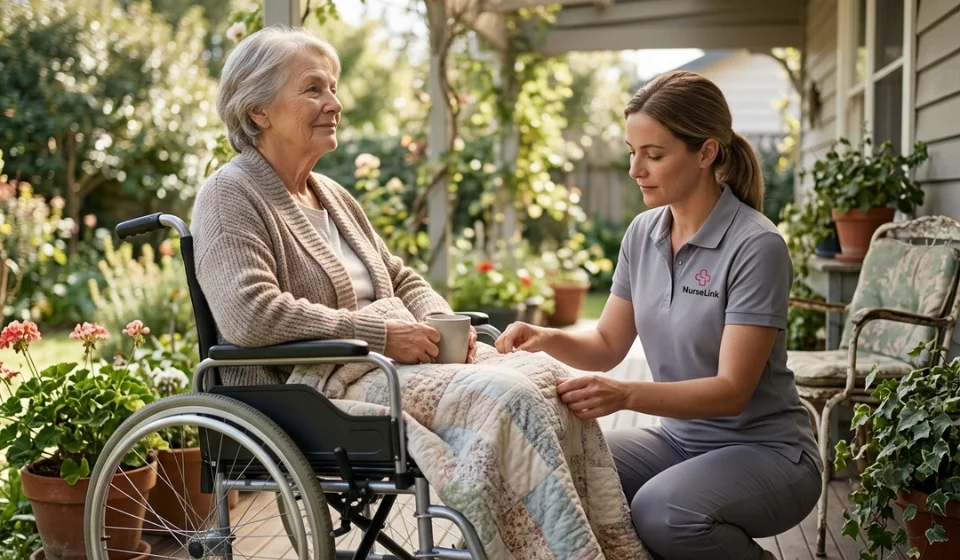
Caregivers and families play a vital role in supporting mental health in old age. Creating an environment where older adults feel heard, respected, and understood can significantly improve emotional wellbeing. Open communication helps individuals express their concerns without fear of judgement.
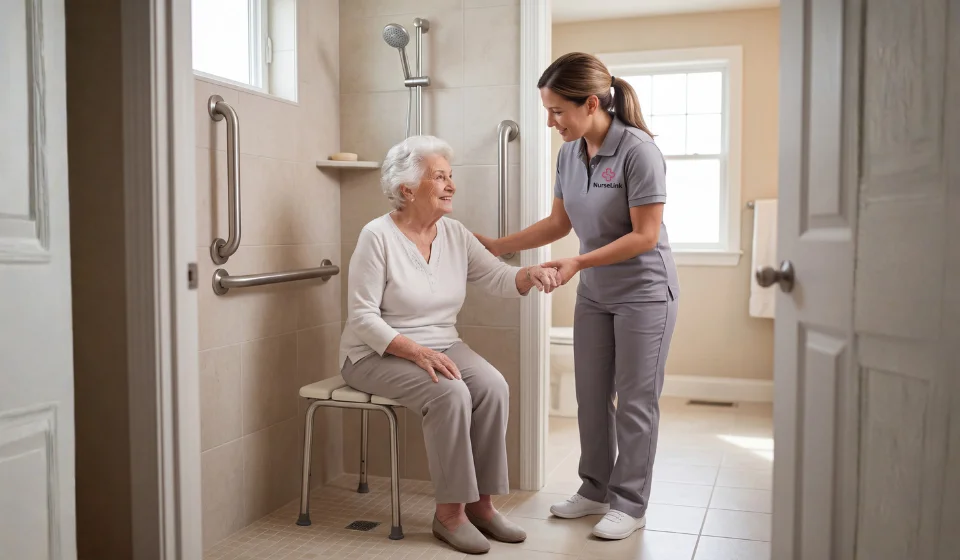
Providing consistent support does not mean taking over. Encouraging independence while offering reassurance allows seniors to maintain a sense of control and dignity. This balance is essential in how to improve mental health in old age and build long-term confidence.
Creating A Sense Of Connection & Daily Comfort
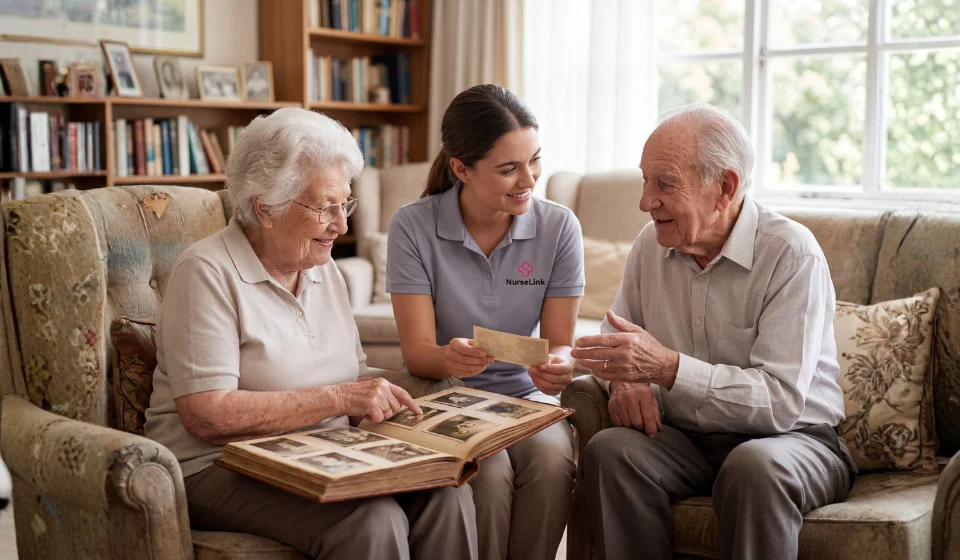
A sense of routine and connection can have a powerful impact on mental health. Simple daily structures provide familiarity and stability, helping older adults feel more secure and engaged. Activities that bring enjoyment or purpose can also improve emotional wellbeing.
Encouraging social interaction, whether through family visits, community groups, or hobbies, helps reduce feelings of isolation. Creating a comfortable and supportive living environment further enhances mental health in senior citizens by promoting both physical and emotional comfort.
When To Seek Professional Guidance
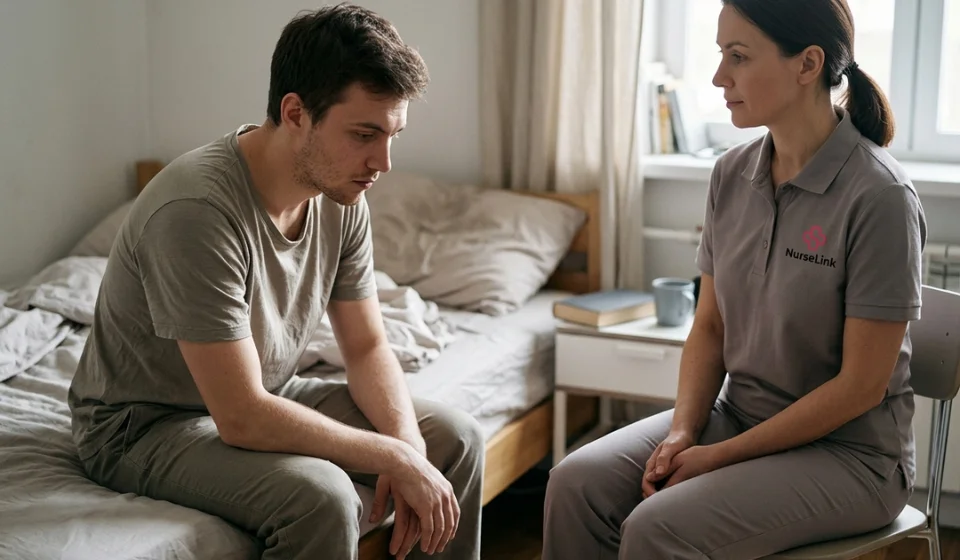
While family support is essential, there are times when professional help is needed. Persistent changes in mood, behaviour, or overall wellbeing should not be overlooked. Early intervention can prevent more serious mental health problems and provide access to appropriate care.
Healthcare professionals can offer assessments, treatment options, and ongoing support tailored to individual needs. Accessing these services is an important step in managing mental health problems in old age effectively.
- Ongoing feelings of sadness, anxiety, or hopelessness.
- Noticeable decline in daily functioning or self-care.
- Increased confusion or cognitive changes.
- Withdrawal from social interaction over extended periods.
- Difficulty coping with everyday activities or stress.
Moving Towards Dignity, Comfort, & Wellbeing
Supporting mental health in seniors requires a compassionate and person-centred approach. By focusing on individual needs, encouraging gradual progress, and promoting dignity and respect, it is possible to improve overall quality of life. With the right balance of support, awareness, and care, older adults can continue to experience comfort, connection, and emotional wellbeing in later life.