Ageing is a natural and lifelong process that brings both opportunities and challenges. In recent years, there has been a shift from simply focusing on lifespan to prioritising healthspan, which emphasises the quality of life in later years. Taking a proactive approach to physical, mental, and social wellbeing plays a key role in supporting individuals to live fulfilling and independent lives as they grow older. This approach is highly relevant not only for older adults but also for families and caregivers who play an important role in supporting healthy ageing journeys.
What Is Healthy Ageing & Why Is It Important?
Understanding what is healthy ageing involves looking beyond the absence of disease and focusing on the ability to maintain functional independence and overall wellbeing. From a clinical and public health perspective, healthy ageing is about enabling individuals to live safely, remain active, and participate in meaningful activities for as long as possible. It reflects the broader ageing well meaning, where quality of life is prioritised alongside longevity.
Healthy ageing also highlights the difference between natural ageing processes and preventable health decline. While some physical and cognitive changes are expected over time, many health issues can be managed or delayed through early intervention and lifestyle choices. This aligns with the concept of successful ageing meaning, which focuses on maintaining independence, engagement, and a high level of life satisfaction.
- Reduced risk of chronic diseases through preventive care.
- Improved mobility and physical function.
- Better cognitive health and mental clarity.
- Enhanced emotional wellbeing and resilience.
- Increased overall life satisfaction and independence.
Early lifestyle habits, including balanced nutrition, physical activity, and regular health check-ups, play a significant role in shaping long-term health outcomes.
Key Principles For A Fulfilling Life
A fulfilling ageing journey is built on a holistic approach that considers physical, mental, emotional, and social wellbeing. The positive ageing definition goes beyond physical health, emphasising purpose, connection, and adaptability as individuals navigate different stages of life.
- Maintaining a balance between physical, mental, and emotional health.
- Prioritising a sense of purpose and meaning in daily life.
- Engaging in lifelong learning and cognitive stimulation.
- Staying adaptable to life transitions such as retirement or health changes.
- Building resilience to cope with challenges and uncertainty.
- Encouraging independence while recognising when support is needed.
- Staying engaged in hobbies and meaningful activities.
- Developing healthy routines that promote wellbeing.
- Fostering a positive outlook towards ageing.
- Creating a supportive environment that encourages growth and connection.
These principles collectively shape what is positive active and healthy ageing, where individuals remain engaged, empowered, and fulfilled throughout later life.
Physical Health & Lifestyle Habits For Ageing Well
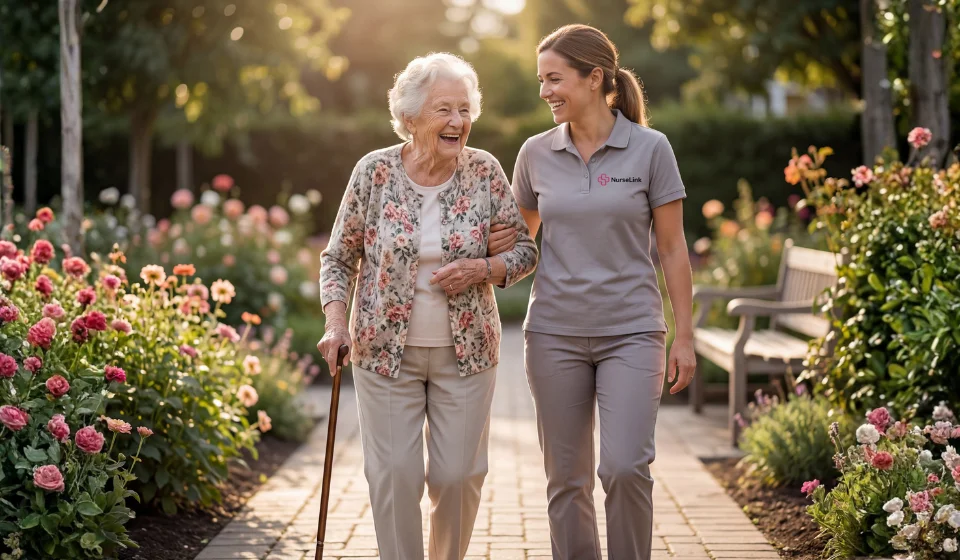
Maintaining physical health is a cornerstone of ageing well. Regular physical activity helps improve strength, flexibility, and balance, reducing the risk of falls and supporting mobility. Activities such as walking, light strength training, and stretching exercises can make a significant difference in maintaining independence and overall wellbeing.
Nutrition:
A balanced diet rich in essential nutrients supports energy levels, immune function, and overall health. Adequate hydration and mindful portion control are equally important in maintaining a healthy lifestyle as the body’s needs change with age.
Preventive Healthcare:
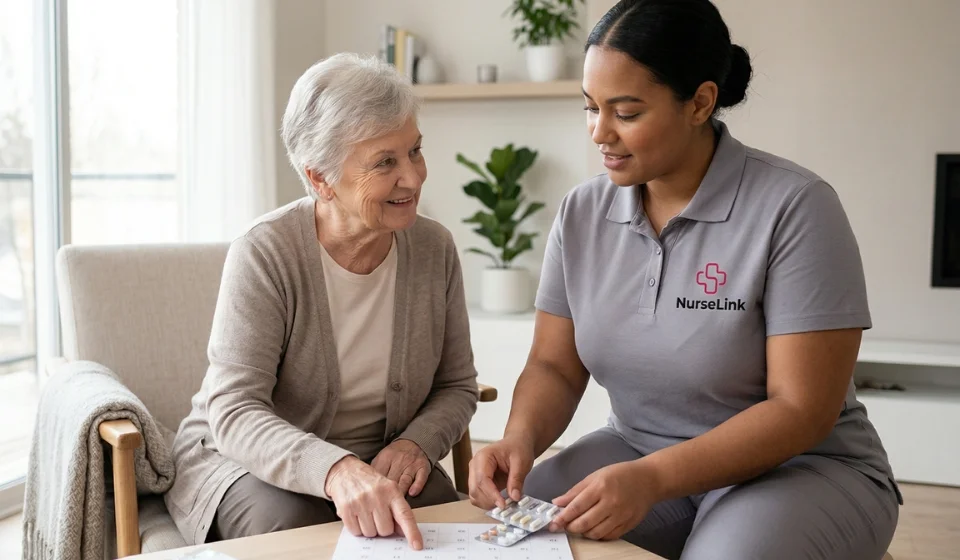
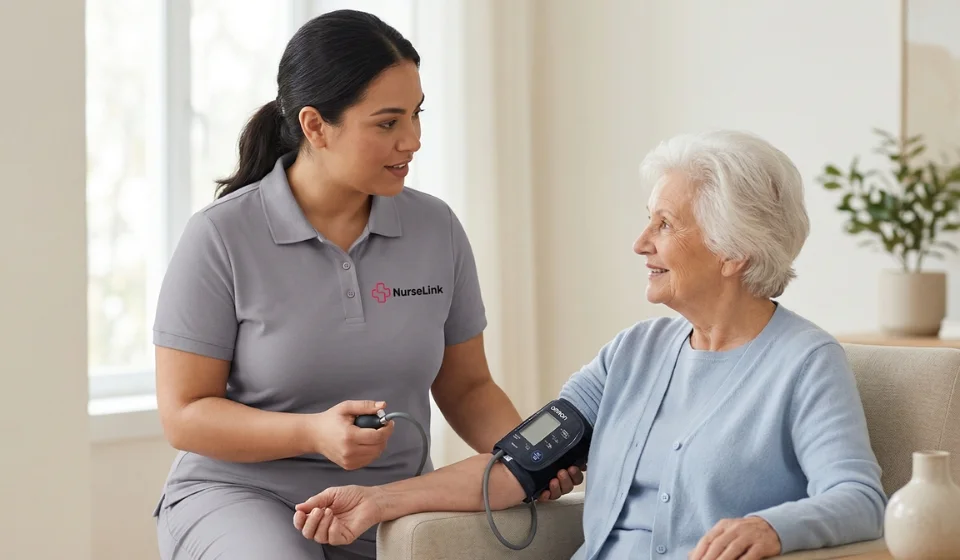
Routine health check-ups and screenings allow for early detection and management of potential health issues. Proper medication management is also crucial to ensure treatments are effective and safe.
Sleep quality plays a vital role in physical and mental health. Poor sleep can affect mood, cognitive function, and overall energy levels. Additionally, avoiding risk factors such as smoking, physical inactivity, and unhealthy dietary habits contributes significantly to long-term health outcomes. Understanding what does healthy aging look like often begins with these everyday habits that support sustained wellbeing.
Mental & Emotional Wellbeing In Ageing
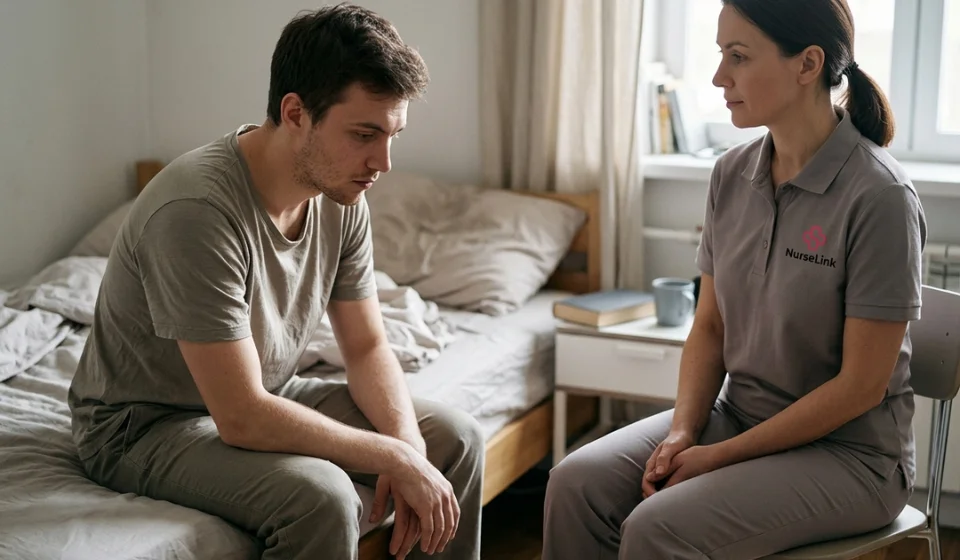
Mental and emotional wellbeing are essential components of healthy ageing. Older adults may face challenges such as anxiety, depression, or cognitive decline, often influenced by life transitions, health conditions, or social changes. Addressing these concerns early can significantly improve quality of life.
Developing emotional resilience and adopting healthy coping strategies can help individuals navigate these challenges. Practices such as mindfulness, relaxation techniques, and staying mentally active through reading or problem-solving activities contribute to improved mental health.
- Awareness of common mental health challenges including anxiety and depression.
- Importance of building emotional resilience and coping mechanisms.
- Role of mindfulness, relaxation, and stress management techniques.
- Recognising early signs of mental health concerns.
- Access to professional support and counselling services.
Reducing stigma around mental health is equally important. Encouraging open conversations and providing supportive environments can make it easier for older adults to seek help when needed.
The Role Of Social Connections & Purpose In Later Life
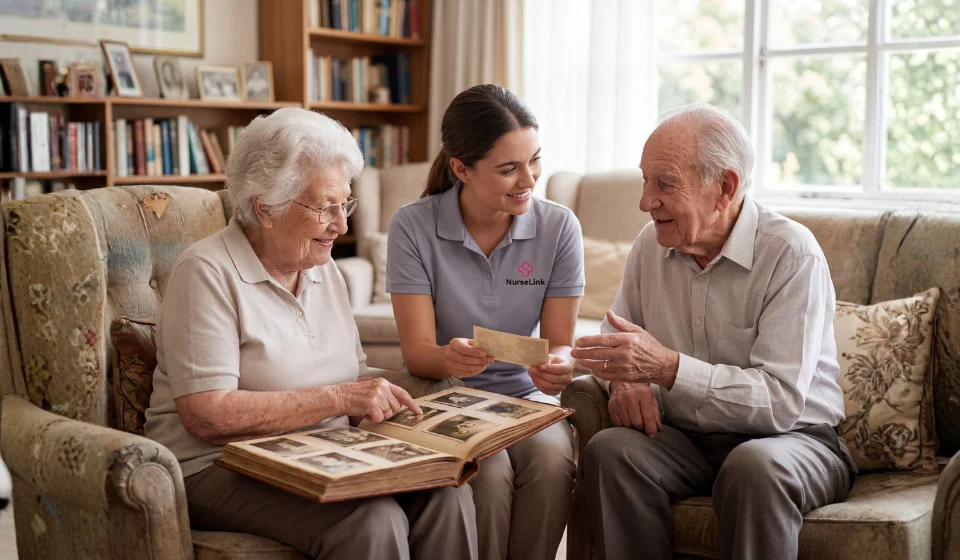
Social connections play a significant role in maintaining both physical and mental health. Loneliness and social isolation can negatively impact wellbeing, increasing the risk of depression and other health issues. Maintaining relationships with family, friends, and the wider community helps create a sense of belonging and emotional support.
Engaging in social, cultural, and recreational activities can enhance quality of life and provide opportunities for meaningful interaction. Volunteering or contributing to community initiatives can also foster a strong sense of purpose, which is closely linked to overall happiness.
Understanding how to stay happy in old age often involves staying socially connected and maintaining a sense of purpose. These elements contribute to a more fulfilling and balanced lifestyle, reinforcing the importance of community and engagement.
Maintaining Independence & Quality Of Life As You Age
Maintaining independence is a key factor in preserving dignity and confidence as individuals age. Being able to manage daily activities and make personal decisions contributes significantly to overall wellbeing and self-esteem.
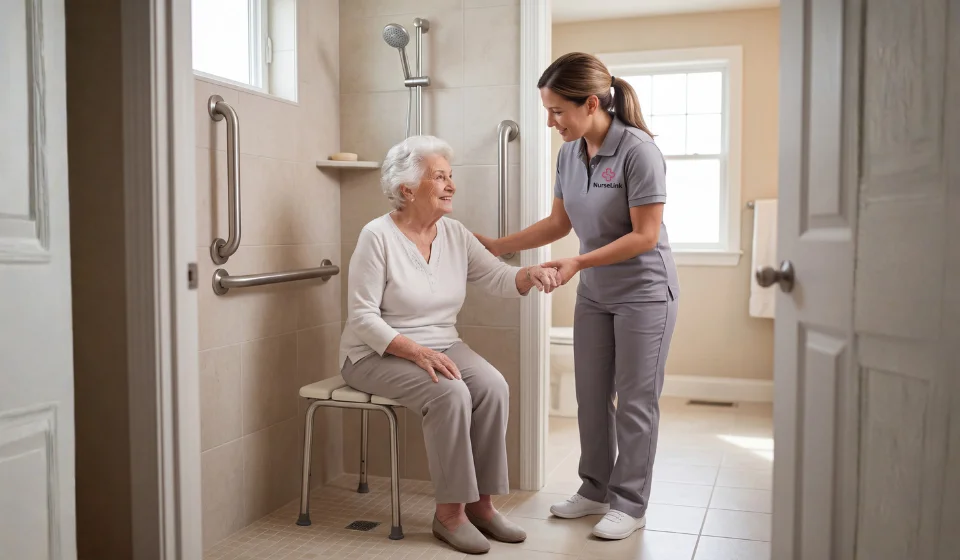
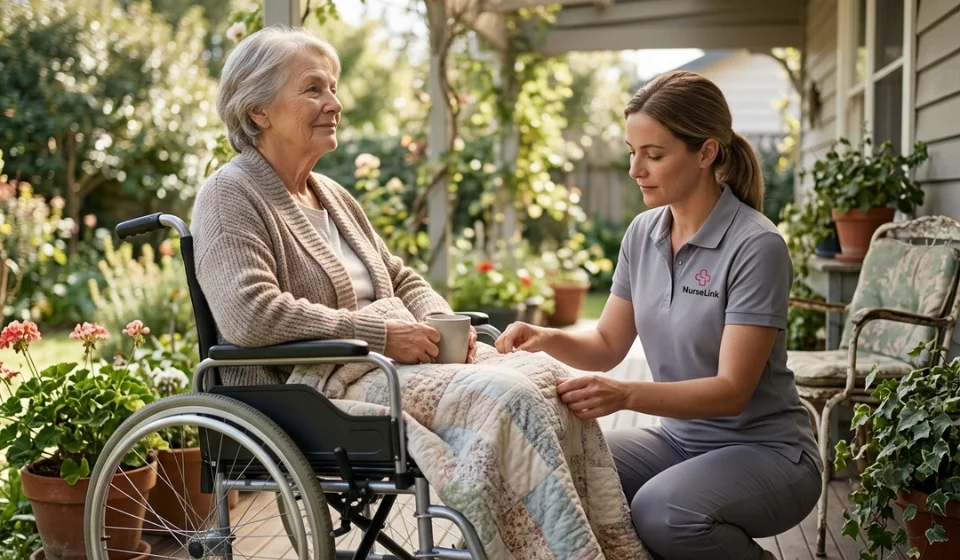
Home modifications and assistive technologies can enhance safety and accessibility, allowing individuals to continue living comfortably in their own environment. Simple adjustments, such as improved lighting, mobility aids, or safety installations, can reduce risks and support independence.
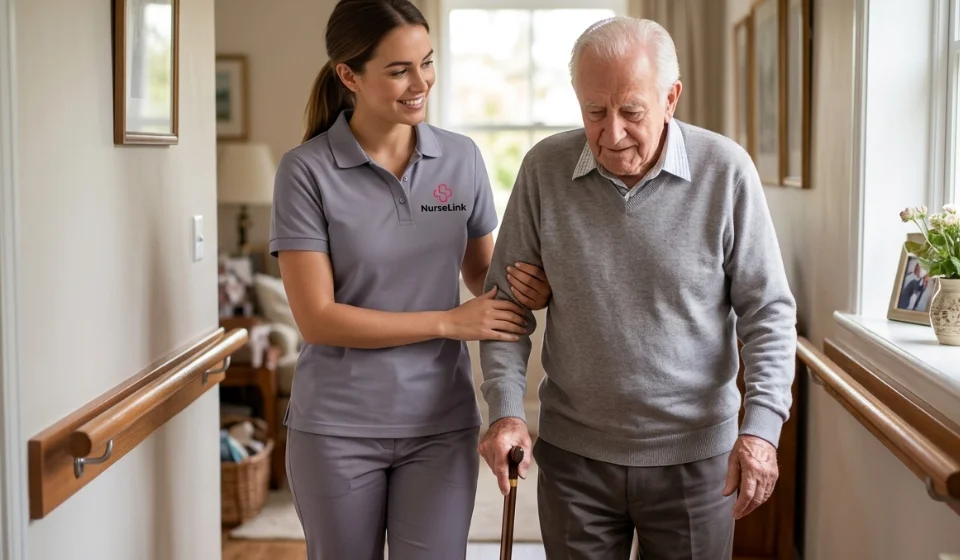
Access to community care, homecare services, and professional support also plays an important role. These services provide assistance while allowing individuals to retain control over their daily lives. Healthcare providers and caregivers contribute by offering personalised care that respects individual needs and preferences.
- Promoting independence to maintain confidence and dignity.
- Implementing home modifications and assistive technologies for safety.
- Accessing community care and homecare services.
- Supporting independence through professional healthcare and caregiving.
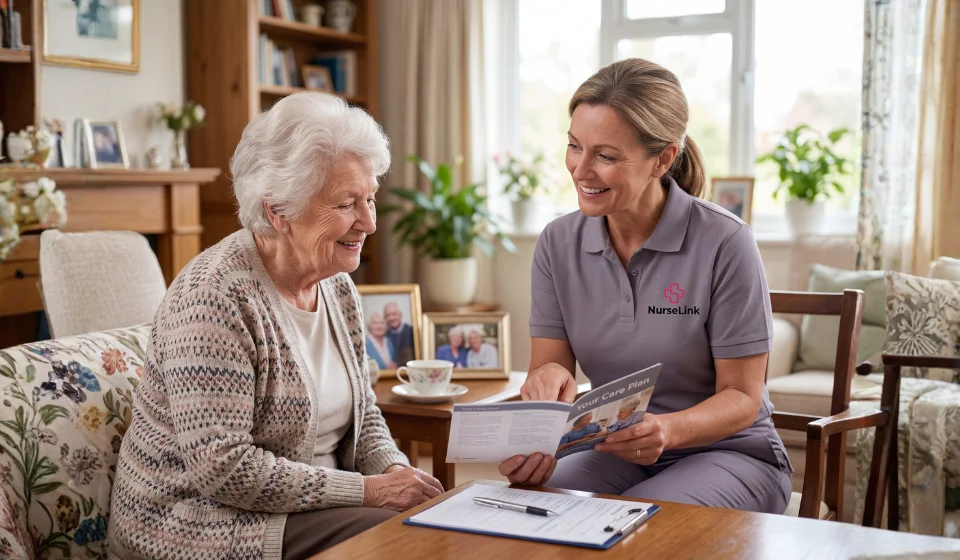
- Planning for future care needs while maintaining autonomy.
Planning for future needs ensures that individuals can adapt to changing circumstances while continuing to live with dignity and comfort.
Key Takeaways
Healthy ageing focuses on maintaining independence, overall wellbeing, and a high quality of life. A balanced lifestyle that supports both physical and mental health is essential, along with strong social connections and a sense of purpose. Early intervention and preventive care play a crucial role in improving long-term outcomes. By adopting a holistic, person-centred approach, individuals can experience a fulfilling and positive ageing journey that supports dignity, confidence, and happiness.