Depression in older adults is often misunderstood as a natural part of ageing, but persistent sadness, emotional withdrawal and hopelessness should never be considered normal. Across Australia, thousands of seniors experience mental health challenges that frequently go unnoticed or untreated because symptoms can appear differently in later life. Many older adults are reluctant to speak openly about emotional struggles, while families may mistake the signs for ageing, grief or physical illness. This guide is designed to help seniors, caregivers and families better understand depression in senior citizens and recognise when support is needed.
Depression In Seniors Is More Common Than You Think
Depression affects a significant number of older Australians, yet many cases remain undiagnosed due to stigma, isolation or confusion with other health conditions. While everyone experiences sadness occasionally, clinical depression is a serious medical condition that impacts emotional wellbeing, physical health and daily functioning. Early recognition and support can dramatically improve quality of life and long term outcomes.
- Depression affects many older Australians living independently, in aged care facilities and within community care programs.
- Symptoms are often mistaken for normal ageing, dementia, grief or chronic illness.
- Seniors may express depression through physical complaints instead of emotional distress.
- Untreated depression in older adults usually leads to worsening physical health, reduced independence and social withdrawal.
- Early intervention improves emotional wellbeing, physical recovery and overall quality of life.
Why Are Older Adults More Vulnerable?
Older adults often face major life changes that can increase emotional stress and vulnerability to depression. Retirement may lead to a loss of routine, purpose or social connection, while the death of friends or partners can create deep loneliness and grief. Social isolation becomes more common as mobility decreases or family members move away. Chronic pain, declining health and long term medical conditions can also contribute significantly to emotional distress. Understanding the causes of depression in older adults is essential for recognising risk factors early and offering appropriate support.
The Role of Biology & Brain Chemistry
Ageing affects the brain in several ways, including changes in neurotransmitters responsible for mood regulation. Lower levels of serotonin and dopamine may increase vulnerability to depression and anxiety in seniors. Certain medications used to manage chronic illnesses can also contribute to depressive symptoms, particularly when multiple medications are taken together.
Hormonal shifts, neurological changes and reduced cognitive function may further impact emotional wellbeing. These biological factors often interact with emotional and social challenges, creating a more complex mental health picture in older adults.
Signs & Symptoms To Watch Out For
The symptoms of depression in older adults may not always appear as obvious sadness. Many seniors express emotional distress through physical symptoms, changes in behaviour or withdrawal from everyday activities. For family members and caregivers, recognising the warning signs early can make a meaningful difference in accessing timely treatment and support.
Emotional & Behavioural Signs
Some of the most common elderly depression symptoms include persistent feelings of sadness, hopelessness or worthlessness. Older adults may begin expressing that they feel like a burden to others or lose interest in activities they once enjoyed.
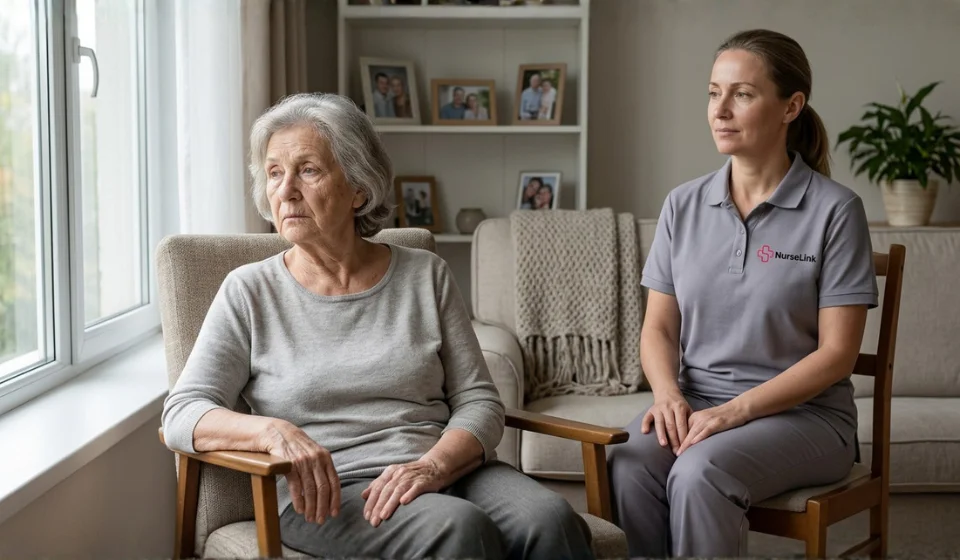
Social withdrawal is another significant warning sign. Seniors may stop attending social events, avoid phone calls or isolate themselves from family and friends. Increased irritability, agitation or unexplained emotional outbursts can also indicate underlying depression, even when sadness is not openly expressed.
Physical Signs That Are Often Missed
Depression can also present through physical symptoms that are easily mistaken for ageing or medical conditions. Fatigue, body aches, headaches and sleep disturbances are common signs that may not initially appear related to mental health.
Changes in appetite or significant weight gain or loss can also occur. Some seniors may experience slowed speech, reduced movement or difficulty concentrating, which can resemble symptoms of neurological conditions. Families should pay close attention to these subtle changes, particularly when several symptoms appear together.
How It Differs From Depression in Younger Adults?
Depression does not look the same across every age group. Younger adults are often more likely to describe feelings of sadness or emotional distress openly, while seniors may focus primarily on physical discomfort or tiredness. This difference can make diagnosis far more challenging in older populations.
In many cases, depression overlaps with grief, chronic illness or cognitive decline, making symptoms harder to identify. Seniors may also avoid discussing emotional struggles due to stigma or fear of appearing weak. Recognising these differences is essential when assessing signs of severe depression in elderly individuals.
The Risk Of Misdiagnosis
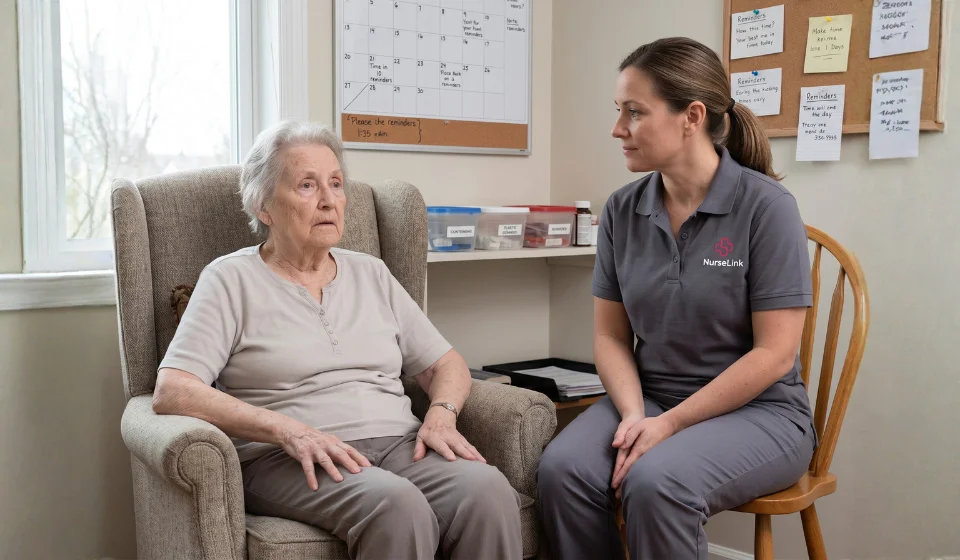
Depression is frequently mistaken for dementia, memory loss or normal ageing, particularly when symptoms involve confusion, withdrawal or slowed thinking. Unfortunately, this can lead to undertreatment and worsening emotional and physical health.
Without proper care, depression in older adults usually leads to increased isolation, poorer health outcomes and reduced quality of life. A comprehensive assessment by a GP, psychologist or mental health specialist is important to rule out other medical conditions and develop an appropriate treatment plan.
Treatment Options That Actually Work
Depression in seniors is highly treatable, especially when recognised early and managed through a personalised approach. Effective treatment often involves a combination of medical support, emotional care, lifestyle adjustments and ongoing social connection. Every individual experiences depression differently, which is why treatment plans should be tailored to their unique circumstances and needs.
Therapy & Psychological Support
Cognitive behavioural therapy has been shown to be highly effective in helping older adults manage negative thought patterns and emotional distress. Counselling and talk therapy can also provide seniors with a safe space to process grief, loneliness and anxiety.
Many Australians benefit from peer support groups and community mental health programs designed specifically for older adults. Group settings can reduce isolation and help seniors feel understood and connected to others facing similar experiences.
Medication & Medical Management
In some cases, antidepressants may be recommended as part of treatment for depression in elderly patients, including medication support alongside therapy and lifestyle changes. Medication decisions should always be carefully monitored due to the increased risk of side effects and interactions with existing prescriptions.
Doctors may also review current medications to identify whether any treatments could be contributing to depressive symptoms. Ongoing follow-up appointments are important to assess progress, monitor side effects and adjust treatment where necessary.
Lifestyle Changes That Make A Real Difference
Simple lifestyle adjustments can significantly improve emotional well-being in older adults. Regular physical activity, even gentle walking or stretching, can boost mood, improve sleep and increase energy levels.
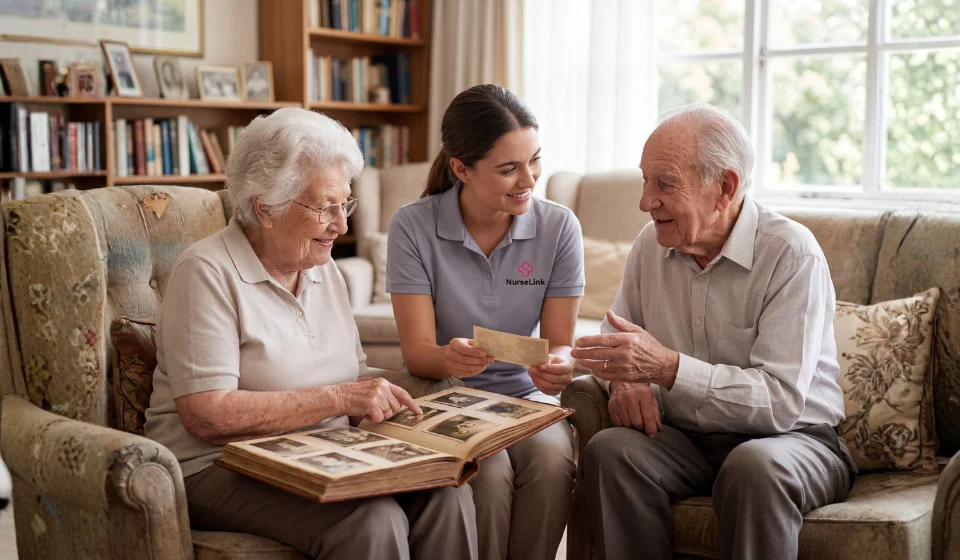
Maintaining social connections is equally important. Community activities, hobbies, volunteering and regular family interaction can help reduce loneliness and provide emotional purpose. Good nutrition, healthy sleep habits and reducing alcohol intake also play a key role in mental health management.
Mindfulness practices, art therapy, music programs and community engagement initiatives are increasingly being used across Australia to support emotional wellbeing in seniors.
How Family & Caregivers Can Help
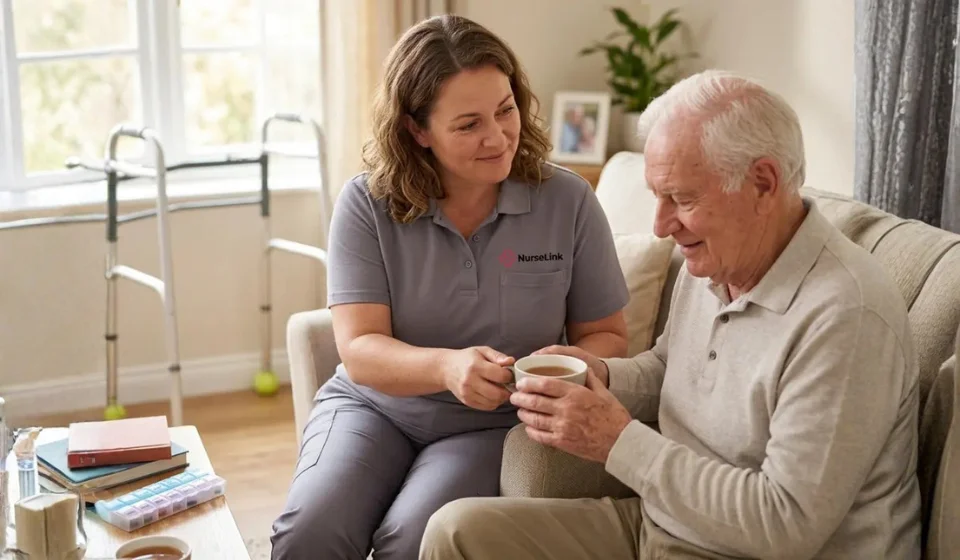
A supportive home environment can make an enormous difference for someone struggling with depression. Families and caregivers are often the first to notice emotional or behavioural changes, which places them in a valuable position to encourage support and understanding.
Knowing how to help a depressed elderly parent begins with patience, empathy and open communication. Many seniors may feel embarrassed discussing mental health, so gentle and respectful conversations are essential. Encouraging social interaction, helping maintain routines and reducing isolation can all positively influence emotional well-being.
What Not To Say & What Actually Helps
Dismissive comments such as “just cheer up” or “you have so much to be grateful for” can unintentionally make seniors feel misunderstood or invalidated. Depression is not simply sadness that can be switched off through positive thinking.
Instead, families should focus on listening without judgment and acknowledging their loved one’s feelings openly and compassionately. Encouraging professional support in a calm and non-pressure way can help seniors feel supported rather than criticised.
When To Seek Professional Help?
Family support is important, but there are times when professional intervention becomes necessary. Persistent hopelessness, social withdrawal, worsening physical symptoms or talk of self-harm should never be ignored. If symptoms begin interfering with daily functioning or personal safety, it is essential to seek medical support promptly.
A GP can provide mental health assessments, referrals to psychologists and access to Medicare-supported mental health care plans in Australia. Seniors may also benefit from aged care mental health services, community programs and specialised counselling support.
Most importantly, families should remember that depression is treatable at any age. With the right care, connection and professional support, older adults can regain confidence, emotional stability and a better quality of life.