A Parkinson’s disease diagnosis often changes life for the entire family, not just the person receiving the diagnosis. Across Australia, the number of people living with Parkinson’s continues to grow, which means more families are stepping into caregiving roles without fully knowing what lies ahead. From managing physical symptoms to navigating emotional stress and everyday responsibilities, caregiving for parkinsons disease can become both rewarding and deeply challenging. Understanding the journey early can make a meaningful difference for both caregivers and loved ones.
What You Need to Know Before You Begin?
Becoming a caregiver is far more than helping with daily tasks. It involves emotional resilience, patience, adaptability and long-term commitment. Many carers underestimate how physically and mentally demanding the role can become over time, especially as symptoms progress. Building a reliable support network early, including healthcare professionals, family members and community services, can reduce stress and prevent isolation. It is also important to set realistic expectations from the beginning and ask doctors practical questions about medications, future symptom progression, mobility changes and available support services.
Understanding Parkinson's Disease & How It Progresses
Parkinson’s disease is a progressive neurological condition that affects the brain’s ability to control movement. It develops when dopamine-producing nerve cells become damaged or die, leading to symptoms that gradually worsen over time. While many people associate Parkinson’s with tremors, the condition also affects mood, sleep, cognition and overall quality of life. Understanding both the physical and non-physical symptoms is essential when developing effective parkinson’s disease care strategies.
The Five Stages of Parkinson's Disease
Parkinson’s disease generally progresses through five stages, although every person experiences the condition differently. In the early stages, symptoms are often mild and may only affect one side of the body. As the disease progresses, balance issues, stiffness and movement difficulties become more noticeable.
During the middle stages, individuals may require help with everyday tasks such as dressing, bathing or cooking. In the later stages, mobility becomes significantly limited, and many people need full time care and supervision. Understanding these stages helps caregivers prepare emotionally and practically for changing care needs.
Motor vs Non-Motor Symptoms
Motor symptoms are the most visible signs of Parkinson’s disease and include tremors, muscle rigidity, slowed movement and balance difficulties. These symptoms can make simple daily activities increasingly difficult and raise the risk of falls and injuries.
Non-motor symptoms are often less recognised but can be equally challenging. Many people experience sleep disturbances, anxiety, depression, memory issues and cognitive decline. Some individuals may also struggle with communication difficulties and emotional changes, which can place additional stress on family relationships and caregiving routines.
Managing Symptoms & Daily Routines
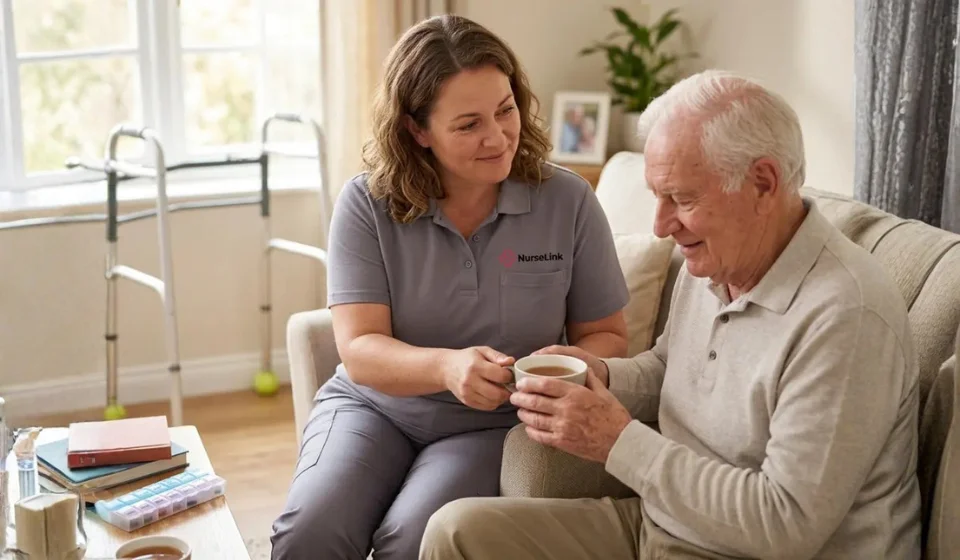
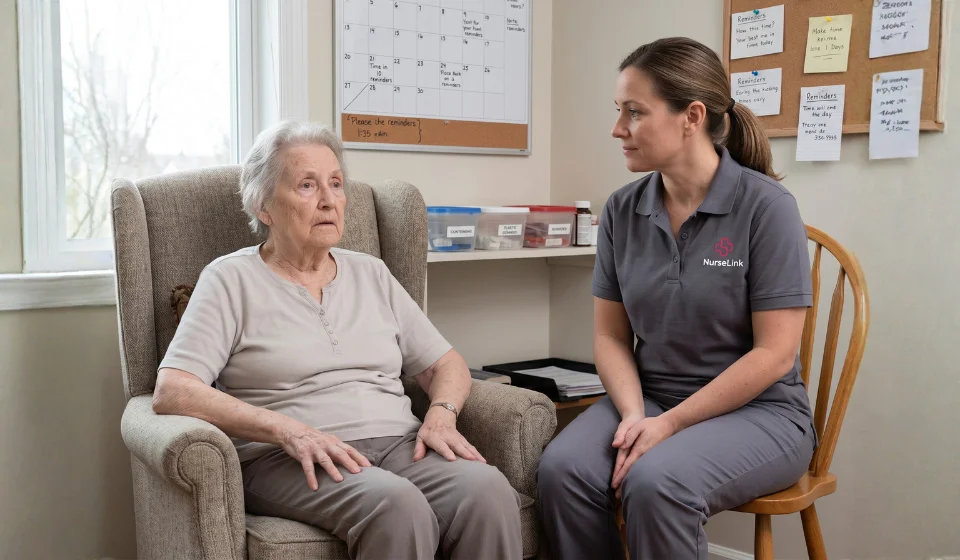
Structure and consistency play an important role in managing Parkinson’s disease symptoms. Daily routines can help reduce confusion, improve medication effectiveness and create a greater sense of stability for the person receiving care. As symptoms change over time, caregivers may need to regularly adjust routines and support methods to maintain comfort and independence.
Successful caregiving for parkinsons disease often involves balancing medical needs with emotional support and practical daily care. Small adjustments to routines can make daily life safer, easier and less stressful for everyone involved.
Medication Management & Timing
Medication timing is one of the most important aspects of Parkinson’s care. Many Parkinson’s medications must be taken at very specific times to effectively manage symptoms and maintain mobility throughout the day. Missing doses or taking medication late can result in increased stiffness, tremors or reduced movement.
Caregivers can use phone reminders, medication charts or pill organisers to keep schedules consistent. Keeping a written record of side effects, symptom changes and medication responses can also help doctors make informed adjustments to treatment plans.
Mobility, Exercise & Fall Prevention
Regular exercise is highly beneficial for people living with Parkinson’s disease. Activities such as walking, stretching, physiotherapy exercises, swimming and balance training can help maintain mobility, flexibility and muscle strength. Exercise may also improve mood and reduce feelings of isolation.
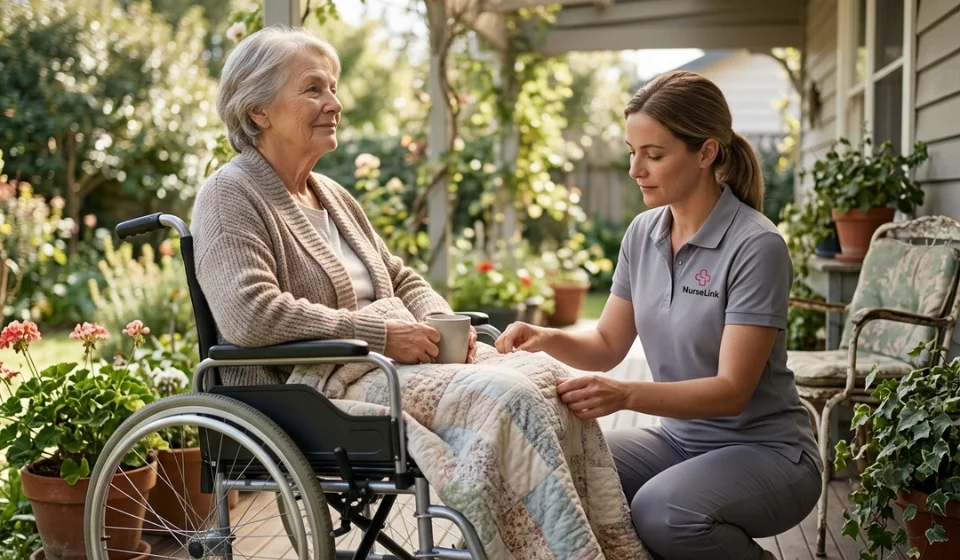
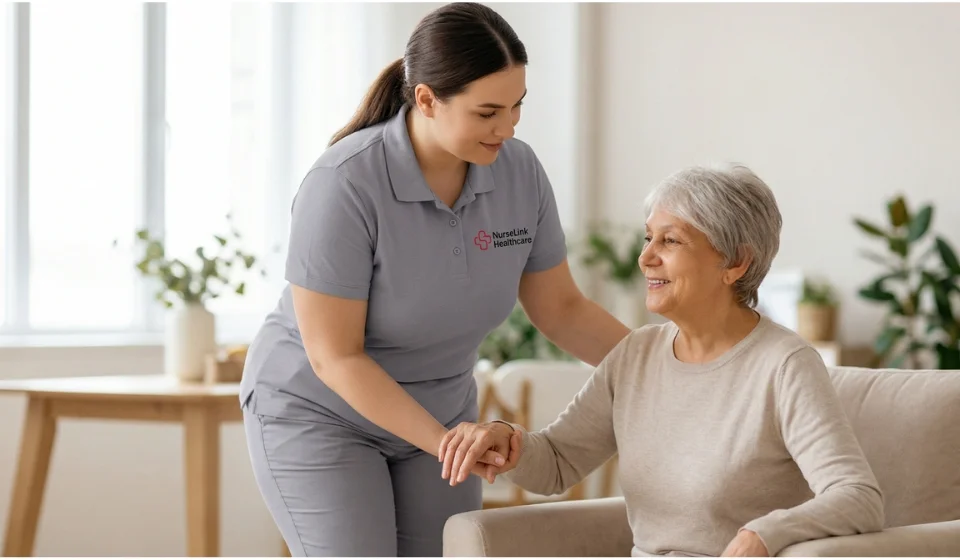
Caregivers should learn safe movement techniques to assist with standing, walking and transferring between chairs or beds. Removing household hazards, installing handrails and encouraging the use of mobility aids can significantly reduce the risk of falls.
Nutrition & Swallowing Difficulties
A balanced diet can support overall health and energy levels for people living with Parkinson’s disease. Foods rich in fibre, hydration and nutrient-dense ingredients may help manage constipation and maintain wellbeing. Some individuals may also need to avoid certain foods that interfere with medication absorption.
Swallowing difficulties, known as dysphagia, can develop as Parkinson’s progresses. Caregivers should watch for coughing during meals, choking risks or prolonged eating times. Softer foods, smaller bites and supervised mealtimes may improve safety. Assistance with personal hygiene, grooming and dressing may also become necessary as mobility declines.
Emotional & Mental Health Challenges
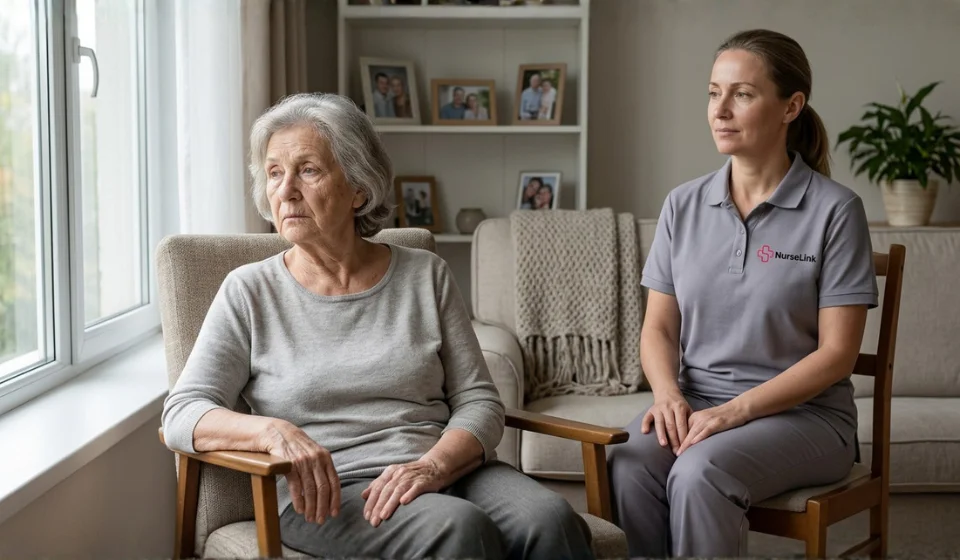
The emotional impact of Parkinson’s disease is often overlooked compared to the physical symptoms. Many individuals living with Parkinson’s experience depression, anxiety, frustration and emotional withdrawal as they cope with changing abilities and loss of independence. Caregivers may also feel overwhelmed, isolated or emotionally exhausted while trying to provide constant support.
Recognising emotional changes early is an important part of everything you need to know about caregiving for parkinson’s disease. Open communication, emotional reassurance and professional mental health support can improve wellbeing for both caregivers and patients.
Caregiver Burnout
Caregiver burnout can happen gradually and may go unnoticed until stress becomes overwhelming. Common warning signs include chronic fatigue, irritability, sleep problems, emotional numbness and feelings of hopelessness. Ignoring these signs can negatively affect both the caregiver and the person receiving care.
Protecting your own mental health is not selfish. Taking regular breaks, asking for help and maintaining social connections are essential for long term caregiving sustainability. Support groups and respite care services can provide emotional relief and practical assistance.
Communication may also become more difficult as speech changes develop. Caregivers should remain patient, maintain eye contact and allow extra time for conversations. Supporting the emotional wellbeing of the entire family is equally important, especially when children or partners are adjusting to major lifestyle changes.
Practical Tips For Keeping the Home Safe & Comfortable
Home modifications are often necessary as Parkinson’s disease progresses. Creating a safer environment can improve independence, reduce injury risks and make daily caregiving more manageable.
Room-by-Room Safety Guide
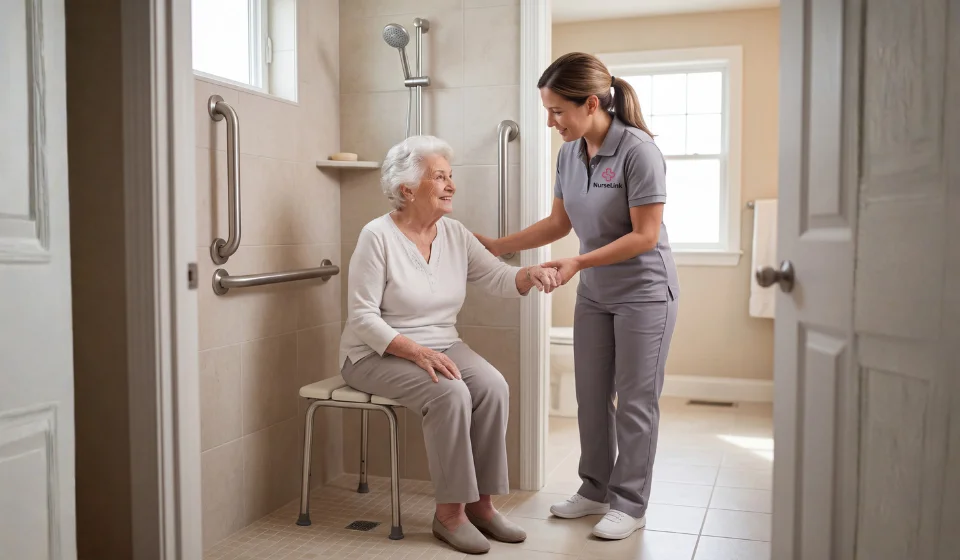
Bathrooms are one of the highest risk areas for falls, so installing grab rails, non-slip mats and shower seating can greatly improve safety. In bedrooms, adjustable beds, bedside lighting and clear walking paths may help with nighttime mobility.
Living spaces should have stable furniture, minimal clutter and adequate lighting throughout the home. Loose rugs and slippery flooring should be removed wherever possible. Mobility aids such as walkers, transfer chairs and lift assist devices can also improve daily safety and comfort.
Technology can further ease caregiving responsibilities. Smart home systems, medication reminders, emergency alert devices and remote monitoring tools may help caregivers provide safer and more responsive support.
When To Consider Professional Or Specialised Care?
There may come a point when home-based caregiving is no longer enough to safely manage a loved one’s needs. Recognising this transition early can help families make informed decisions without waiting for a crisis situation.
Signs That It's Time to Seek Additional Support
Frequent falls, worsening mobility, increased confusion, caregiver exhaustion and growing medical needs are all signs that additional support may be necessary. Emotional strain and safety concerns should never be ignored.
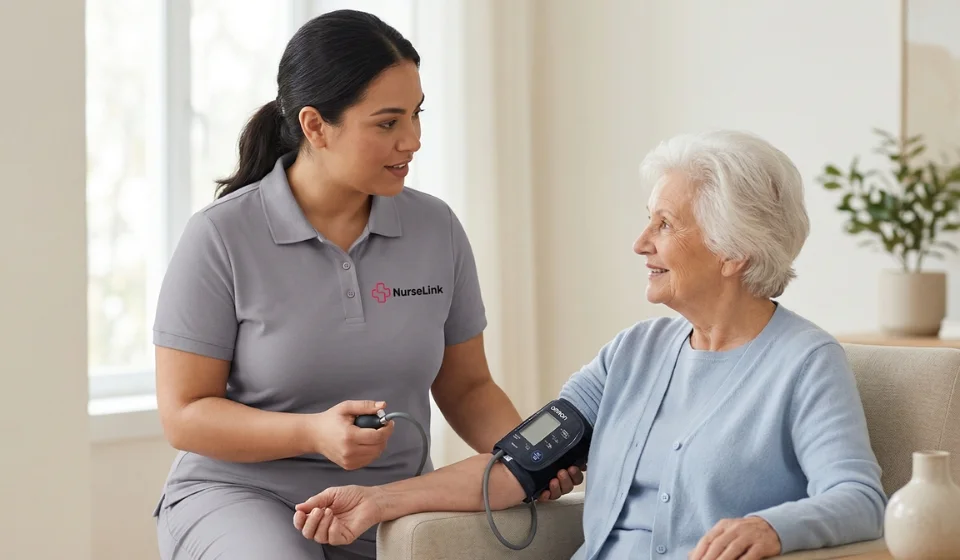
Professional care options in Australia may include in-home nursing support, respite care, specialist Parkinson’s services, aged care programs and disability support through the NDIS. Understanding funding pathways and available services can make long-term care planning less overwhelming.
Having conversations about professional care can be emotionally difficult. Approaching these discussions with empathy, honesty and reassurance can help loved ones feel respected and included in the decision-making process.
Final Thoughts
Caregiving is one of the most meaningful acts of support a person can provide, but it also comes with emotional, physical and mental demands that should never be overlooked. Families managing Parkinson’s disease should remember they do not have to navigate the journey alone. Across Australia, there are healthcare providers, support groups, respite services and community programs available to help both caregivers and individuals living with Parkinson’s maintain dignity, safety and quality of life.