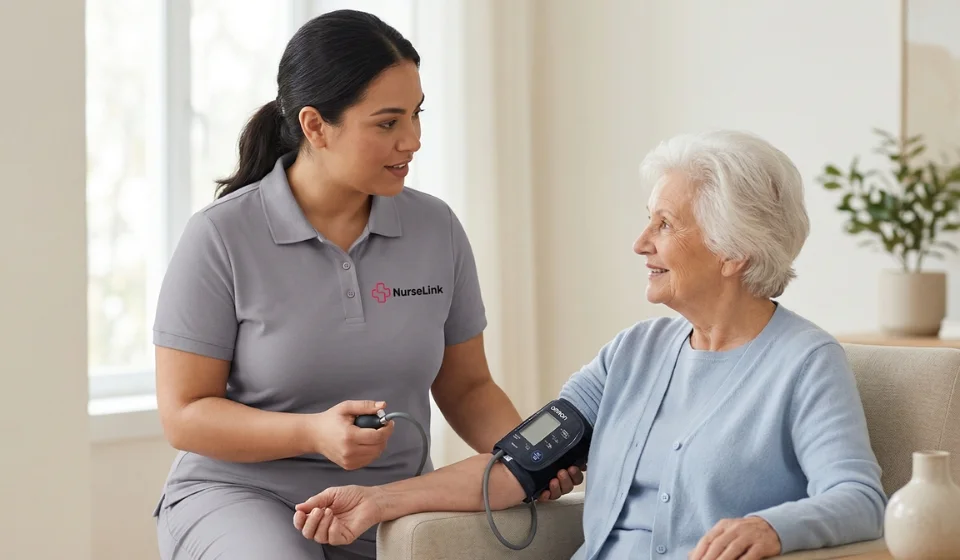
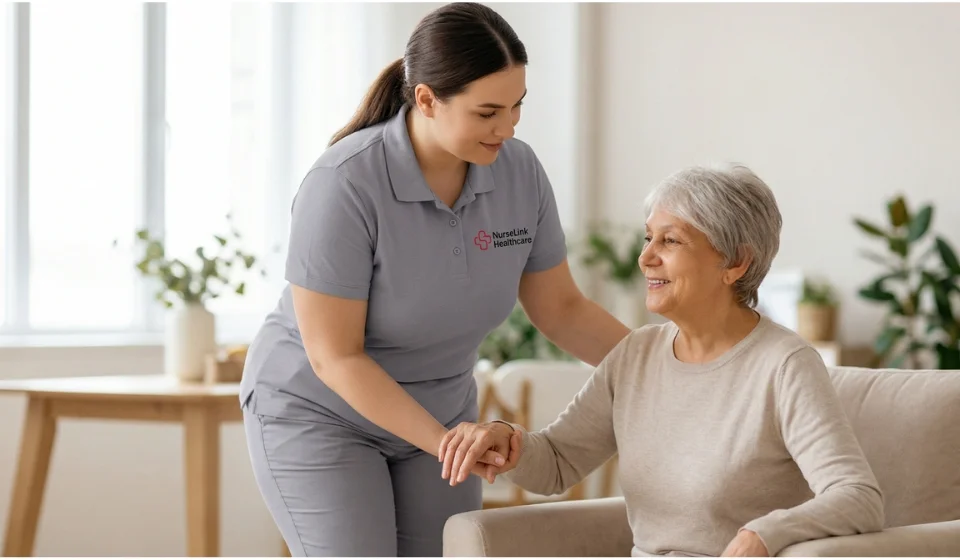
Creating a safe and accessible home environment is an important part of supporting healthy ageing and long term independence for older adults. As mobility, balance, vision, and strength change with age, everyday household tasks and movements can become more challenging and increase the risk of injury. Thoughtful home modifications can help reduce these risks while improving comfort, confidence, and quality of life for seniors who wish to remain living in familiar surroundings. Preventative safety measures also play an essential role in helping older individuals maintain independence while reducing the likelihood of falls, hospitalisations, and ongoing health complications.
Why Home Safety Matters For Elderly Living
Ageing can bring physical and cognitive changes that affect how safely seniors move around their homes. Reduced mobility, muscle weakness, joint pain, poor balance, and changes in vision can make routine activities such as walking, bathing, or using stairs more difficult over time. Even minor household hazards can significantly increase the risk of falls or injuries for elderly individuals.
Falls are one of the most common causes of injury among older Australians and can lead to fractures, hospital admissions, reduced confidence, and loss of independence. This is why early home safety planning and practical modifications are so important for supporting long term wellbeing and helping seniors remain comfortable at home for as long as possible.
- Mobility and balance changes can increase the risk of falls and household injuries.
- Poor lighting and cluttered spaces may create unsafe living conditions for seniors.
- Safe home environments help support independence, confidence, and emotional wellbeing.
- Early safety modifications may reduce the likelihood of hospitalisation or long term complications.
- Personalised safety planning can improve comfort and quality of life for ageing adults.
Many families seeking help for elderly to stay in own home begin by assessing safety risks and making practical changes that support safer daily living.
Common Safety Risks Seniors Face At Home
Several common household hazards can become dangerous for elderly individuals, particularly those with mobility limitations, chronic health conditions, or reduced vision. Slippery flooring, loose rugs, uneven surfaces, and cluttered walkways are among the leading causes of falls inside the home. Bathrooms and stairways are especially high risk areas due to moisture, limited support structures, and restricted movement spaces.
Poor lighting can also affect safety by making it more difficult for seniors to identify obstacles or safely navigate rooms at night. Difficulty reaching cupboards, accessing entryways, or moving through narrow spaces can create additional challenges for individuals using walking aids, wheelchairs, or mobility equipment.
Limited accessibility within the home may lead seniors to avoid certain areas altogether, reducing independence and increasing reliance on caregivers. Understanding these risks early allows families to introduce safer layouts and practical home accessibility modifications for seniors before injuries or mobility problems become more severe.
Essential Home Modifications For Safer Living
Making targeted safety improvements throughout the home can significantly reduce injury risks while improving accessibility and comfort for elderly individuals. Many home modifications for elderly or disabled individuals focus on supporting safer movement, reducing fall hazards, and making everyday tasks easier to manage independently.
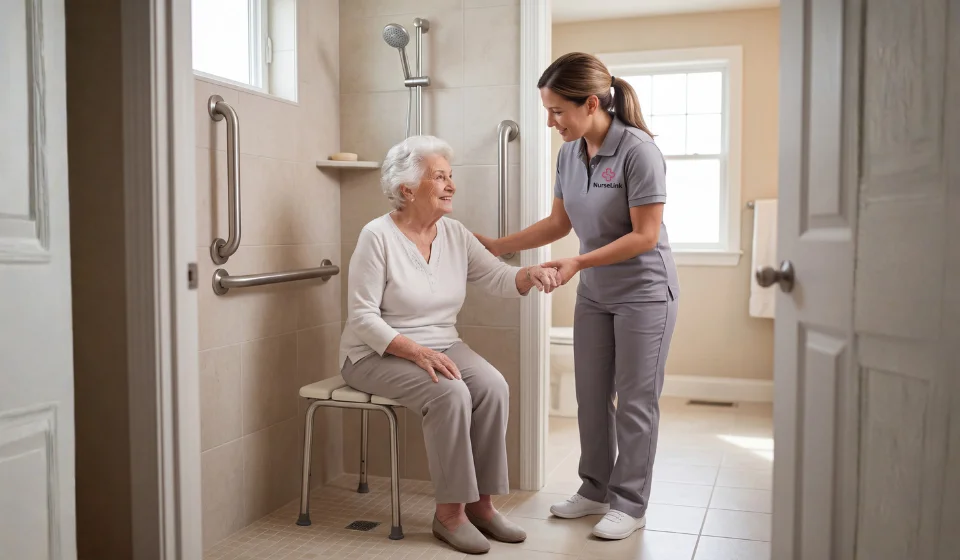
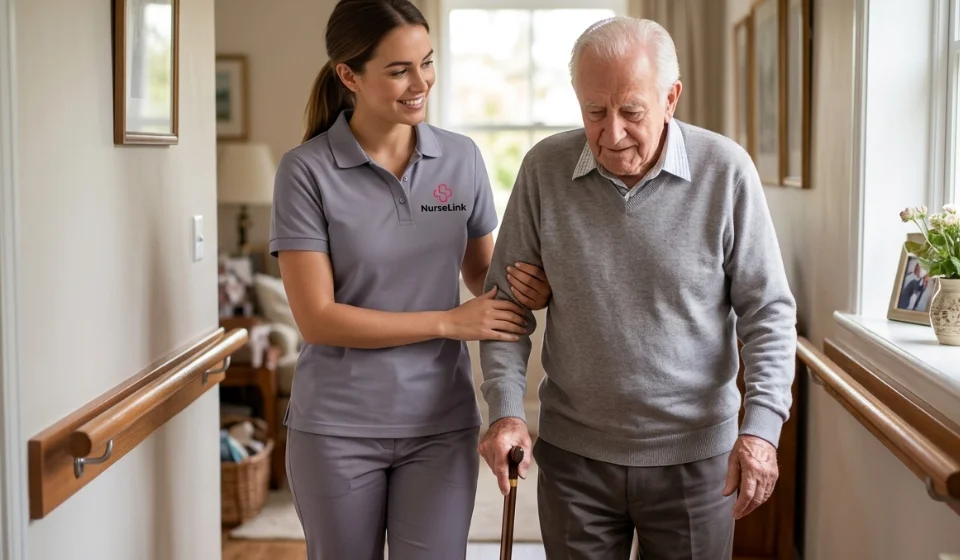
- Installing handrails and grab bars in bathrooms, hallways, and stairways for additional support
- Improving lighting in entryways, bedrooms, kitchens, and walkways to increase visibility and safety
- Removing loose rugs, uneven flooring, and trip hazards that may contribute to falls
- Widening doorways and creating open spaces for easier wheelchair or walking aid access
- Adding non slip flooring and safer entryways to reduce the risk of slipping in wet or unstable areas
Simple modifications can often make a major difference in helping seniors navigate their homes more safely while reducing the need for ongoing assistance with routine tasks.
Bathroom & Mobility Safety Improvements
Bathrooms are one of the highest risk areas in the home for slips and falls, particularly for elderly individuals with balance or mobility challenges. Wet surfaces, low toilet seating, and difficult shower access can create unsafe conditions without proper modifications. Installing walk in showers, grab rails, non slip flooring, and raised toilet seats can significantly improve bathroom safety while supporting greater independence.
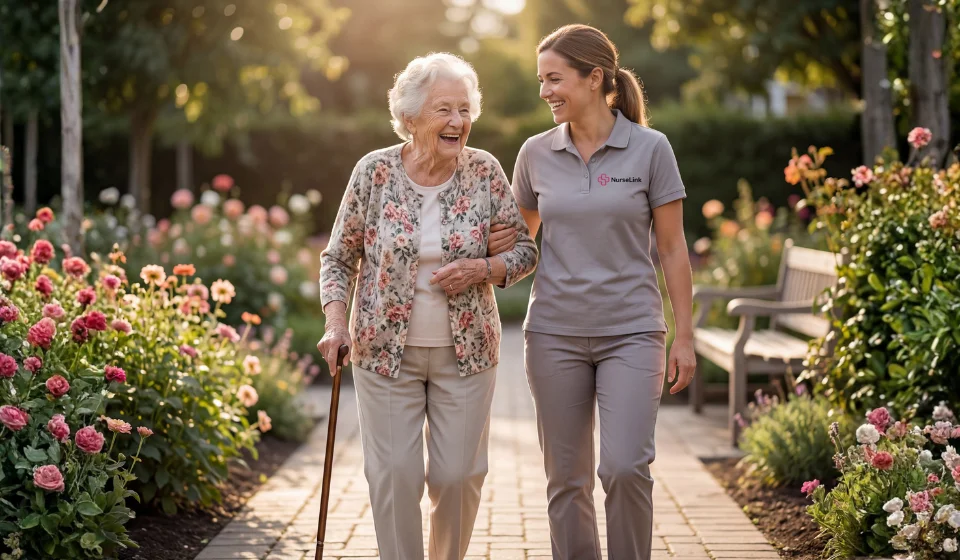
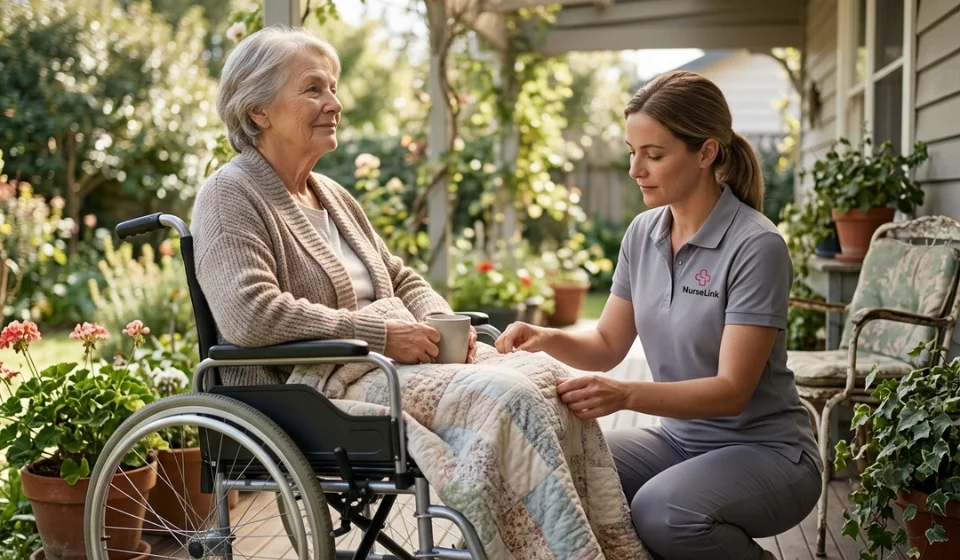
Mobility related improvements throughout the home can also help seniors move more confidently and comfortably between rooms. Open layouts, wider pathways, ramps, stair lifts, and support rails can make everyday activities safer for individuals using mobility aids or experiencing reduced physical strength.
Accessible home designs are especially important for those receiving home modifications aged care support or ongoing in home healthcare services. Practical adjustments allow seniors to continue managing personal routines with greater ease while helping caregivers provide safer and more effective support when required.
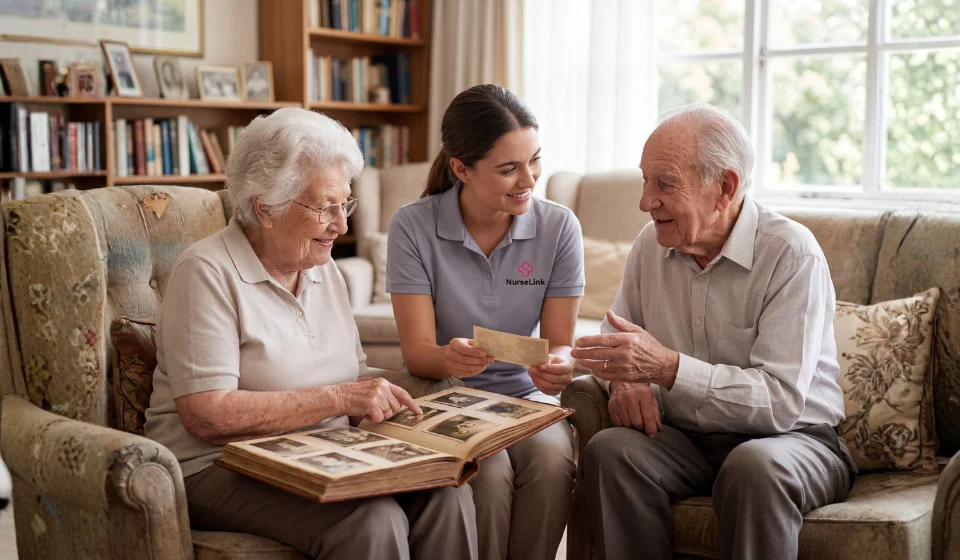
These aged care home modifications also contribute positively to emotional wellbeing by helping elderly individuals remain connected to familiar surroundings and maintain greater control over their daily lives.
How Home Modifications Support Independent Living?
Home modifications are not only about reducing injury risks. They also play a major role in supporting independence, emotional wellbeing, and confidence for ageing adults who wish to continue living in their own homes safely.
- Helping seniors complete daily routines with greater safety and comfort.
- Encouraging confidence and mobility within familiar living environments.
- Reducing reliance on caregivers for basic household and personal tasks.
- Supporting emotional wellbeing, dignity, and quality of life.
- Allowing seniors to remain living independently at home for longer periods.
When elderly individuals feel safe and supported within their homes, they are often more likely to remain socially active, emotionally engaged, and physically independent.
Choosing The Right Home Safety Solutions For Seniors
Selecting appropriate safety modifications requires careful consideration of the individual’s mobility, health conditions, daily routines, and long term care needs. Every person experiences ageing differently, which means home safety solutions should be tailored to their unique circumstances rather than using a one size fits all approach.
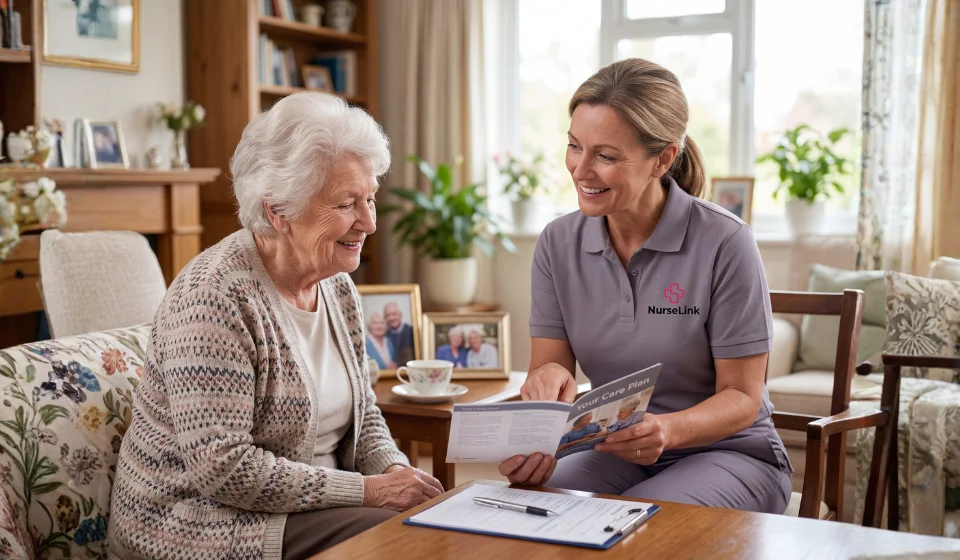
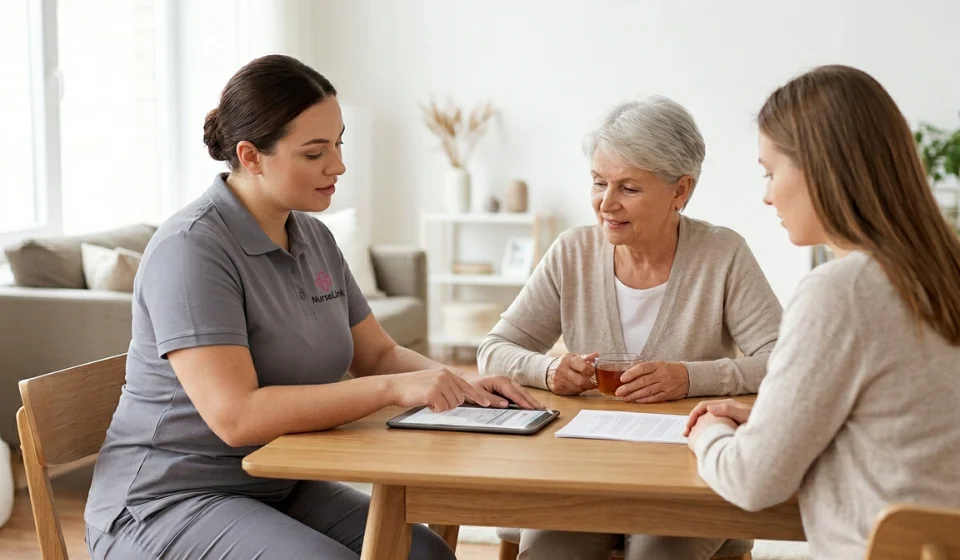
Working with healthcare professionals, occupational therapists, carers, or home support providers can help families identify practical modifications that improve both safety and independence. Professional assessments can also help prioritise changes according to the individual’s immediate and future care requirements.
It is important to choose durable, accessible, and easy to maintain safety solutions that continue supporting the individual as their mobility or healthcare needs change over time. Long term planning may include preparing homes for mobility aids, ongoing healthcare support, or additional accessibility features that support ageing in place more effectively.
Practical and personalised home modifications can make a meaningful difference in helping elderly individuals live more safely, comfortably, and independently within familiar surroundings.
Conclusion
Creating safer home environments for elderly individuals is an important step in supporting long term independence, reducing injury risks, and improving overall wellbeing. Thoughtful home modifications can help seniors move more confidently, complete daily tasks more safely, and remain connected to familiar surroundings while reducing reliance on external care services. From improved bathroom safety to better lighting and mobility support, personalised home safety solutions provide both practical and emotional benefits for ageing adults and their families. At NurseLink Healthcare, compassionate and people focused support services help individuals and families create safer, more supportive living environments tailored to their changing healthcare and mobility needs.