
More Than Domestic Support
How NurseLink Helped A Widower Rediscover Company He Didn't Know He Was Missing
A Case Study In Homecare That Started As A Practical Arrangement & Became Something Considerably More
Introduction
Homecare referrals often arrive framed in entirely practical terms. A family member calls, describes a parent who is struggling with the vacuuming, the laundry, getting groceries in from the car, and asks for help with exactly those tasks. The referral is accurate as far as it goes. What it frequently misses, because it is genuinely difficult for anyone, including the person living it, to name clearly, is the loneliness that has often quietly settled in alongside the practical decline, and that no amount of competent domestic assistance will resolve on its own.
For an older person living alone, particularly a man of a certain generation who was never especially practised at naming or discussing emotional needs even at the best of times, this loneliness can go almost entirely unspoken. The family sees a parent who seems to be coping. The parent, for his part, would rarely think to describe himself as lonely, even when he plainly is, because that has simply never been a category he applies to himself. What both often notice, without quite naming it, is that a homecare arrangement intended purely as practical support somehow starts to matter far more than the tasks on the schedule would suggest, and that the reason for this is usually company, not cleaning.
This case study documents how NurseLink Healthcare supported a widower in his early eighties in Perth, referred initially for straightforward domestic assistance, and how the relationship that developed between him and his support worker became, over the following months, something considerably more significant than either the referral or the client himself had anticipated at the outset.
To protect the privacy of the client, all names and identifying details have been kept confidential throughout this case study.
The Client & His Situation
The client is a man in his early eighties living alone in a suburban home in Perth’s southern suburbs, a retired tradesman who had spent over four decades working as an electrician before retiring in his mid-sixties. He had been widowed a little over two years before NurseLink Healthcare became involved, his wife’s death following a period of declining health during which he had been her primary carer, a role that had, for a time, given his days a structure and purpose that had disappeared quite suddenly once she was gone.
His two adult children, one living locally and one interstate, had watched their father’s household standards slip gradually in the period following their mother’s death, not dramatically, but noticeably. The garden his wife had once tended became overgrown. Basic domestic tasks that had, for decades, been her domain rather than his, laundry, meal planning, the general upkeep of the house, were managed inconsistently, not through any decline in his physical capacity but through a genuine unfamiliarity with tasks he had simply never needed to take on before.
His local daughter, who visited weekly and had grown increasingly concerned, approached NurseLink Healthcare with a request that was, on its face, entirely practical. She wanted domestic assistance for her father, help with the household tasks that had become genuinely difficult for him to manage independently after so many decades of a marriage that had divided these responsibilities along fairly traditional lines. She mentioned, almost in passing during the initial conversation, that her father had also become somewhat quieter and less inclined to leave the house than he used to be, a detail she offered without particular emphasis and that the NurseLink Healthcare care coordinator noted as worth paying closer attention to once the arrangement began.
Understanding What He Actually Needed
The initial home visit, conducted by the care coordinator with the client present, confirmed the practical picture his daughter had described. He needed help with regular household cleaning, laundry and some basic meal preparation, tasks that had become disorganised in a home that had, for decades, run on a rhythm his wife had quietly managed without his ever needing to think much about it.
But the conversation, once it moved beyond the practical checklist, revealed something the referral had not quite captured. He spoke about his wife frequently and warmly, and it became apparent, over the course of the visit, that his days had become considerably quieter than he was entirely comfortable with, though he did not describe this in terms of loneliness so much as simply having, as he put it, less to do and fewer people to do it with than he used to. He mentioned that he still saw his daughter weekly and spoke to his interstate son by phone, but that the bulk of his week, beyond these contacts, passed largely in his own company.
The care coordinator, recognising the pattern for what it likely was without pressing the point directly, noted in the initial assessment that the support worker assigned to this engagement should be selected with an eye not only to domestic competence but to genuine warmth and conversational ease, on the basis that the value of the visits was likely to extend well beyond the tasks being completed, whether or not the client himself would have named that as part of what he needed at the outset.
The NurseLink Healthcare Solution
A Support Worker Chosen For Warmth As Much As Competence
NurseLink Healthcare assigned a support worker with strong domestic care skills and, just as importantly, a naturally sociable and easygoing manner, chosen specifically with the care coordinator’s observations from the initial visit in mind. Before the first visit, she was briefed not only on the practical tasks required but on the client’s situation as a recently widowed man whose days had become quieter than he seemed entirely comfortable with, and was encouraged to let genuine conversation develop naturally alongside the domestic work rather than treating the visits as purely transactional.
Domestic Support Delivered Alongside Genuine Conversation
The support worker managed the household tasks, cleaning, laundry, help with meal preparation and planning, competently and reliably from the first visit, restoring a level of order to the home that both the client and his daughter noticed and appreciated within the first few weeks. But she also, from early in the engagement, made a habit of talking with him as she worked, asking about his career as an electrician, about his late wife, about the garden that had once been so carefully tended and had since fallen into disrepair.
He responded to this, over the following weeks, with a warmth that surprised his daughter when she began hearing about it during her own weekly visits. He had, it turned out, a great many stories from his working life, a dry sense of humour that had apparently gone largely unexercised since his wife’s death, and a genuine interest in hearing about the support worker’s own life and family in return, an exchange that gave the visits a mutual, easy quality rather than the one-directional feel that purely task-focused homecare can sometimes have.
Rediscovering The Garden Together
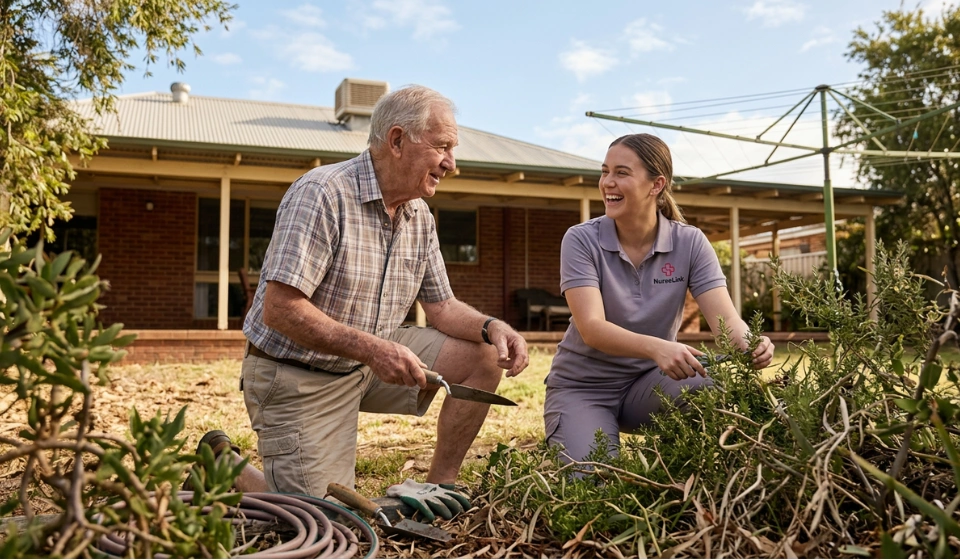
A few months into the engagement, the support worker mentioned, in passing, that she had noticed the overgrown garden and asked whether he might like some help getting back into it, an offer he accepted with more enthusiasm than either of them had quite expected. Over the following weeks, tending the garden together became a regular part of their visits, not part of the formal domestic tasks on his care plan, but a shared activity that gave him back a piece of the life he had shared with his wife and had let go since her death, this time with company rather than in the solitude he had otherwise been managing it in.
Encouraging Small Steps Back Into The World
As the relationship developed and his confidence and mood visibly improved, the support worker began, gently and without pressure, mentioning a few local activities she thought he might enjoy, a men’s shed group not far from his home that met weekly, and a local bowls club that several of his old workmates, it turned out, still attended. She did not push the suggestions, understanding that the decision needed to remain genuinely his own, but she raised them more than once and offered, on the occasion he expressed interest, to help him get there for his first visit so he did not need to walk in entirely alone.
He attended the men’s shed group for the first time several months into the engagement, an outing his daughter described, when she heard about it, as one of the most significant developments since her mother’s death, given how withdrawn her father had become in the preceding period.
Outcomes And Impact
A Well-Managed, Comfortable Household
The practical outcome that had originally prompted the referral was achieved cleanly and reliably. His home returned to a level of order and cleanliness that both he and his daughter were genuinely pleased with, and the domestic tasks that had become overwhelming for him to manage alone were handled consistently and competently throughout the engagement.
A Visible Lift In His Mood & Engagement
Beyond the practical outcome, his daughter reported, at a review conversation some months into the engagement, a clear and welcome change in her father’s general demeanour. He was, she said, noticeably more talkative, more inclined to share stories and opinions during her own visits, and generally seemed, by her account, more like the father she remembered from before her mother’s death than the quieter, more withdrawn version of him she had grown used to in the two years since.
A Garden Brought Back To Life
The garden, tended together across the weeks of the engagement, was restored to something close to the state it had been in during his wife’s lifetime, a change that carried, for him, considerably more emotional weight than a simple gardening task might suggest, given how directly it connected to the life he had shared with his wife and had struggled to maintain alone.
A Genuine Step Back Into Community
His attendance at the men’s shed group, which continued and grew across the following months into a regular weekly commitment, represented a meaningful expansion of his life beyond the homecare arrangement itself, giving him a source of social contact and activity that existed independently of the visits and that his daughter identified as one of the outcomes she was most grateful for.
A Friendship That Mattered To Both Of Them
Perhaps the outcome that best captures the shape of this engagement is one that is difficult to reduce to a formal care metric. The relationship between the client and his support worker had become, by the later stage of the engagement, something both of them plainly valued as a genuine friendship, built through months of shared conversation, shared gardening and the easy familiarity that develops between two people who have come to genuinely enjoy each other’s company.
A Reflection From The Client
Several months into the engagement, he shared the following with the NurseLink Healthcare care coordinator:
“My daughter arranged this because she was worried about the house getting on top of me, and it did need doing, I will not pretend otherwise. What I did not expect was how much I would look forward to the visits themselves. We talk for half the visit most weeks. We got the garden going again, which my wife would have been very pleased about. And I go to the men’s shed now most Thursdays, which I would never have gone to on my own without a bit of a nudge and an offer of a lift the first time. I did not think of myself as lonely before all this started. Looking back, I probably was. I am not anymore.”
Key Takeaways From This Case Study
Homecare referrals framed around practical tasks often carry an unspoken loneliness alongside them. Families requesting domestic support for an older parent are frequently, whether they name it or not, also describing a person who has become isolated, and homecare that addresses both dimensions delivers considerably more value than one focused on tasks alone.
Matching a client with a support worker for genuine warmth, not only competence, changes what the engagement can become. A support worker who builds real rapport and conversation alongside the practical work creates space for outcomes that a purely task-focused approach would never produce.
Small, unscripted additions to a care plan, like tending a garden together, can carry significant emotional weight. Activities that connect a client to a meaningful part of his previous life, undertaken with company rather than alone, often matter more to the client than the formal tasks on his care plan.
Gentle, unpressured encouragement toward community connection can produce outcomes well beyond the homecare relationship itself. A support worker’s patient suggestion, offered without pressure and backed with practical help getting there, gave this client access to an ongoing social connection that will continue to benefit him long after any individual homecare visit.
Conclusion
A homecare arrangement that begins as a request for domestic assistance can, when approached with genuine attention to the whole person rather than only the tasks on the referral, become something considerably richer. For the man at the centre of this case study, NurseLink Healthcare provided domestic support that solved the practical problem his family had first raised, and a genuine friendship and renewed sense of connection that neither the referral nor the client himself had fully anticipated at the outset.
His house is in good order. His garden is thriving again. And most Thursdays now, he can be found at the men’s shed, telling stories from his working life to anyone willing to listen, which, by all accounts, is most of the room.
If you or someone you love is managing daily life alone and could use both practical support and genuine company, we encourage you to reach out to the NurseLink Healthcare team. Sometimes what starts as help with the housework becomes something considerably more valuable than either of you expected.
Latest Post
More Than Domestic Support
Still Her Home

The Weight She Was Carrying

Caring For Her Without Losing Himself
Managing Diabetes Without Sight
The Recovery Nobody Predicted
Finding Their Footing Again
On His Own Terms
When MS Moves In, The Whole Family Feels It
The Nurse Who Became The Patient
His Land, His Terms
Coming Home Differently

The Caregiver’s Pause
Still Going Home
Where He Belonged
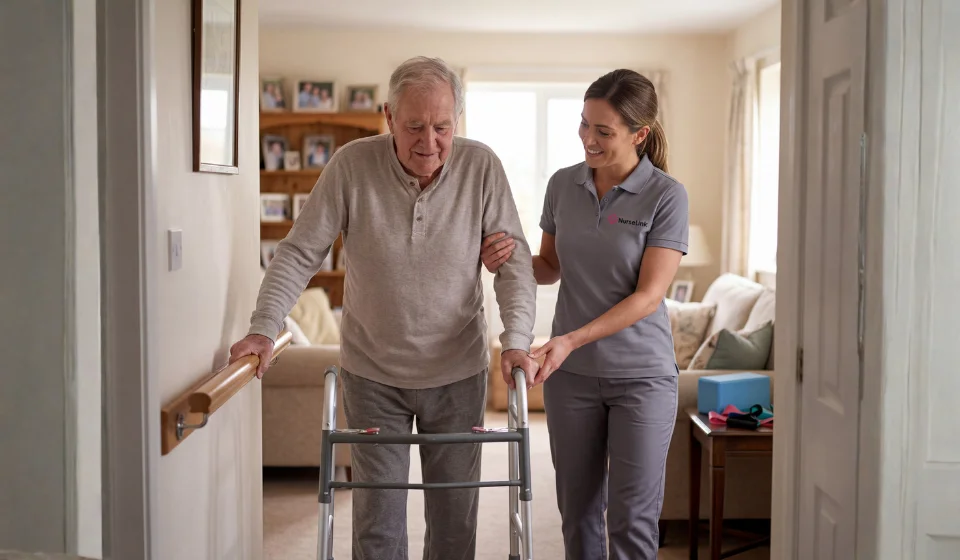
Caring For Dad From Across The Country

Raising Three Kids While Living with Parkinson’s
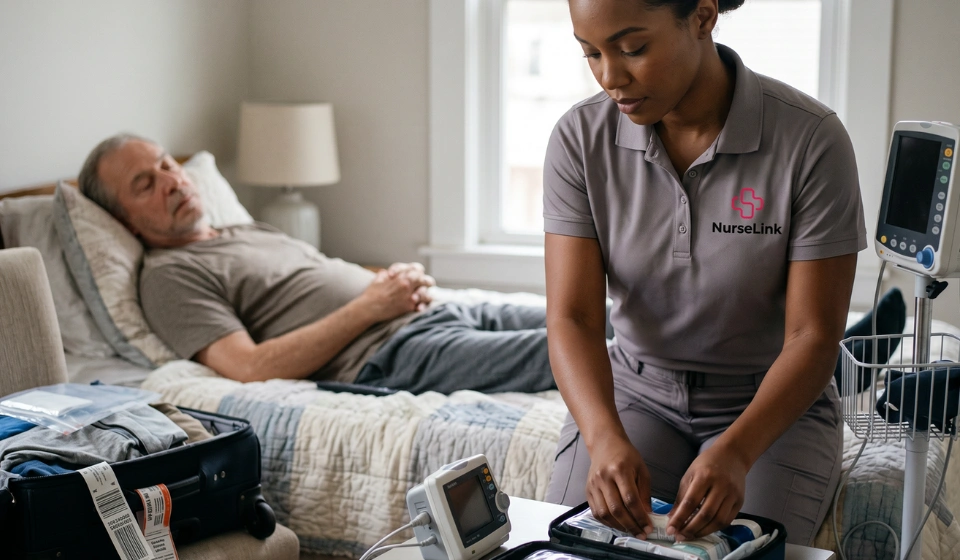
A Family In Crisis. A Care Team Ready.
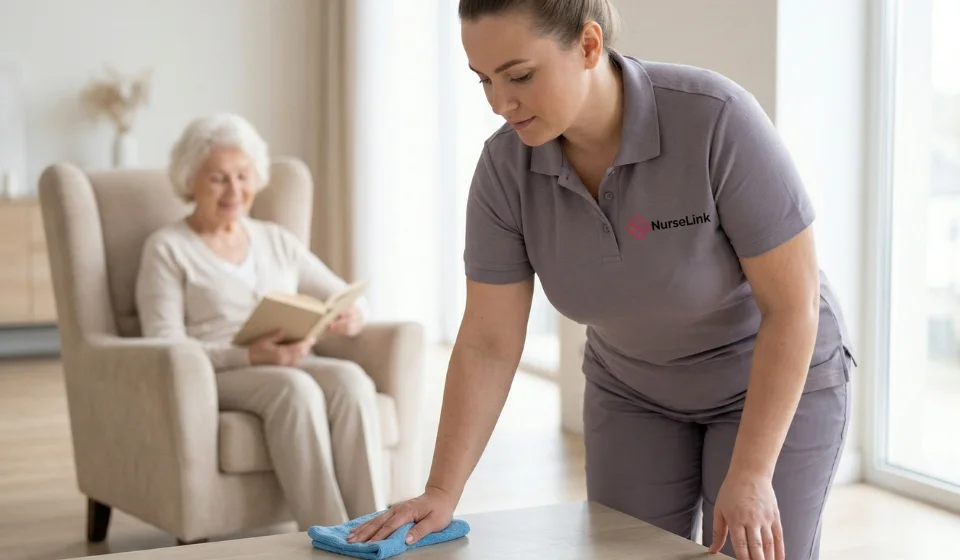
Homecare Cleaning Support
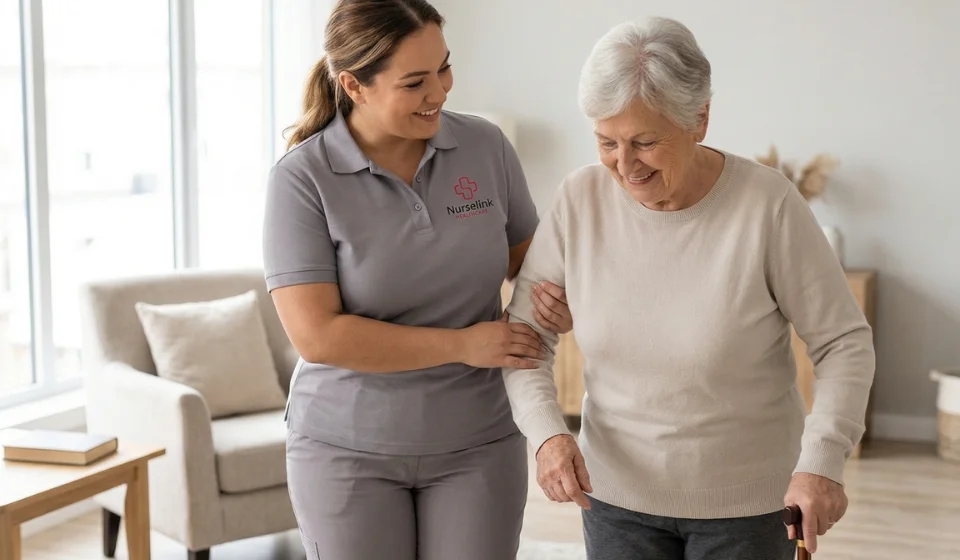
A Journey Of Comfort & Independence Through Homecare Support

Margaret’s Journey