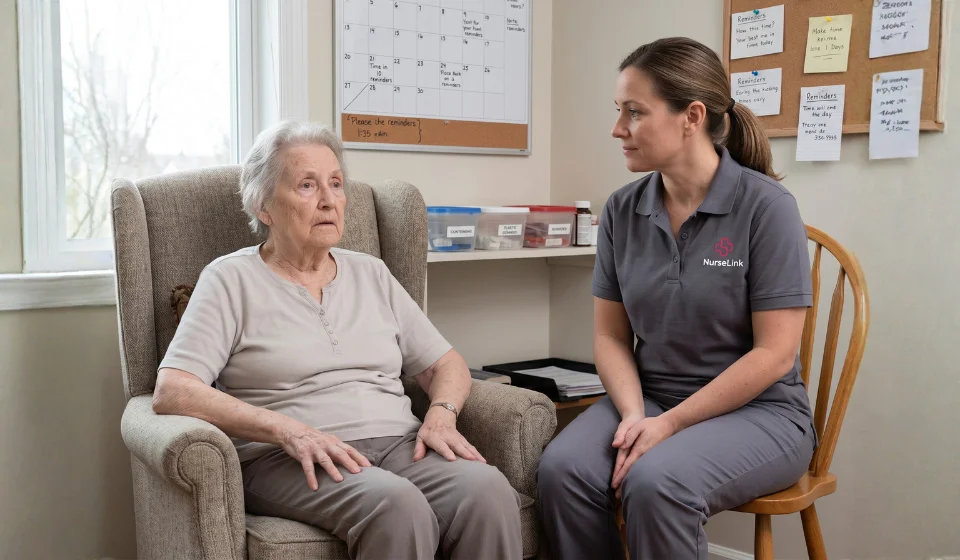
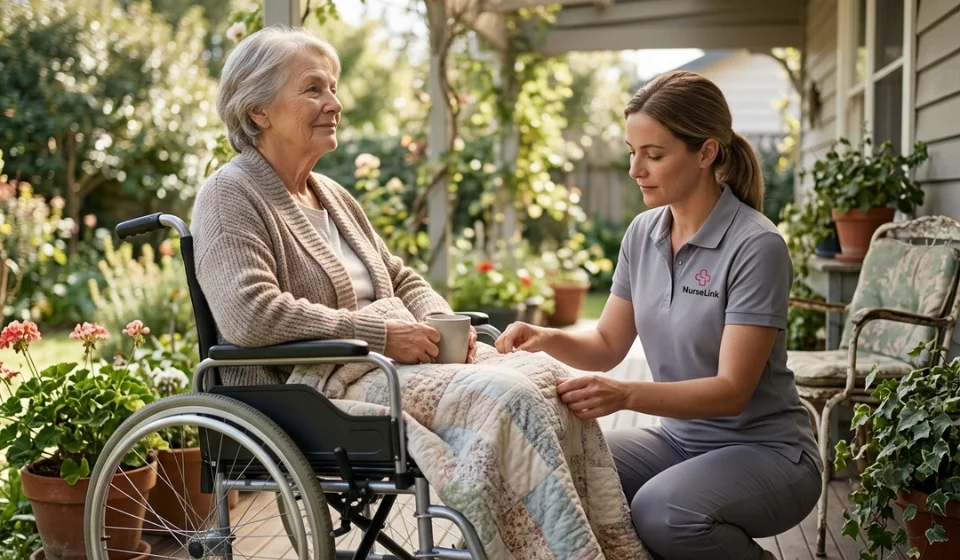
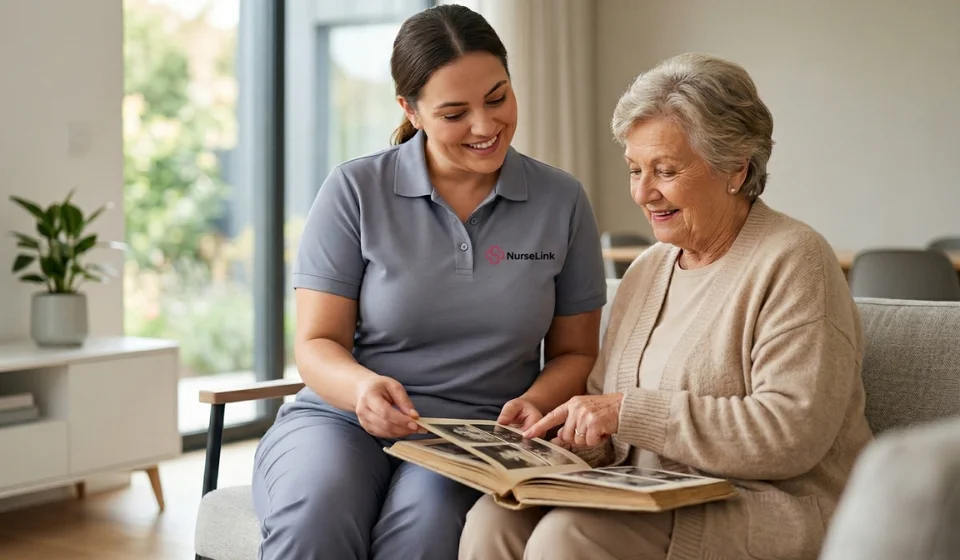
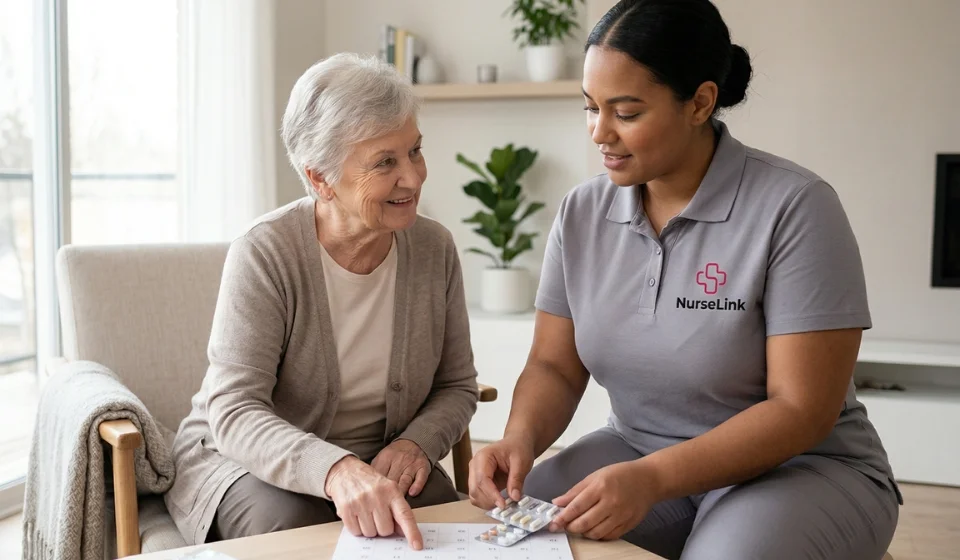
Happiness in old age is rarely the result of luck alone. More often, it grows from the small choices and habits we practise every day. Today, many older Australians are living longer, healthier and more active lives than previous generations, proving that ageing can still be deeply fulfilling and meaningful. Simple routines, strong relationships and a positive mindset can all contribute to emotional and physical wellbeing in later years. This guide is designed for seniors, families and caregivers who want to better understand the everyday habits that support healthy and joyful ageing.
Habit 1: Stay Physically Active Every Day
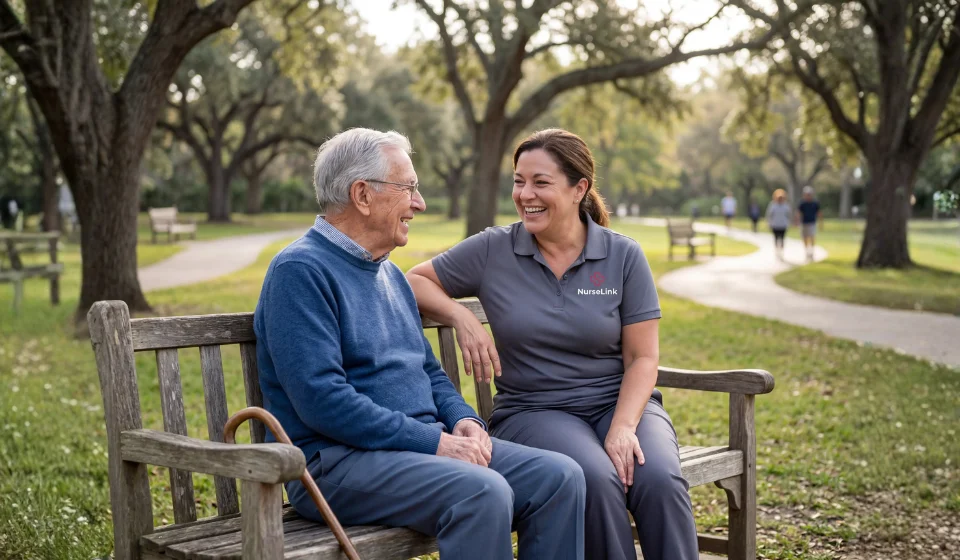
Physical activity is one of the most important foundations of healthy ageing. Regular movement supports heart health, mobility, balance and muscle strength, but it also has a powerful effect on emotional wellbeing. Exercise can improve mood, reduce stress and support cognitive function by increasing blood flow to the brain.
Many older adults believe exercise needs to be intense or physically demanding to make a difference, but this is not true. Even gentle daily movement can significantly improve energy levels, confidence and independence over time. One of the most effective ways of finding happiness in old age is by staying active in ways that feel enjoyable and sustainable.
What Kind Of Exercise Works Best For Seniors
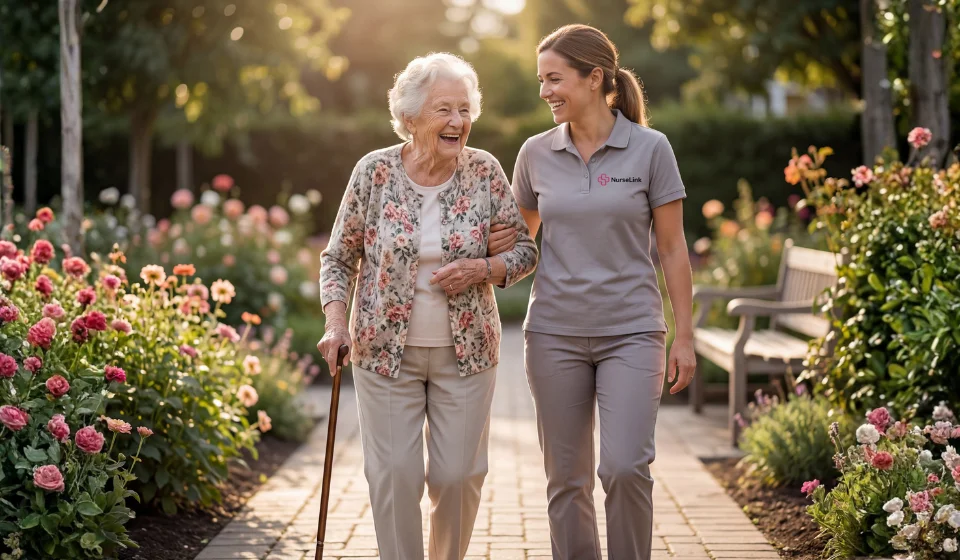
Low impact activities are often the safest and most manageable options for older adults. Walking, swimming, tai chi and gentle yoga can improve flexibility, balance and cardiovascular health without placing excessive strain on the body.
Strength and balance exercises are equally important because they help reduce the risk of falls and maintain independence. Seniors should aim to create realistic routines that fit comfortably into daily life, even if it starts with short walks or stretching exercises several times a week.
Habit 2: Nurture Your Relationships
Strong social connections are one of the biggest contributors to happiness and longevity in older adults. Human relationships provide emotional support, companionship and a sense of belonging that becomes increasingly important with age. Studies consistently show that loneliness and social isolation can negatively affect both physical and mental health in seniors.
Relationships require ongoing care and attention throughout life. Retirement, mobility limitations or the loss of loved ones can make maintaining social connections more difficult, which is why older adults should actively prioritise meaningful interaction and communication.
Simple Ways To Stay Connected
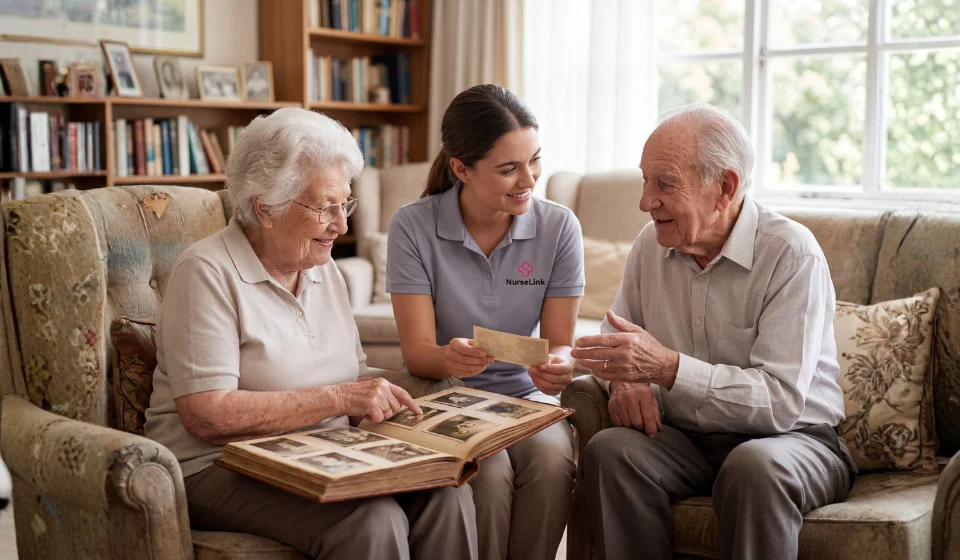
Regular phone calls, visits and conversations with family and friends can help seniors feel emotionally supported and valued. Community groups, hobby clubs and volunteering opportunities can also create meaningful social interaction and reduce feelings of isolation.
Technology has become a valuable tool for seniors with limited mobility. Video calls, online communities and social media platforms can help older adults stay connected to loved ones and participate in social activities from home.
Habit 3: Keep Learning New Things
A curious and engaged mind is one of the greatest strengths a person can carry into later life. Lifelong learning keeps the brain active and may help reduce the risk of cognitive decline by strengthening memory, concentration and problem solving skills.
Learning also provides a sense of achievement and confidence. Trying something new can create excitement, encourage social interaction and give older adults fresh goals to work towards. Many experts believe that mental stimulation plays an important role in finding meaning and happiness in old age.
Ideas To Keep The Mind Active & Engaged
Older adults can keep learning by exploring hobbies, creative interests or practical skills they have always wanted to try. Learning a language, playing a musical instrument, painting or gardening can all provide mental stimulation and enjoyment.
Community workshops, local classes and online learning programs are increasingly accessible across Australia. Reading, puzzles, board games and memory exercises are also simple yet effective ways to keep the mind active and engaged every day.
Habit 4: Find A Sense Of Purpose
Having a sense of purpose is deeply connected to emotional wellbeing and life satisfaction. Many people experience uncertainty after retirement or major lifestyle changes because work and routine often provide structure and identity for many years.
Without meaningful activities or goals, some seniors may begin feeling disconnected or unmotivated. One of the seven habits that lead to happiness in old age is continuing to pursue activities that create fulfilment, purpose and personal value.
Ways To Cultivate Purpose In Everyday Life
Volunteering within the community can provide a strong sense of contribution and connection. Many older adults find fulfilment in mentoring younger generations, sharing knowledge or supporting local organisations.
Purpose can also come from smaller everyday activities such as gardening, creative hobbies, faith based involvement or caring for loved ones. These activities create routine, meaning and a reason to stay engaged with life each day.
Habit 5: Take Care Of Your Mental Health
Mental health deserves just as much care and attention as physical wellbeing in older age. Unfortunately, many older Australians grew up during a time when discussing emotional struggles was heavily stigmatised, which can make seeking support feel difficult or uncomfortable.
It is important to recognise that occasional sadness is different from ongoing anxiety, depression or emotional distress that affects daily life. Looking after emotional wellbeing is a key part of how to be happy in old age and maintain a strong quality of life.
Practical Steps To Support Emotional Wellbeing
Healthy routines that include rest, enjoyable activities and social interaction can positively support emotional health. Seniors should feel encouraged to speak openly with trusted friends, family members or caregivers about their feelings and experiences.
Professional support may also be beneficial. GPs, counsellors and mental health professionals can provide guidance, therapy and treatment when needed. Australia also offers community mental health programs and support services specifically designed for older adults.
Habit 6: Eat Well & Sleep Better
Nutrition and sleep play a major role in emotional wellbeing, energy levels and overall health. As people age, nutritional needs change and the body may require greater attention to hydration, bone health and inflammation management.
Sleep quality also becomes increasingly important. Poor sleep can contribute to mood changes, memory difficulties, reduced concentration and increased stress. Many older adults underestimate the impact that healthy eating and proper rest have on daily happiness and wellbeing.
Eating For Healthy Ageing
Seniors should prioritise nutrients such as calcium, vitamin D, fibre and adequate hydration to support bone strength, digestion and overall health. Foods rich in antioxidants and healthy fats may also support brain function and reduce inflammation.
Meal preparation can sometimes become difficult for older adults living alone or managing mobility limitations. Simple meal planning, community meal programs and family support can help maintain healthy eating habits.
Building A Better Sleep Routine
Many seniors experience sleep disturbances related to medications, health conditions or changing sleep patterns. Maintaining consistent bedtimes, limiting caffeine intake and reducing screen use before bed can support better sleep quality.
Relaxation techniques such as reading, breathing exercises or gentle stretching before sleep may also help improve rest. Persistent sleep difficulties should always be discussed with a healthcare professional to rule out underlying conditions.
Habit 7: Let Go & Live In The Present
One of the most noticeable traits among emotionally resilient older adults is the ability to let go of regrets, worries and past disappointments. Acceptance and gratitude can significantly improve emotional wellbeing and reduce unnecessary stress.
Mindfulness and present moment awareness encourage seniors to focus on what they can still enjoy and appreciate rather than dwelling on what has changed. The seven habits that lead to happiness in old age often centre around emotional balance, perspective and inner peace.
Simple Practices To Embrace The Present
A daily gratitude practice can help shift attention towards positive experiences and meaningful moments. Even writing down three things to be thankful for each morning can improve mood and outlook over time.
Mindfulness exercises, gentle meditation and breathing techniques are also helpful for reducing stress and increasing emotional awareness. Reframing challenges as part of life’s natural journey can help older adults build resilience and greater peace of mind.
Final Thoughts
Happiness in later life is built gradually through small, consistent habits that support physical health, emotional wellbeing and meaningful connection. It is never too late to make positive changes, and even one new habit can create a noticeable difference over time. Families, caregivers and support services also play an important role in helping seniors feel valued, connected and empowered as they age. With the right support, healthy routines and strong community connections, older Australians can continue finding happiness in old age and enjoy a fulfilling, meaningful quality of life.