Staying active matters all year round, but it becomes especially important for older adults once the temperature drops. Regular movement supports physical health, keeps the mind sharp, and helps preserve the independence that so many seniors value. The challenge is that colder, darker days make it tempting to stay indoors and slow down, which can quietly chip away at strength, balance, and mood over a season. This guide takes a practical look at the obstacles winter brings and offers simple, safe ways to keep moving, whether you prefer the comfort of home or a brisk walk in the fresh air.
Common Challenges Seniors Face During Colder Months
Winter introduces a few genuine hurdles to staying active. Recognising them early makes it far easier to plan around them rather than give up movement altogether.
Reduced Mobility Due To Cold Weather
Cold weather often brings joint stiffness and muscle discomfort, which can make even familiar movements feel harder. That discomfort, combined with the cosiness of a warm home, tends to increase reluctance to head outside. The result is less activity at exactly the time the body benefits most from gentle, regular movement.
Shorter Days & Less Sunlight
Fewer daylight hours can lower energy levels and disrupt established routines. Less sunlight also affects mood and motivation, making it harder to feel enthusiastic about exercise. When the days feel short and grey, even people who normally stay active may find their usual habits slipping.
Higher Risk Of Slips & Falls
Wet, frosty, or slippery surfaces outdoors raise the risk of slips and falls, which is a serious concern for older adults. This makes choosing safe environments for activity especially important. Sometimes the wisest choice is to move indoors rather than risk an uneven, rain-slicked footpath.
Seasonal Illnesses & Isolation
More time spent indoors during winter can mean reduced social interaction and less physical movement overall. Seasonal illnesses add to the tendency to withdraw, and the combination of isolation and inactivity can affect both physical and emotional wellbeing if left unchecked.
Safe & Simple Indoor Exercises To Stay Moving
When the weather keeps you inside, there are plenty of ways to stay active without leaving the house. These indoor exercises for seniors are gentle, adaptable, and easy to fit into a daily routine.
Chair-Based Exercises
Seated movements are a wonderful starting point, particularly on stiff or low-energy days. Gentle stretches, ankle rolls, and seated arm raises improve flexibility and circulation while offering the security of a stable chair. They suit almost every ability level and can be done while watching television.
Strength & Balance Activities
Light bodyweight exercises or resistance training with small weights or bands help maintain muscle health and steadiness on your feet. Simple sit-to-stand movements or wall push-ups build the strength that supports everyday tasks and reduces the likelihood of falls.
Walking Indoors
Walking does not have to stop in winter. Strolling around the home, a local shopping centre, or a community facility keeps you moving in a warm, even environment. Indoor walking is one of the most accessible forms of home fitness for seniors and requires no special equipment.
Low-Impact Fitness Options
Yoga, tai chi, and guided online exercise sessions designed for older adults offer gentle, structured movement that improves balance and calm. Many of these can be followed from a screen at home, making them ideal for fun winter activities for seniors who prefer variety.
Daily Functional Movements
Everyday tasks count too. Light household chores, watering plants, or simply standing and stretching during ad breaks all reduce sedentary time. Building regular movement breaks into the day keeps the body active without it ever feeling like a workout.
Ways To Stay Active Outdoors In Winter
Fresh air still has plenty to offer in the cooler months, provided you take a few sensible precautions. With the right approach, outdoor winter activities for older adults remain both safe and enjoyable.
Choose The Right Time Of Day
Aim to exercise during the warmer daylight hours, usually late morning to early afternoon, when conditions are milder and visibility is better. Avoiding early mornings and evenings reduces exposure to the coldest, most slippery parts of the day.
Dress For The Weather
Layering clothing helps you stay warm and lets you adjust as you move. Supportive, non-slip footwear is essential for stability on damp or uneven ground. A hat, gloves, and a waterproof outer layer make a noticeable difference to comfort and safety.
Enjoy Gentle Outdoor Activities
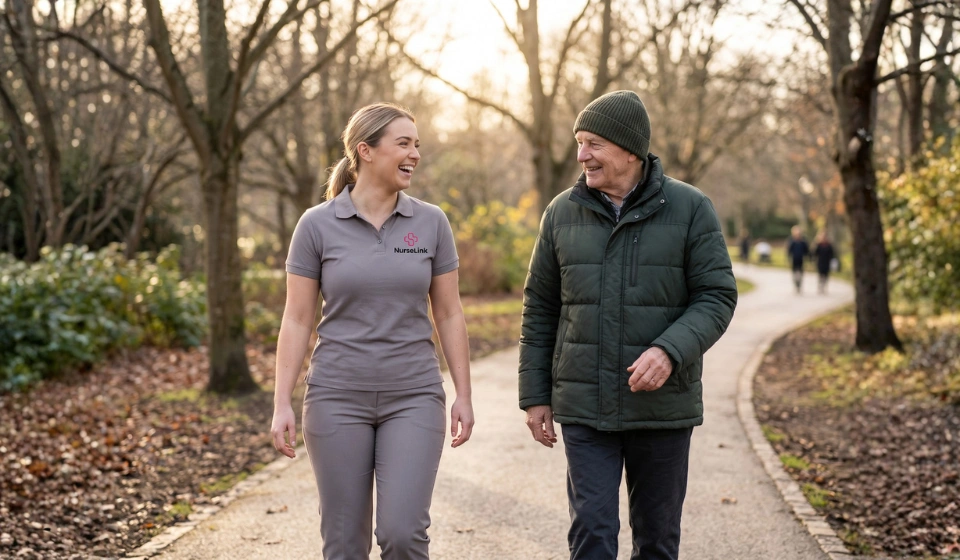
A walk through a local park or garden, light gardening, or some gentle stretching in the fresh air all provide movement and a welcome mental lift. These calm, low-pressure winter activities for the elderly combine exercise with the proven benefits of being outdoors.
Exercise With Others
Company adds motivation and safety. Joining a walking group or staying active alongside family and friends turns exercise into something to look forward to, and having a companion nearby offers reassurance if conditions become tricky.
Tips For Maintaining Motivation & Consistency
Knowing what to do is one thing, but staying consistent through a long winter is another. A few simple strategies make it far easier to keep the habit alive.
Set Realistic Goals
Focus on achievable daily or weekly targets rather than ambitious plans that are hard to sustain. A short walk each day or a few stretching sessions a week is far more valuable than an occasional burst followed by weeks of rest.
Create A Routine
Scheduling movement into specific times of the day helps it become second nature. When activity has a regular place in your routine, it stops feeling optional and starts feeling like part of normal life.
Track Your Progress
A simple journal or activity tracker can keep you accountable and show how far you have come. Seeing steady progress, even in small steps, is a genuine source of encouragement on the days motivation runs low.
Make Exercise Enjoyable
Choose activities that genuinely interest you, whether that is dancing in the lounge room, gardening, or a favourite online class. Enjoyable movement is movement you will actually repeat.
Stay Socially Connected
Community programs and exercising with companions add a social dimension that keeps spirits high. Connection and activity together are a powerful combination against the isolation winter can bring.
When To Adjust Your Activity Routine For Safety
Staying active is important, but so is knowing when to ease off. Listening to your body and your circumstances keeps exercise safe and sustainable.
Listen To Your Body
If you experience pain, dizziness, or unusual fatigue, reduce the intensity or take a rest. Pushing through discomfort can lead to injury, and there is no benefit in turning gentle exercise into a strain.
Monitor Weather Conditions
Avoid outdoor activity during severe cold, storms, or slippery conditions. On those days, moving your routine indoors is the safer and smarter choice.
Consider Existing Health Conditions
Adapt your exercises to suit your mobility level and any medical advice you have received. What works well for one person may need adjusting for another, and that is perfectly normal.
Seek Professional Guidance When Needed
Before starting a new routine, it is wise to consult a healthcare provider or qualified exercise professional. Tailored advice ensures your activities suit your health and gives you the confidence to move safely.
Key Takeaways
Staying active through winter does not require dramatic effort, just steady, thoughtful habits. A few core principles make all the difference.
Keep Moving Every Day
Even short periods of activity support overall health and wellbeing. Small daily movements add up to meaningful benefits over the season.
Prioritise Safety
Choose exercises and environments that minimise the risk of injury. A safe, sustainable routine will always serve you better than an ambitious one that ends in a fall.
Stay Flexible With Your Routine
Adapt your activities to suit the weather, your health, and your energy levels. Flexibility keeps you moving even when circumstances change.
Consistency Delivers Long-Term Benefits
Maintaining regular movement throughout winter helps preserve strength, balance, independence, and quality of life. The effort you put in now pays off well beyond the colder months.