Chronic pain is one of the most common health conditions in Australia, yet it remains widely misunderstood. According to Chronic Pain Australia, Chronic pain is a common and complex condition characterised by persistent pain experienced on most days of the week. It affects 1 in 5 Australians aged 45 and over.
For many people, chronic pain is not simply pain that lingers. It is a condition in its own right, one that shapes sleep, mood, movement and everyday life.
This guide explains what chronic pain actually is, why it happens, how it feels, whether it counts as a disability, and the practical ways people manage it and keep living well at home.
What Is Chronic Pain? Understanding The Basics
In simple terms, chronic pain is pain that lasts three months or more, or that continues beyond the time an injury would normally be expected to heal.
The difference between acute and chronic pain matters:
- Acute pain is protective. It warns you that something is wrong, such as a sprain or a cut, and it usually settles as the body heals.
- Chronic pain continues after healing, sometimes long after the original problem has resolved, and sometimes with no clear ongoing injury at all.
Here is the part most people are never told. In chronic pain, the nervous system can become more sensitive over time and effectively turn up the volume on pain signals. Clinicians call this central sensitisation. It means pain is no longer a reliable measure of tissue damage. Importantly, this does not mean the pain is imagined or “in your head.” It is real and it is happening in the nervous system.
Chronic pain is often grouped into three broad types:
- Nociceptive pain, coming from tissues, such as osteoarthritis.
- Neuropathic pain, coming from nerve damage, such as sciatica or nerve pain related to diabetes.
- Nociplastic pain, where the body processes pain differently, such as fibromyalgia.
What Causes Chronic Pain?
There is rarely a single answer. Common drivers include:
- Ongoing conditions such as osteoarthritis, rheumatoid arthritis, persistent back and neck pain, migraine and endometriosis
- Injury or surgery where pain outlasts the expected recovery
- Nerve related causes such as nerve pain from diabetes, pain after shingles, or a compressed nerve
- Widespread pain conditions such as fibromyalgia
- Cancer and its treatment
Sometimes no clear cause is ever found. This is more common than people expect, and it does not make the pain any less real or any less worth treating.
It also helps to know that pain is shaped by more than physical damage alone. Physical health, stress, sleep, mood and a person’s life circumstances all influence how much pain they feel. This is why management works best when it looks at the whole picture, not just one part of it.
Chronic pain also becomes more common with age. The Australian Institute of Health and Welfare found that nearly one in four Australians aged 85 and over live with it.
Common Symptoms & How Chronic Pain Feels
People describe chronic pain in many ways: aching, burning, stabbing, throbbing, shooting, or a deep dull soreness that never quite lifts.
But the pain itself is only part of the story. Chronic pain affects the whole person, and the wider effects often include:
- Fatigue and low energy.
- Broken or poor quality sleep, which then makes pain worse, so the two feed each other.
- Stiffness, reduced movement and a gradual loss of strength and fitness.
- Low mood, anxiety and irritability.
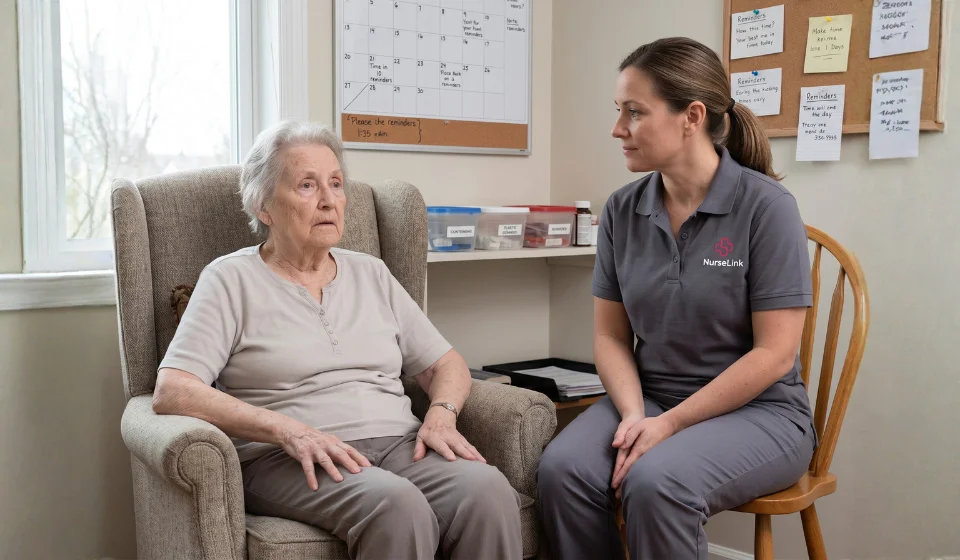
- Trouble concentrating, sometimes called “pain fog”.
- Pulling back from social life and a loss of confidence.
The emotional toll is significant and well documented. Painaustralia notes that close to half of people living with chronic pain also experience depression or anxiety.
Most people also notice a pattern of good days and bad days, along with flares, where pain spikes for a period before settling again. None of this is a sign of weakness. The emotional side of chronic pain is a normal part of the condition, and it is worth raising with a GP or health professional rather than carrying alone.
Is Chronic Pain A Disability?
This is one of the most searched questions about chronic pain, and the honest answer is: it can be, but it depends.
What matters is not the diagnosis label, but how much the pain limits a person’s everyday activities. Two people with the same condition can be affected very differently, which is why impact is always assessed individually.
The effect can certainly be disabling. The Australian Institute of Health and Welfare found that people aged 45 and over with chronic pain are around five times as likely as those without it to be limited a lot in their daily activities.
In Australia, support pathways exist and are assessed case by case. The best place to start is a conversation with your GP, who can guide you toward the right options, including programs such as the NDIS or My Aged Care where appropriate. Eligibility rules and criteria change over time, so it is worth checking the current details directly with the relevant scheme.
Tips For Managing Chronic Pain
The single most useful thing to understand is that chronic pain is usually best managed with several approaches working together, not one quick fix. For most people the realistic goal is better function and quality of life, rather than zero pain.
Approaches that genuinely help include:
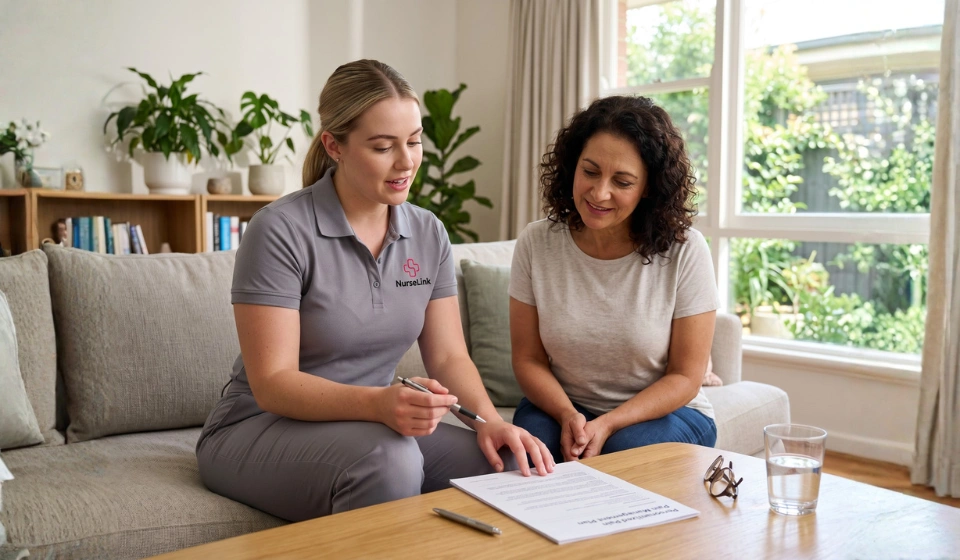
- Working with your healthcare team. A plan led by your GP, supported by allied health such as physiotherapy, occupational therapy and psychology, and pain management programs where available.
- Gentle, graded movement. Staying active in a measured way, often guided by a physiotherapist, with pacing to avoid the “boom and bust” cycle of overdoing it on a good day and crashing afterwards.
- Protecting sleep. Practical sleep routines matter, given how closely sleep and pain are linked.
- Caring for mind and mood. Stress reduction, mindfulness and evidence based psychological approaches such as cognitive behavioural therapy and acceptance and commitment therapy.
- Everyday tools. Heat and cold, planning tasks around energy levels, and keeping a simple pain or activity diary to spot patterns and triggers.
A word on medication. It can be one helpful tool, but it should always be guided by the prescriber and reviewed regularly. Stronger painkillers in particular have only a limited role in long term pain that is not related to cancer. Small, consistent changes across all of these areas tend to add up to more than any single treatment.
Living Well At Home With Chronic Pain
Beyond the clinical side, day to day life at home is where chronic pain is really lived, and where the right support makes the biggest difference.
Practical support that helps people stay independent includes:
- Pacing and conserving energy across the day.
- Setting up the home to reduce strain and lower the risk of falls.
- Mobility aids and equipment that protect independence.
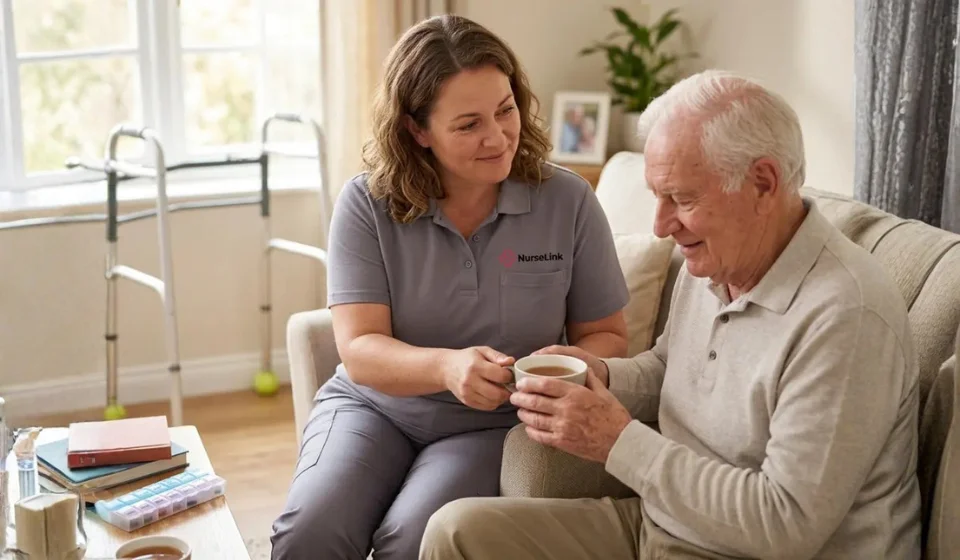
- Help with personal care, showering and dressing on harder days, delivered with dignity.
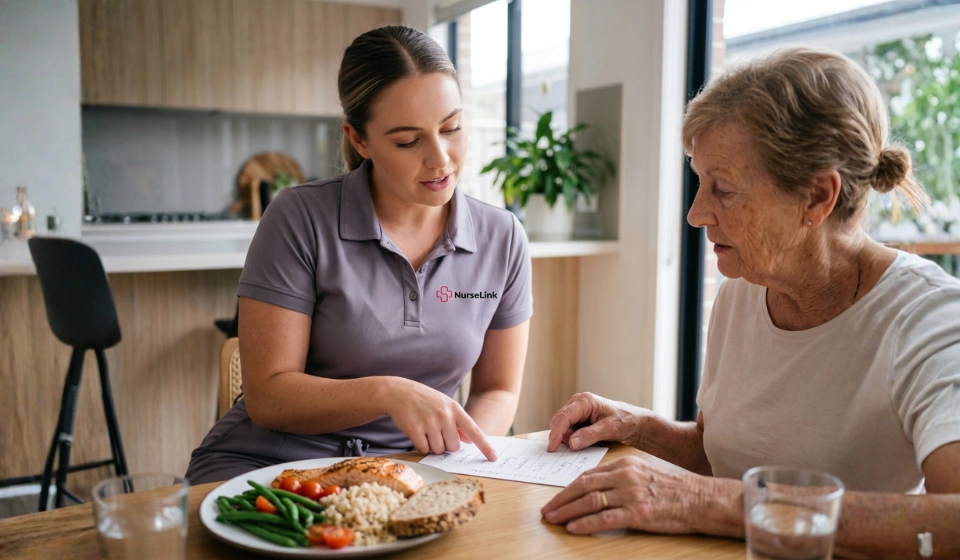
- Domestic help so housework and cooking do not trigger a flare.
- Staying socially connected, which protects mood and confidence.
- Reliable transport to medical and specialist appointments.
- Nursing at home to monitor symptoms and stay coordinated with the GP.
- Respite and practical support for family carers, who carry a real load of their own.
The key message is simple. No one has to manage chronic pain alone. With the right support around them, people can keep living safely and confidently in their own home. This is exactly the kind of everyday help our homecare team provides.
Key Takeaways
- Chronic pain lasts beyond normal healing, is a condition in its own right, and is genuinely felt even when no clear cause is found.
- It affects the whole person, including sleep, energy, mood and confidence, not just the body.
- Whether it counts as a disability depends on how much it limits daily life, which is assessed individually.
- It is manageable with the right combination of medical care, self guided strategies and everyday support.
If chronic pain is affecting your daily life, or that of someone you care for, speak with your healthcare team about a plan, and know that practical support at home can make living with it a great deal easier.
Source: https://www.aihw.gov.au/reports/chronic-disease/chronic-pain-in-australia/summary?__cf_chl_f_tk=.yMWBfNefJ3xduViAa1R0z2aL0jWFNynB_ScyFdUtNc-1782799540-1.0.1.1-tmr1IkAm7b1c5a2D6e9niI7nKbxabWAW3EeaQHPuakI