Summer can create additional challenges for homecare clients, particularly older adults, people with chronic health conditions, reduced mobility or difficulty recognising signs of heat stress. Hot indoor environments, dehydration and prolonged exposure to high temperatures can increase the risk of heat-related illness. Preparing the home before summer arrives can help carers and families maintain a safer, cooler and more comfortable environment. This involves assessing individual heat risks, improving ventilation and temperature control, encouraging appropriate hydration, reviewing medication and skin care, protecting against sun exposure, and preparing for heatwaves or power outages. With practical planning and regular monitoring, carers can reduce preventable risks and provide more responsive support throughout the warmer months.
Assessing Heat Risks For Elderly & Vulnerable Clients
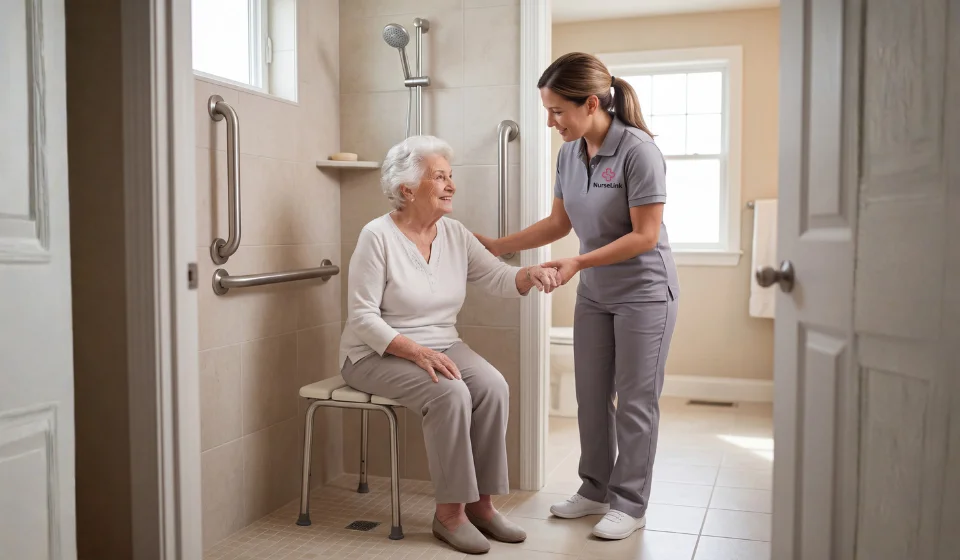
Older adults may be more vulnerable to high temperatures because the body’s ability to regulate temperature can become less effective with age. Changes in sweating, circulation and thirst can make it harder to recognise or respond to heat. Reduced mobility may also make it difficult to move to a cooler room, access water or adjust cooling equipment.
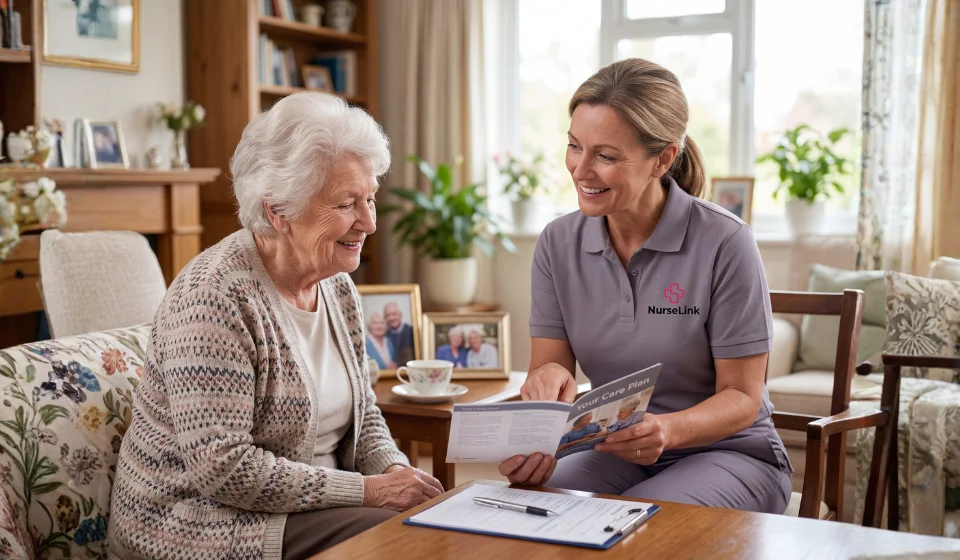
An individual risk assessment should be completed for each client. Consider their health conditions, mobility, cognitive abilities, medications, living arrangements and access to cooling. The home should also be assessed for rooms that become particularly warm, direct sunlight and potential barriers to accessing essential items. Identifying these risks early allows carers to make practical changes before extreme temperatures occur.
Health Conditions & Medications That Increase Heat Sensitivity
Certain conditions can increase sensitivity to heat. Cardiovascular disease may place additional strain on the body during hot weather, while diabetes can increase concerns around hydration. People living with dementia may forget to drink or may not recognise that they are becoming overheated.
Mobility issues can further increase risk because a person may not be able to relocate easily when a room becomes too warm. Some medications can also affect fluid balance, sweating or temperature regulation. Diuretics and some antihistamines are examples that may require consideration during hot weather. Carers should never change or stop medication independently. A GP or pharmacist can provide individual advice about heat sensitivity and medication management.
Cooling The Home: Ventilation, Shade, & Temperature Control
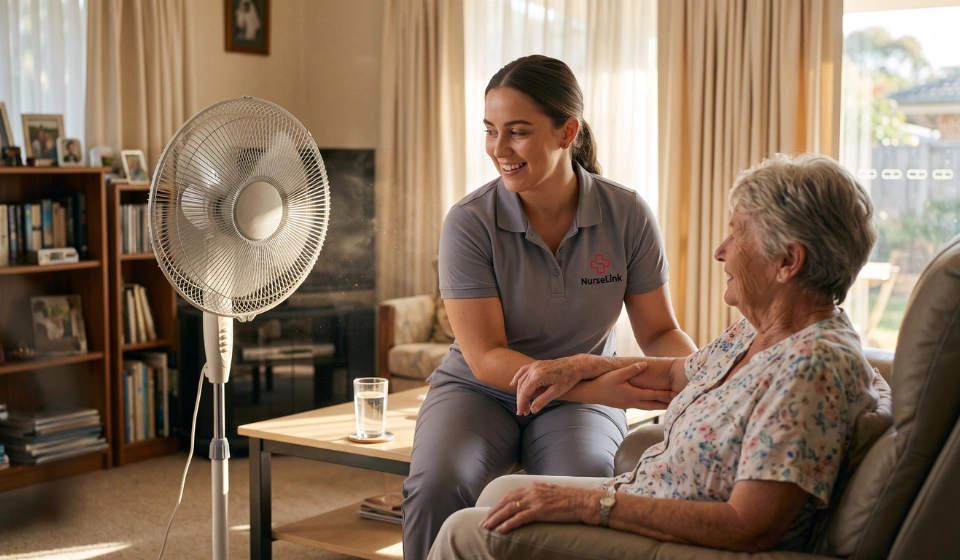
A cool home is one of the most important protections against heat-related illness. Air conditioning and fans should be checked and serviced before summer so that problems can be addressed before a heatwave. Curtains, blinds and external shading can reduce the amount of heat entering rooms, particularly where windows receive strong afternoon sunlight.
Natural ventilation can also be useful when outdoor conditions are cooler. Opening appropriate windows during the early morning or evening can encourage cross-ventilation, while windows and curtains can be managed during the hottest parts of the day to reduce heat entering the home.
- Service air conditioning and check fans before summer begins.
- Use curtains, blinds, awnings or external shading to reduce direct sunlight.
- Open suitable windows during cooler periods for better cross-ventilation.
- Identify the coolest room as a comfortable “safe zone” for hot periods.
- Keep water, seating and frequently used items within easy reach.
For clients with limited mobility, the safest setup should minimise unnecessary movement during the hottest part of the day. Fans should also be positioned securely, with electrical cords kept away from walking paths to reduce trip hazards.
Hydration & Nutrition Adjustments For Warmer Months
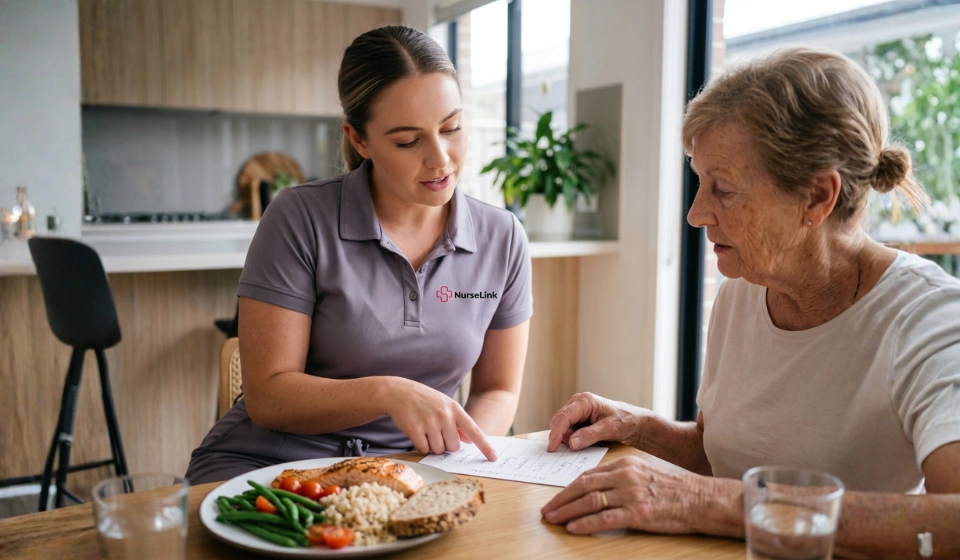
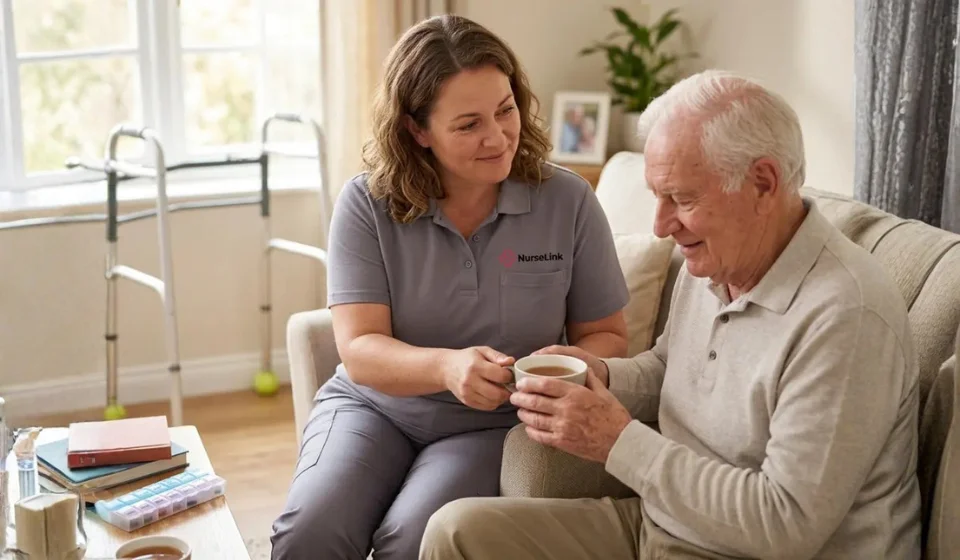
Hydration should be planned rather than relying entirely on thirst. Older adults may not always feel thirsty even when they need fluids, so carers can encourage regular drinks throughout the day according to the person’s care plan and medical advice. Keeping water within easy reach is particularly important for clients who have difficulty moving independently.
Food choices can also be adapted during warmer weather. Water-rich foods such as fruit and vegetables can contribute to fluid intake, while lighter meals may be more comfortable than large, heavy meals. However, nutrition should always reflect the client’s individual dietary requirements, preferences and existing health conditions.
Fluid Restrictions & Electrolyte Considerations
Some clients may have fluid restrictions because of conditions affecting the heart, kidneys or other aspects of their health. These clients should not simply be encouraged to increase their fluid intake because temperatures are rising. Families and carers should speak with the client’s GP or healthcare team about appropriate fluid levels.
Electrolyte drinks should also be used carefully because some contain high levels of sugar or sodium and may not suit everyone. Signs of dehydration can include dry mouth, darker urine, tiredness, dizziness, weakness, reduced urination and confusion. A significant change in alertness or behaviour should be taken seriously and discussed with an appropriate healthcare professional.
Safety Checks: Medications, Skin Care, & Sun Exposure
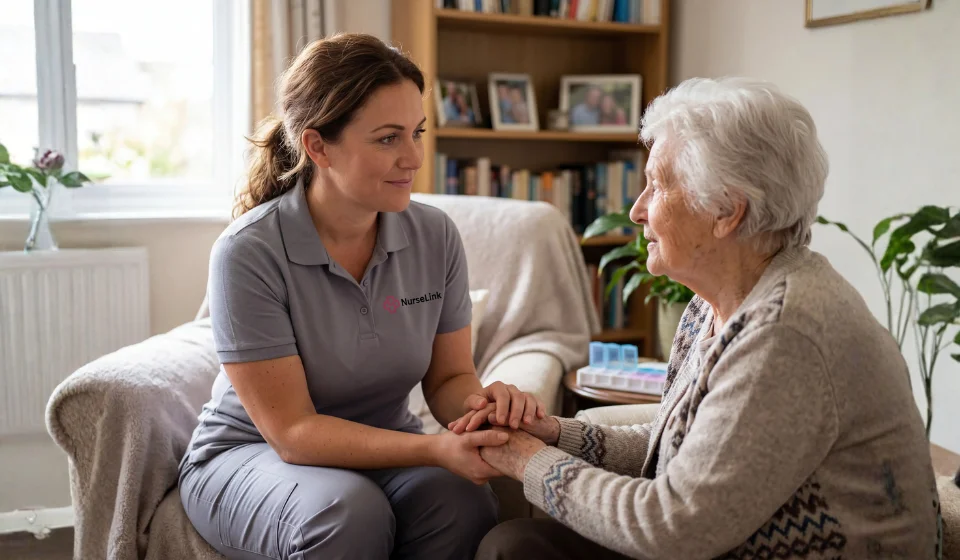
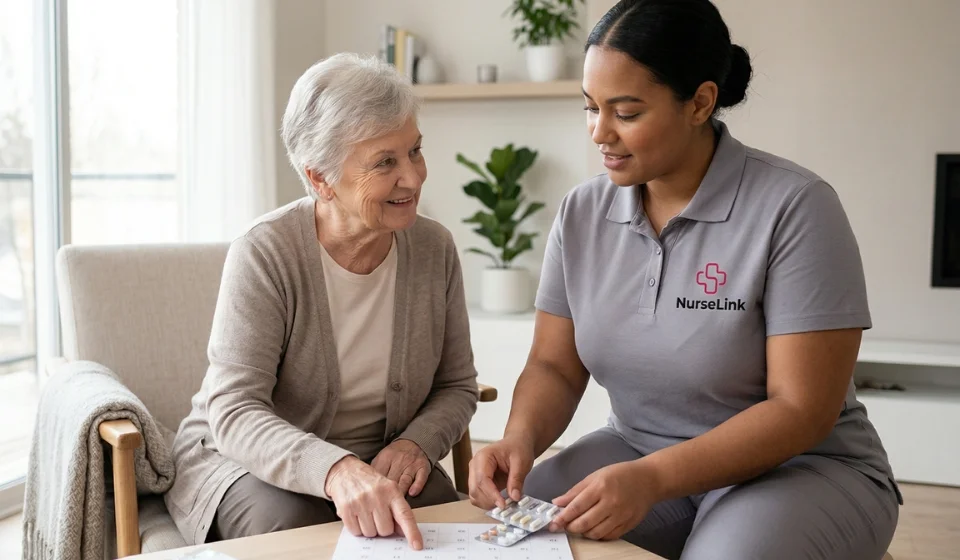
Medication storage is an important part of summer preparation. Some medicines can be affected by excessive heat and may have specific storage requirements. They should be kept according to the manufacturer’s or healthcare professional’s instructions and should not be left in hot areas such as cars, windowsills or poorly ventilated rooms.
If carers or families are unsure about storage requirements, they should speak with a pharmacist or GP. This is also an opportunity to discuss whether any of the client’s medicines could increase sensitivity to heat. Medication should never be stopped or changed without professional advice.
Sun Protection & Skin Checks
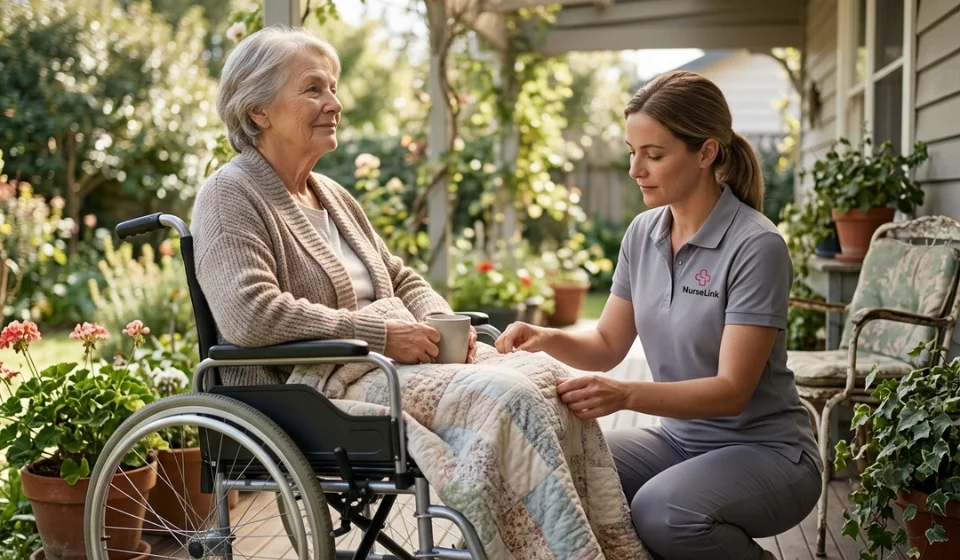
Sun protection remains important even when a client spends most of their time at home. Sunscreen, broad-brimmed hats and lightweight clothing can help reduce sun exposure when outdoors. Where possible, outdoor activities should be planned for cooler parts of the day.
Regular skin checks are particularly valuable for people with reduced mobility or those who spend long periods sitting or lying down. Carers should watch for heat rash, sunburn, redness, irritation and pressure-related changes. Existing skin care and repositioning routines should continue according to the client’s care plan. These simple summer safety tips for seniors can help support comfort while reducing avoidable skin and heat-related problems.
Emergency Preparedness For Heatwaves & Power Outages
A heatwave action plan gives carers and families a clear response when temperatures become extreme. It should include emergency contact details, healthcare contacts, relevant medication information, the preferred cooling area and arrangements for additional check-ins. Everyone involved in the client’s care should know what to do if the person’s condition changes.
Power outages require additional planning when a client depends on electricity for essential equipment. This may include oxygen concentrators, medication refrigerators or other medical devices. Families should discuss backup options with healthcare providers and equipment suppliers before summer so that an outage does not create an avoidable emergency.
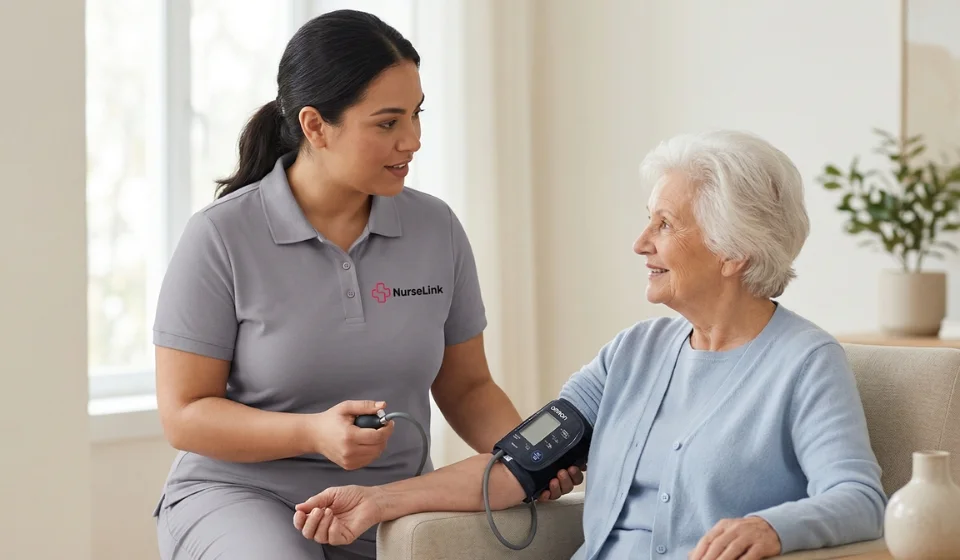
It is also sensible to keep essential supplies accessible, including prescribed medications, communication devices and emergency contact information. During extreme heat, clients who live alone or have significant health or mobility risks may benefit from more frequent visits or phone check-ins.
Heat Exhaustion Vs Heat Stroke
Heat exhaustion can cause heavy sweating, weakness, dizziness, headache, nausea, thirst and clammy skin. If these symptoms occur, move the person to a cooler environment and follow their care plan and appropriate medical advice.
Heat stroke is much more serious and can be life-threatening. Warning signs can include confusion, altered behaviour, collapse, seizures or loss of consciousness. If heat stroke is suspected, call 000 immediately and follow the emergency operator’s instructions while taking reasonable steps to cool the person.
Understanding how to keep elderly cool in hot weather is particularly important when temperatures remain high for several days. Regular monitoring allows carers to notice changes early rather than responding only once a serious problem has developed.
Final Thoughts
Preparing a homecare client’s home for summer is primarily about proactive prevention. Individual risk assessment, effective cooling, planned hydration, medication and skin checks, sun protection and emergency preparation can help create a safer environment during hot weather. Carers play an important role by identifying risks early, monitoring changes and adapting support rather than waiting for an emergency. Families and carers who need additional assistance can contact NurseLink Healthcare to explore personalised homecare support focused on safety, comfort and individual wellbeing.