Art therapy is a creative approach that can support emotional wellbeing, social connection, cognitive stimulation and quality of life in older Australians. Activities such as painting, drawing, crafts and visual storytelling can encourage self-expression, enjoyment and meaningful participation while complementing other aged care and healthy ageing activities.
What Is Art Therapy & How Does It Support Older Australians?
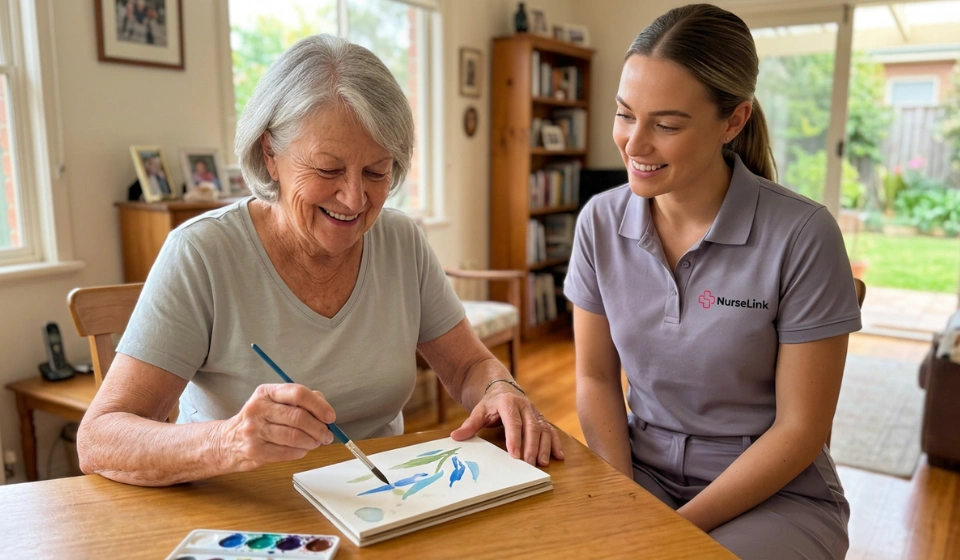
Art therapy is a structured therapeutic approach that uses creative activities to support emotional, psychological and social wellbeing. A qualified art therapist may use drawing, painting, sculpture or other creative processes to help people express feelings, communicate experiences and explore personal concerns.
It is useful to distinguish formal art therapy from general creative activities. Formal art therapy is guided by a trained professional and is tailored to therapeutic needs, while activities such as colouring, painting or crafting for enjoyment can provide valuable opportunities for engagement without being formal therapy. Understanding what is art therapy means recognising that the process and personal experience are often more important than producing technically impressive artwork.
For older Australians, creative activities can provide another way to communicate thoughts and emotions. They may be particularly valuable when someone finds it difficult to express feelings through conversation. Art therapy can also be incorporated into aged care settings as an individual or group activity. Sessions can be adapted according to mobility, vision, cognitive ability, interests and personal preferences. A supportive, comfortable and non-judgemental environment helps older people participate without feeling pressured to produce perfect artwork.
What Are The Benefits Of Art Therapy For Older Adults?
The benefits of art therapy can include improved emotional expression, cognitive engagement, social interaction, confidence and opportunities for enjoyment. However, outcomes vary according to an individual’s needs, abilities, interests and level of participation.
Emotional Wellbeing
Creative activities can provide an outlet for emotions and personal experiences. Drawing or painting may help older adults communicate feelings that are difficult to describe verbally. Art can also provide a calming activity that supports relaxation and stress management.
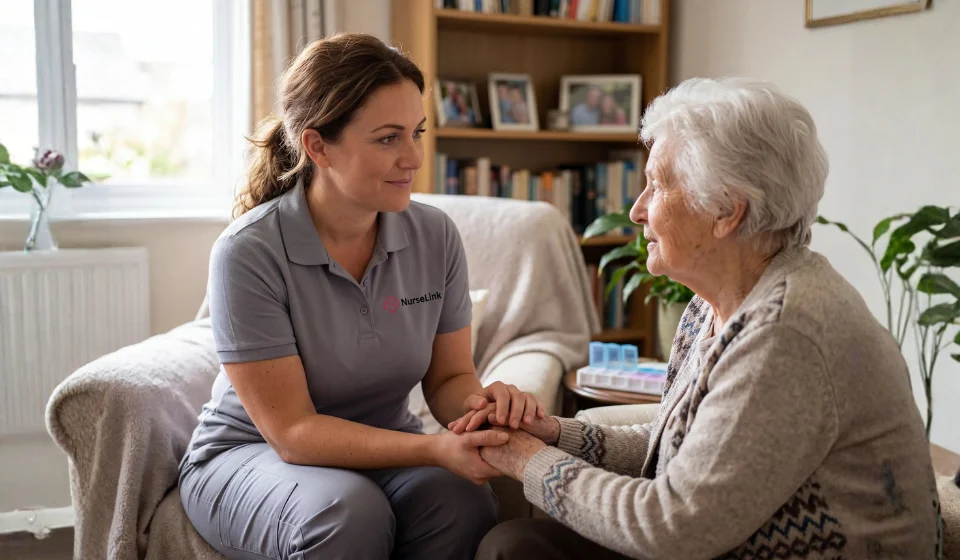
The art therapy benefits for seniors may be especially meaningful during periods of change, including retirement, bereavement, reduced independence or adjustment to a new living environment. Art therapy should complement, rather than replace, appropriate medical or mental health support.
Cognitive Health
Art activities can encourage concentration, attention, memory and mental stimulation. Choosing colours, planning an image and completing a craft project involve decision-making and problem-solving, creating opportunities for purposeful cognitive engagement.
Creative activities should not be described as a cure for dementia or other cognitive conditions. Instead, they can provide enjoyable and structured opportunities for mental engagement that can be adapted to a person’s abilities.
Social Connection
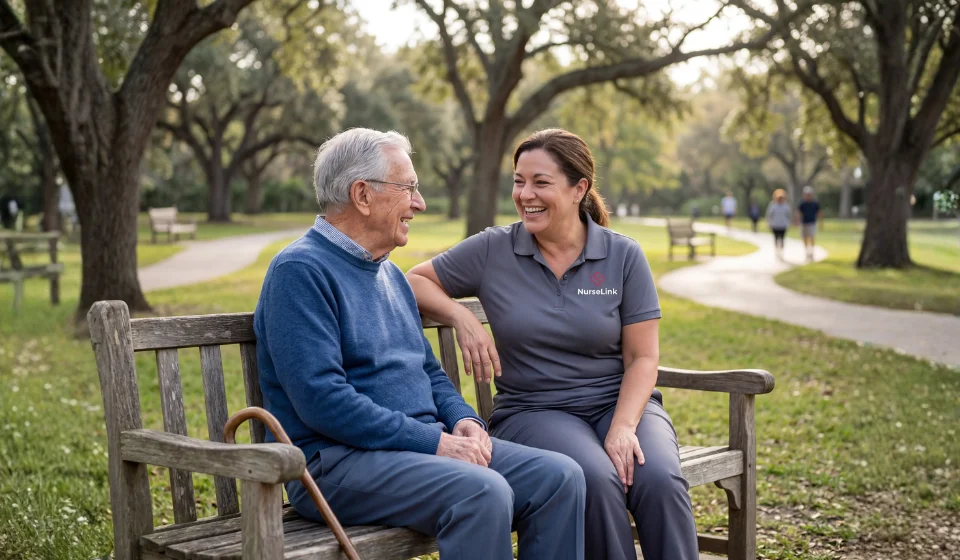
Group art activities can encourage conversation, cooperation and shared experiences. Participants can discuss their work, exchange ideas or simply enjoy spending time together.
This social aspect can be particularly valuable for older people experiencing loneliness or reduced community participation. Regular creative groups can provide opportunities to develop relationships and maintain social connections.
Confidence & Self-Esteem
Completing a creative project can provide a sense of achievement and personal expression. Allowing older adults to choose their own colours, subjects and materials can also encourage independence and personal control.
The focus should remain on participation rather than artistic ability. Positive encouragement can help people feel that their ideas and creative choices are valued.
Quality Of Life
Meaningful creative activities can add variety, enjoyment and purpose to everyday routines. For people receiving aged care, having opportunities to pursue personal interests can make daily experiences more engaging and individualised.
The effects are different for everyone. Some people may prefer social group activities, while others may enjoy quiet individual projects. Activities should therefore reflect personal preferences and support needs.
Art Therapy Activities Suitable For Seniors
Art therapy activities for older adults can range from simple drawing to group creative projects. The most appropriate activity depends on the person’s interests, physical abilities, cognitive needs and comfort level.
Common options include:
- Drawing, colouring, painting and watercolour activities.
- Collage, mixed-media projects, clay, simple crafts and photography.
- Art journaling, visual storytelling, creative writing combined with artwork and group art projects.
Activities can be modified for people with reduced mobility, limited vision or cognitive changes. Larger brushes, easy-grip tools, high-contrast materials, thicker paper and simplified instructions may make participation easier.
For someone with limited hand movement, larger tools or less detailed projects may be more suitable. People experiencing cognitive changes may benefit from familiar subjects and simple step-by-step instructions. Artistic skill is not the main goal. Participation, enjoyment, personal choice and self-expression are what make creative activities meaningful.
How To Get Started With Art Therapy At Home Or In Aged Care
Getting started begins with identifying the older person’s interests and choosing an activity that feels comfortable rather than challenging. There is no need to begin with complicated projects or expensive materials.
Practical steps include:
- Ask about preferred creative activities and hobbies.
- Start with short, simple and enjoyable projects.
- Choose safe, accessible and easy-to-use materials.
- Create a comfortable, well-lit and uncluttered workspace.
- Allow the person to select colours, materials and subjects.
- Focus on participation instead of artistic results.
- Gradually increase the length or complexity of activities.
At home, a small table with paper, pencils, washable paints or craft supplies can create a dedicated creative space. Family members and carers can participate when appropriate while still allowing the older person to make independent choices.
In aged care settings, creative sessions can be offered individually or as part of group wellbeing programs. Activities should be adjusted according to residents’ abilities and preferences.
When structured therapeutic intervention is appropriate, families can explore professional art therapy with relevant healthcare or aged care professionals. Understanding how art works as therapy involves recognising that a professional may use creative activities to support communication, emotional exploration and individual therapeutic goals.
How To Make Art Therapy A Meaningful Part Of Healthy Ageing
Making creative activities part of healthy aging works best when they are regular, personalised and connected to everyday interests. Art can become more meaningful when it encourages choice, social participation and personal expression.
Five practical approaches can help:
- Create A Regular Routine: Include creative activities at a comfortable and consistent time each week.
- Encourage Independence: Let the older person choose activities, colours, subjects and materials whenever possible.
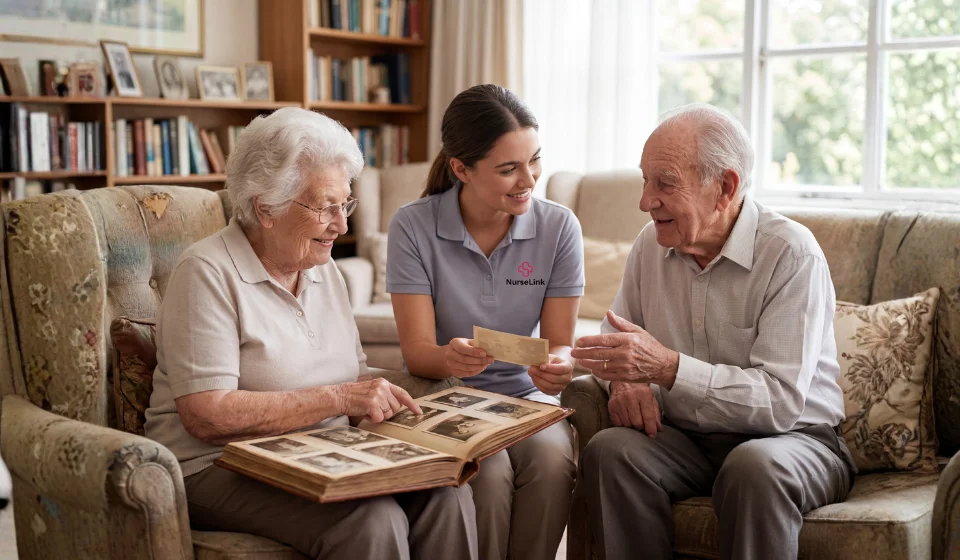
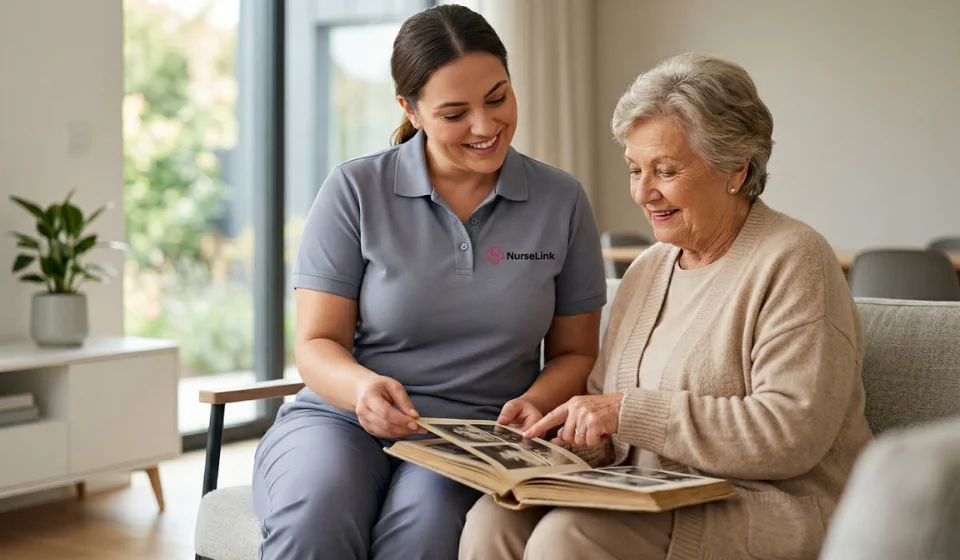
- Connect Art With Memories: Use photographs, favourite places, hobbies, family experiences or cultural traditions as inspiration.
- Promote Social Participation: Group projects can encourage conversation, friendships and community involvement.
- Celebrate The Process: Focus on effort, enjoyment and personal meaning rather than the finished artwork.
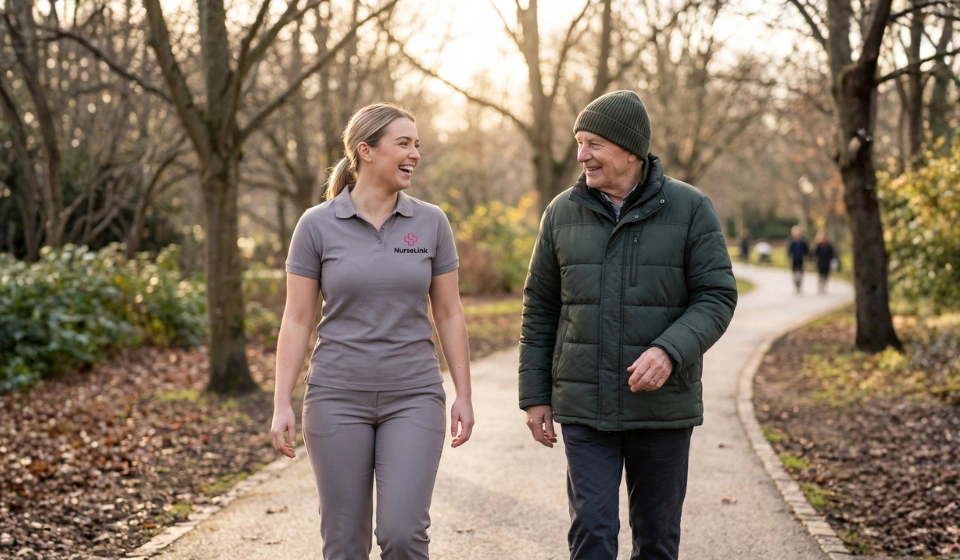
Creative activities can complement other healthy ageing strategies, including physical activity, social engagement and meaningful daily routines. Family members and carers can participate when invited, helping create positive shared experiences.
Consistency is also important. Activities may need to change as abilities, interests or support needs change. A project that is enjoyable today can be simplified or adapted later to maintain comfortable and meaningful participation.
Conclusion
Art therapy can support emotional wellbeing, cognitive stimulation, social connection and quality of life for older Australians. The importance of art therapy lies less in artistic perfection and more in creating meaningful opportunities for expression, participation and personal choice. Families, carers and aged care providers can encourage creative activities that reflect individual interests and abilities while seeking professional support when formal art therapy is appropriate.
Frequently Asked Questions
What Are The Benefits Of Art Therapy?
The benefits of art therapy can include emotional expression, relaxation, cognitive engagement, social interaction and a sense of achievement. For older adults, creative activities can provide meaningful ways to communicate feelings and remain engaged with everyday life. The experience varies between individuals, so activities should be adapted to personal interests, abilities and wellbeing needs.
What Can Art Therapy Help With?
Art therapy can help support emotional expression, communication, relaxation, social engagement and meaningful participation. It may complement broader support for older people experiencing loneliness, stress, life changes or difficulty expressing emotions. It should not replace medical or mental health treatment when that care is needed, but it can form part of a broader wellbeing approach.
Is Art Therapy Effective?
Art therapy can be a useful complementary approach for supporting emotional and social wellbeing, although its effects vary between individuals. It is not a universal treatment or cure for medical conditions. Formal art therapy should be provided by an appropriately trained professional, while general creative activities can provide additional opportunities for enjoyment, self-expression and engagement.
What Is The Purpose Of Art Therapy?
The purpose of art therapy is to use creative processes to support emotional, psychological and social wellbeing. It can provide another way to communicate feelings, explore experiences and encourage self-expression. For older adults, it may also promote meaningful engagement and social participation while complementing appropriate healthcare, aged care and wellbeing support.