Cerebral palsy can affect walking, balance, communication and everyday activities. Some people experience mild movement difficulties, while others require assistance with mobility and personal care. Understanding the condition helps families recognise early signs, seek medical advice and make informed care decisions. Early intervention, appropriate therapies and personalised support can help individuals develop skills and participate more confidently in daily life.
What Is Cerebral Palsy? Understanding Its Types
Cerebral palsy is a condition affecting movement and posture because of changes in the developing brain. This explanation of cerebral palsy helps distinguish it from progressive diseases that continuously damage the brain.
The types of cerebral palsy are classified according to movement patterns and muscle control. Although the original brain disturbance is generally non-progressive, physical needs and associated complications can change over time.
- Spastic Cerebral Palsy: Causes increased muscle stiffness, making walking and controlling movements more difficult.
- Dyskinetic Cerebral Palsy: Involves involuntary movements affecting the hands, feet, face or torso.
- Ataxic Cerebral Palsy: Affects balance and coordination, making walking and handling objects challenging.
- Mixed Cerebral Palsy: Combines features of different types, such as stiffness and involuntary movements.
- Effects On Daily Activities: Cerebral palsy may affect sitting, dressing, eating and communication. Assistive equipment and practical support can improve independence.
Is cerebral palsy a neurological condition? Yes. It affects the brain’s control of movement and posture. Although the original condition is generally non-progressive, pain, joint stiffness and mobility difficulties may develop with age.
What Causes Cerebral Palsy & What Are The Risk Factors?
The cause of cerebral palsy is an injury to or abnormal development of the developing brain. These changes may occur during pregnancy, around birth or in early childhood. Sometimes, the precise cause remains unknown.
Risk factors increase the likelihood of cerebral palsy but do not guarantee that a child will develop it.
- Before Birth: Abnormal brain development, certain pregnancy infections and some genetic changes can contribute.
- During Birth: Complications affecting oxygen supply can sometimes cause brain injury, although oxygen deprivation during labour accounts for only a minority of cases.
- Premature Birth: Babies born very prematurely or with very low birth weight face increased risk because their brains are more vulnerable.
- After Birth: Serious infections, strokes and significant head injuries during infancy can damage the developing brain.
- Other Risk Factors: Multiple births and certain pregnancy or neonatal complications may increase risk.
A risk factor does not necessarily establish the cause of an individual’s condition. Healthcare professionals consider medical history, birth records and developmental assessments when investigating possible causes.
What Are The Common Signs & Symptoms Of Cerebral Palsy?
The symptoms of cerebral palsy vary according to which parts of the brain are affected. Recognising the signs of cerebral palsy helps families seek timely assessment and appropriate support.
- Early Signs: Babies may struggle to hold their heads steady, roll over or sit independently. Unusual muscle stiffness or floppiness may also warrant assessment.
- Movement Difficulties: Symptoms include stiff muscles, weakness, involuntary movements and poor balance.
- Delayed Milestones: Some children sit, crawl, stand or walk later than expected and may require mobility aids.
- Associated Difficulties: Some individuals experience speech, swallowing, vision or hearing difficulties. Seizures and learning difficulties may also occur.
- Varying Severity: Symptoms range from mild movement difficulties to complex support needs. Seek medical advice if developmental concerns persist or previously acquired skills are lost.
Cerebral palsy affects everyone differently. A professional assessment helps determine whether symptoms indicate cerebral palsy or another condition. Losing previously acquired skills requires prompt medical evaluation.
How Is Cerebral Palsy Diagnosed & Managed?
Cerebral palsy is diagnosed through developmental monitoring, medical history, physical examinations and neurological assessments. Early identification helps families understand support needs and begin appropriate therapies.
- Developmental Monitoring: Professionals assess movement, posture, muscle tone and progress towards developmental milestones.
- Medical Examinations: Doctors evaluate reflexes, coordination, muscle strength and developmental history.
- Brain Imaging: MRI scans may help identify brain changes when clinically appropriate. Additional tests can investigate seizures or alternative explanations for symptoms.
- Diagnosis Timing: When is cerebral palsy diagnosed? Signs may appear during infancy, although some children receive a diagnosis later. Can cerebral palsy be diagnosed before birth? Prenatal scans may identify brain abnormalities, but cerebral palsy itself generally cannot be definitively diagnosed before birth.
- Individualised Management: Care plans consider abilities, health concerns, personal goals and support needs. Regular reviews help adjust treatments and equipment.
Early intervention can support movement, communication and daily living skills. Ongoing monitoring also helps identify pain, joint problems and feeding difficulties that may require treatment.
Treatment Options, Therapies & Support For People With Cerebral Palsy
Cerebral palsy treatments aim to manage symptoms, improve functional abilities and support independence. Although there is currently no cure, personalised treatment can help individuals achieve meaningful goals.
Physiotherapy supports movement, strength, balance and flexibility. Occupational therapy helps people develop daily living skills, including dressing and eating. Speech and language therapy can support communication and swallowing when appropriate.
Medical treatment may include medicines for muscle stiffness, pain or seizures. Some individuals benefit from specialist procedures or surgery to address particular movement difficulties. Qualified healthcare professionals can explain the potential benefits and risks.
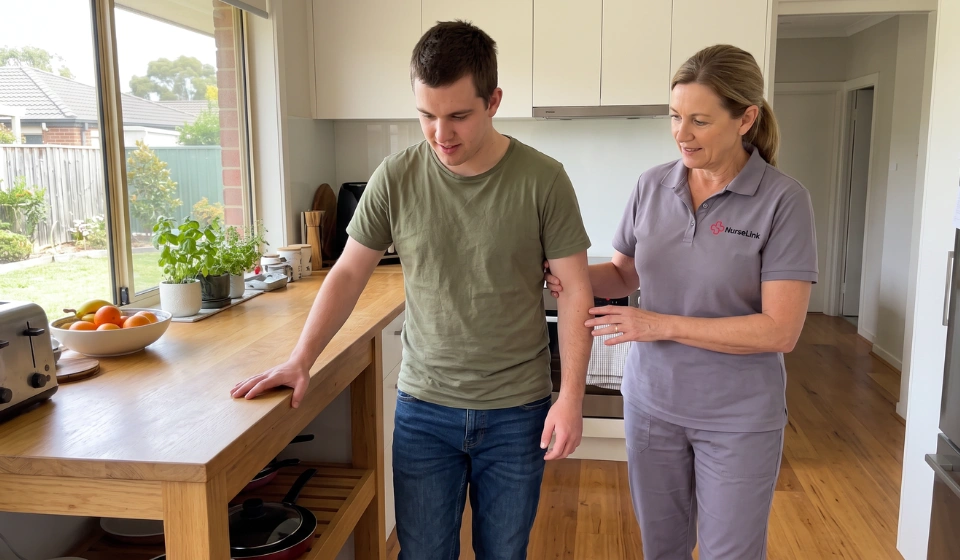
Practical support is equally important. Assistive technology, accessible environments, inclusive education and positive relationships can improve participation. Families can encourage independence by offering choices and involving individuals in decisions about their care.
Important support options include:
- Therapy & Personal Care: Physiotherapists, occupational therapists, speech pathologists and trained support workers can help individuals achieve daily living goals.
- Assistive Technology: Wheelchairs, walking aids, communication devices and home modifications can improve accessibility and independence.
- NDIS Support: The National Disability Insurance Scheme (NDIS) provides eligible Australians with funding for approved disability-related supports according to their individual circumstances and plan.
Emotional wellbeing also matters because social exclusion and accessibility barriers can affect confidence. Healthcare providers such as NurseLink Healthcare can help families explore suitable nursing, homecare and disability support options. Funding eligibility should be confirmed before services begin.
Conclusion
Cerebral palsy affects movement and posture, with causes, symptoms and support needs varying between individuals. Understanding its types and early signs helps families seek appropriate assessment and treatment. Although cerebral palsy cannot currently be cured, personalised therapies, assistive technology and suitable disability support can improve daily functioning and quality of life. Working with healthcare professionals encourages independence and meaningful community participation.
Frequently Asked Questions
How Common Is Cerebral Palsy?
Cerebral palsy is one of the most common causes of physical disability beginning in childhood. It affects people worldwide, with prevalence varying between populations. Babies born very prematurely have a higher risk. Individual developmental assessments help families understand support needs and plan appropriate care.
Can We Prevent Cerebral Palsy?
Not all cases can be prevented because some involve abnormal brain development or unpredictable medical events. Appropriate pregnancy care, infection prevention and prompt treatment of serious illnesses may reduce certain risks. Families should follow professional medical advice without assuming cerebral palsy is always preventable.
Does Cerebral Palsy Affect The Brain?
Yes. Cerebral palsy results from injury to or abnormal development of the developing brain, particularly areas controlling movement and posture. The original disturbance is generally non-progressive, although associated physical complications can change with age. Regular healthcare reviews help identify changing needs.
Does Cerebral Palsy Have Mental Effects?
Some individuals experience learning difficulties, intellectual disability, communication challenges or seizures, while others have typical intellectual abilities. Emotional wellbeing may also be affected by social barriers or exclusion. Individual assessments help identify suitable educational, psychological and practical support.
What Are The Main Types Of Cerebral Palsy?
The main types are spastic, dyskinetic, ataxic and mixed cerebral palsy. They affect muscle stiffness, involuntary movement, balance and coordination differently. A healthcare professional can explain an individual’s symptoms and recommend appropriate treatments and support.