Many seniors with arthritis worry that exercise will make their joint pain worse. It is an understandable concern, particularly when movement already feels stiff or uncomfortable, but avoiding activity altogether can often make stiffness, weakness and reduced mobility more difficult to manage. When chosen carefully, regular low-impact movement can support joint function, maintain muscle strength and make everyday activities easier. The key is not to push through significant pain, but to choose controlled movements that match a person’s abilities and health needs. This guide explains why exercise can benefit people with arthritis and provides practical exercises that can be performed at home to support strength, flexibility, balance, mobility and joint function.
Why Exercise Helps (Not Hurts) Arthritis
Movement can help joints stay mobile and reduce the stiffness that often develops after sitting or resting for extended periods. Gentle activity encourages the movement of synovial fluid around joints, helping them move more comfortably. Regular exercise can also support flexibility and make everyday movements such as standing, walking, reaching and getting dressed easier.
Strengthening the muscles surrounding an affected joint can provide additional support and reduce some of the load placed directly on the joint. Exercise can also improve balance and coordination, which may reduce the risk of falls. However, exercise should be appropriate for the individual. Anyone starting a new routine, particularly someone with significant arthritis, other health conditions or an active flare-up, should consider speaking with a GP or physiotherapist first.
Lower Body Exercises To Build Strength & Stability
Lower body strength is closely linked to mobility and independence. Stronger legs and hips can make everyday tasks such as standing from a chair, climbing steps and walking around the home easier and more stable.
Chair Sit-To-Stands
Chair sit-to-stands are a practical exercise for strengthening the muscles needed for everyday movement. They primarily work the quadriceps and glutes while also encouraging balance and coordination.
Start with a sturdy chair placed against a wall or another stable surface. Sit towards the front of the chair with both feet flat on the floor. Lean slightly forward and push through your feet to stand up slowly. Pause briefly, then lower yourself back into the chair with control rather than dropping down.
Start with 5 to 8 repetitions and gradually work towards 2 sets if comfortable. The movement should remain controlled. If standing without assistance is difficult, use the chair arms or have appropriate support nearby.
Seated Leg Extensions
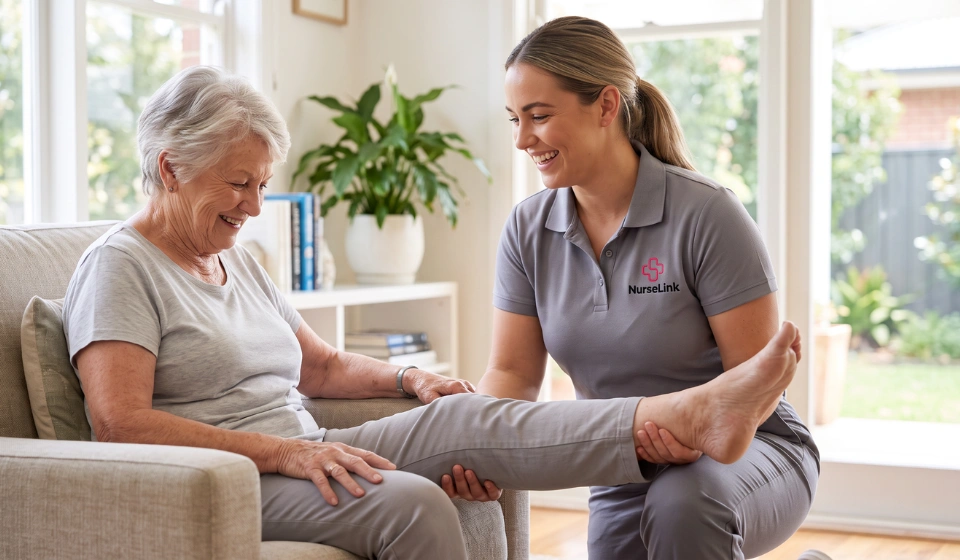
Seated leg extensions are particularly useful for building strength around the knees without requiring the person to stand. Sit upright in a sturdy chair with both feet on the floor. Slowly extend one leg until the knee is comfortably straight, pause for a moment and then lower it back down.
Alternate between legs and perform around 8 to 10 repetitions on each side. This exercise targets the quadriceps and can contribute to better knee stability during everyday activities. Avoid forcing the knee into a painful position, and reduce the range of movement if necessary.
Ankle Circles
Ankle circles are simple movements that can be performed while sitting. Lift one foot slightly from the floor and slowly rotate the ankle in a circular motion. Complete several circles in one direction before changing direction, then repeat with the other foot.
This exercise helps maintain ankle flexibility and encourages regular movement after periods of sitting. It can also be incorporated into daily routines, such as while watching television or taking a rest break between other activities.
Heel Raises
Heel raises can help strengthen the calf muscles while also supporting balance. Stand behind a sturdy chair and hold it for support. Slowly raise both heels from the floor, rising onto the balls of the feet, then lower them gradually.
Start with 8 to 10 repetitions and increase gradually as strength improves. The movement should be slow and controlled. If standing exercises are not suitable, a similar movement can be performed while seated by lifting the heels from the floor.
Seated Marching
Seated marching is a gentle way to work the hips and encourage core engagement without putting significant pressure on the lower body. Sit upright in a sturdy chair with your feet flat on the floor. Lift one knee towards the chest as far as comfortable, lower it and then repeat with the opposite leg.
Continue alternating legs for approximately 30 seconds to one minute. Keep the upper body upright and avoid leaning excessively from side to side. This movement can be useful as a gentle warm-up before other exercises.
Upper Body Exercises For Everyday Movement
Upper body strength and mobility support many everyday tasks, including reaching for items, carrying light objects, dressing and maintaining good posture. Gentle strengthening and mobility exercises can help seniors remain more comfortable and capable during these activities.
Wall Push-Ups
Wall push-ups offer a lower-impact alternative to traditional floor push-ups and can strengthen the chest, shoulders and arms without placing as much pressure on the wrists.
Stand facing a clear wall with your feet a comfortable distance away. Place your palms against the wall at approximately shoulder height. Slowly bend your elbows and lean your body towards the wall, keeping your back relatively straight. Push gently away from the wall to return to the starting position.
Begin with 5 to 10 repetitions and increase gradually. Make sure the floor is clear and stable before starting. Anyone experiencing shoulder or wrist pain should stop and seek professional advice about suitable modifications.
Shoulder Rolls
Shoulder rolls are a simple mobility exercise that can help release tension and encourage comfortable shoulder movement. Sit or stand upright with your arms relaxed. Slowly move your shoulders upwards, gently roll them backwards and then lower them. Repeat several times before changing direction.
Keep the movement smooth rather than forcing the shoulders through a large range. Shoulder rolls can be particularly useful after prolonged sitting and may be included as a short movement break throughout the day.
Stretching & Flexibility For Joint Relief
Flexibility exercises can help reduce the feeling of stiffness and support a comfortable range of motion. Stretching should feel gentle rather than painful, with movements performed slowly and without bouncing. The goal is to maintain mobility rather than force a joint into a position it cannot comfortably reach.
Knee-To-Chest Stretch
The knee-to-chest stretch can support flexibility around the hips and lower back. Lie comfortably on a suitable surface, or perform a modified version while seated if getting down to the floor is difficult. If lying down, gently bring one knee towards the chest while keeping the other leg comfortable. Hold the position briefly before returning to the starting position and repeating with the other leg.
Never force the knee towards the chest. The movement should create a gentle stretch without sharp or increasing pain. This is one of the useful stretching exercises for seniors with arthritis when adapted to the person’s mobility and comfort.
Chair Yoga
Chair yoga can provide a gentle way to combine stretching, mobility, breathing and relaxation without requiring participants to get onto the floor. Simple movements may include seated spinal stretches, gentle side bends, shoulder movements, ankle movements and controlled breathing.
One benefit of chair-based exercise is that movements can often be modified to suit different abilities. A short session can help the body feel less stiff while also promoting relaxation. Seniors should work within their comfortable range and avoid positions that cause pain, dizziness or instability.
Gentle Cardio To Keep The Body Moving
Low-impact cardiovascular activity supports heart and lung health while helping maintain overall endurance without placing the same impact on joints as activities such as running or jumping. Regular movement can also support energy levels and make everyday physical activities feel more manageable.
Gentle Walking
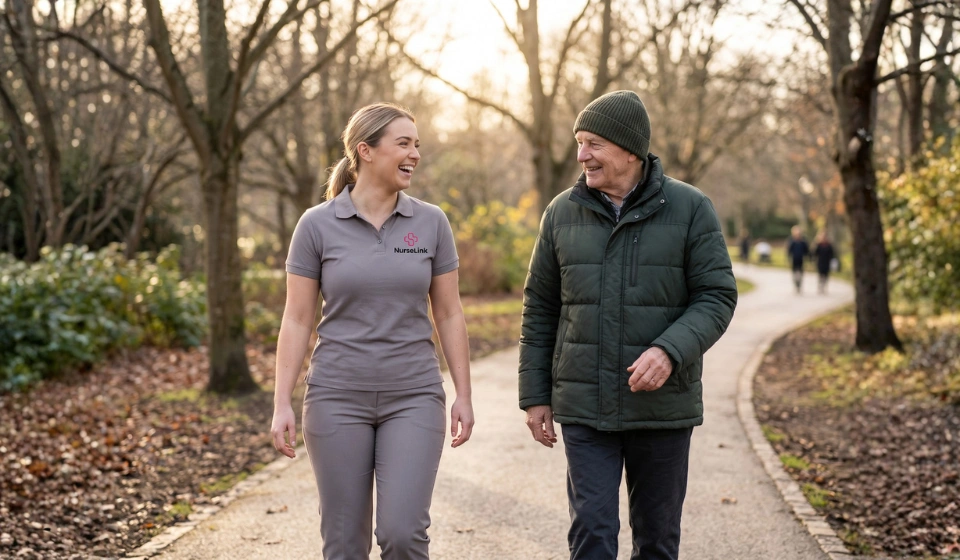
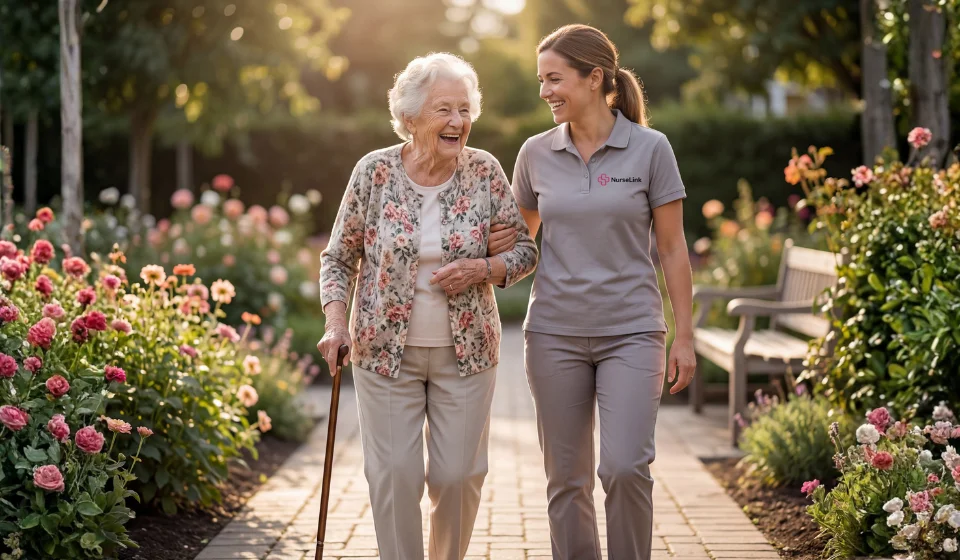
Walking is often one of the simplest ways to introduce cardiovascular activity into a daily routine. Start at a comfortable pace that allows normal conversation without excessive breathlessness. Even short walks around the home, garden or another safe area can be useful when longer walks are not appropriate.
Begin with around 5 to 10 minutes and gradually increase duration as tolerated. Wear supportive, comfortable footwear and choose a clear, level walking surface where possible. During an arthritis flare-up, reduce the duration or intensity rather than forcing the usual routine. Some people may benefit from several short walks throughout the day instead of one longer session.
The best exercise for seniors with arthritis is not necessarily the most demanding one. A suitable routine is one that can be performed consistently, safely and comfortably while supporting the individual’s goals.
Key Takeaways
Exercise can support rather than harm arthritic joints when movements are appropriate, controlled and adapted to the person’s abilities. Starting slowly, maintaining good technique, taking rest breaks and listening to the body are essential. Significant pain, swelling, dizziness or other unusual symptoms should not be ignored, and people with complex health needs should seek guidance from a GP or physiotherapist before beginning a new exercise routine. Families and carers who want personalised support can also reach out to NurseLink Healthcare for guidance focused on safe, individualised care and maintaining independence at home.