Brain-stimulating games and cognitive activities help older adults keep their minds active, practise memory and improve concentration. Activities such as puzzles, reading, music and social games provide opportunities for mental stimulation. When included in everyday routines, they can support cognitive health, encourage social interaction and contribute to a more fulfilling ageing experience.
Why Are Brain-Stimulating Games Important For Older Adults?
Brain-stimulating games are important for older adults because they encourage mental engagement, support memory and provide opportunities to practise concentration and problem-solving. Regular participation in enjoyable mental activities can help seniors maintain cognitive skills and establish a more engaging daily routine.
As people age, changes in processing speed, attention and memory can make some everyday tasks more challenging. Brain games provide opportunities to practise these skills in a relaxed environment. They also offer a sense of achievement when older adults complete a puzzle, remember information or learn a new strategy.
Some important benefits of brain stimulation include:
- Improved Memory & Concentration: Memory games, puzzles and word challenges encourage seniors to recall information, recognise patterns and focus on specific tasks.
- Better Problem-Solving Skills: Strategy games and number puzzles require logical thinking, planning and decision-making, helping older adults practise these abilities.
- Support For Cognitive Function: Regular mental stimulation engages different thinking skills, including attention, language, reasoning and memory.
- Improved Mental Wellbeing: Enjoyable activities can provide a sense of accomplishment, reduce boredom and give older adults something positive to look forward to.
- Encouragement Of Healthy Aging: Participating in mentally engaging activities can help seniors maintain interests, build confidence and stay involved in everyday life.
Brain games are not a treatment for dementia or other cognitive conditions. However, they can be a valuable part of a broader approach to healthy aging, alongside physical activity, adequate sleep, social interaction and appropriate healthcare.
Best Brain-Stimulating Games For Seniors To Improve Memory & Focus
The best brain-stimulating games for seniors are activities that challenge memory, attention and reasoning while remaining enjoyable and manageable. Different games exercise different cognitive skills, so choosing a variety of activities can help older adults maintain their interest and mental engagement.
Some games can be played independently, while others encourage social interaction with friends, family members or carers. Here are several practical options for older adults.
Crossword Puzzles & Word Games: Crossword puzzles encourage vocabulary, language skills and memory recall. Word searches and word association games also help seniors recognise patterns and concentrate on specific tasks. These activities can be adjusted to different difficulty levels.
Sudoku & Number Puzzles: Sudoku encourages logical reasoning, concentration and problem-solving. Older adults must identify number patterns and work through a puzzle systematically. Beginners can start with simple grids before attempting more challenging versions.
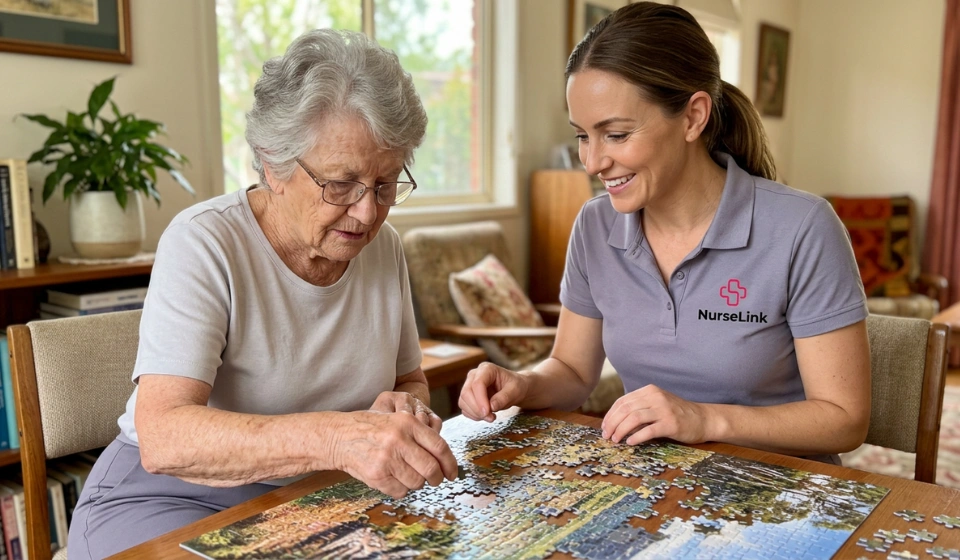
Jigsaw Puzzles & Matching Games: Jigsaw puzzles encourage visual recognition, attention to detail and spatial reasoning. Matching games, where players find pairs of identical cards, help practise visual memory and concentration. These activities can also be enjoyed with family members.
Memory Card Games & Recall Exercises: Memory card games involve remembering the positions of cards and finding matching pairs. Other recall exercises, such as remembering shopping lists or identifying objects shown earlier, provide opportunities to practise short-term memory.
Chess, Checkers & Strategy-Based Games: Chess and checkers encourage planning, decision-making and logical thinking. Players need to anticipate possible moves and consider different outcomes. These games also offer opportunities for social interaction and friendly competition.
Trivia & General Knowledge Quizzes: Trivia games encourage seniors to recall facts, historical events, names and familiar information. They can be played individually or in groups, making them a useful way to combine mental stimulation with social engagement.
When choosing games, it is important to consider an older adult’s vision, hearing, mobility and cognitive abilities. Games should be challenging enough to maintain interest without causing unnecessary frustration.
Cognitive Activities For Older Adults To Support Mental Health & Brain Function
Cognitive activities for older adults include everyday tasks that engage memory, attention, language, creativity and reasoning. Beyond games and puzzles, activities such as reading, music, creative hobbies and social conversations can provide valuable mental stimulation while supporting emotional wellbeing.
Reading books, newspapers and magazines is a simple way to encourage concentration, comprehension and language skills. Discussing a story or recalling information from an article can add another level of mental engagement. Older adults who enjoy learning can also explore new skills, languages or musical instruments. Learning something unfamiliar encourages them to practise memory, attention and problem-solving.
Creative activities such as painting, drawing, knitting, gardening and craftwork offer opportunities to plan, make decisions and express ideas. Music, singing and rhythm-based activities can also encourage attention and memory. Listening to familiar songs or learning new melodies may be particularly enjoyable for seniors who have long-standing musical interests.
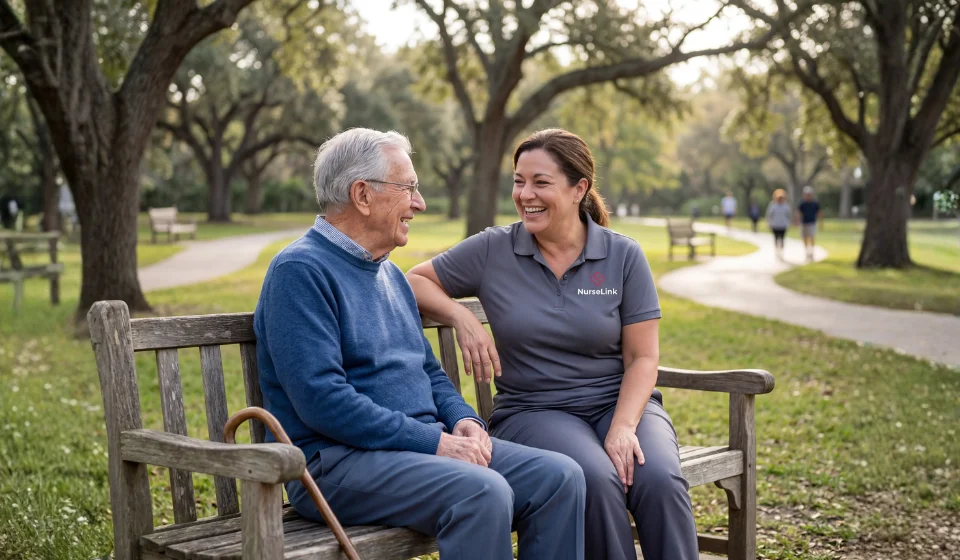
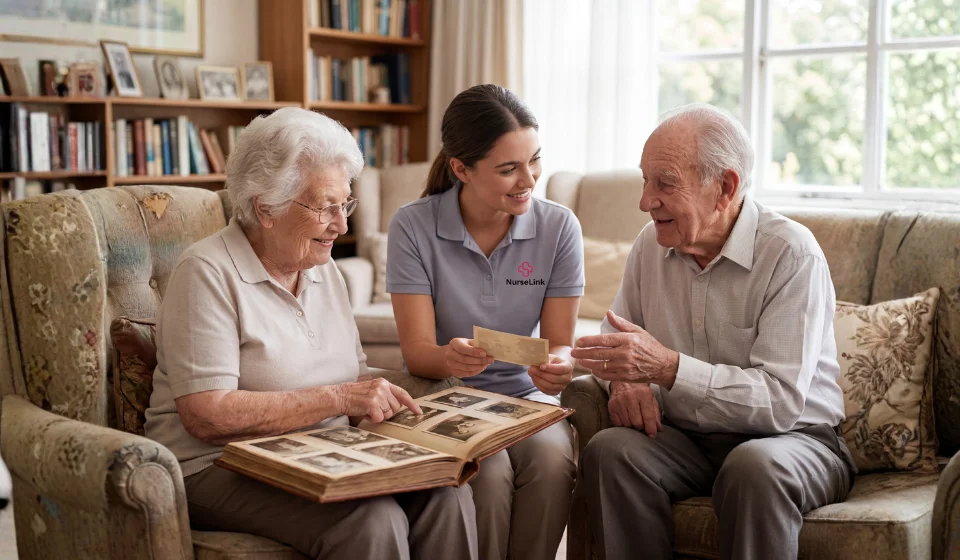
Social activities are equally valuable. Group discussions, board games, community classes and shared hobbies encourage communication and active participation. Reminiscence activities, such as looking through family photographs or sharing childhood memories, can encourage conversation and help older adults maintain meaningful connections with others.
The most useful cognitive activities are not necessarily complicated. Familiar hobbies can be just as engaging as new challenges, particularly when they provide enjoyment and opportunities for social interaction.
How To Incorporate Brain Games & Cognitive Activities Into Daily Life
Older adults can incorporate brain games and cognitive activities into daily life by choosing enjoyable tasks, setting realistic goals and creating a consistent routine. Mental exercises do not need to take up several hours each day. Short, regular sessions can make cognitive activities easier to maintain.
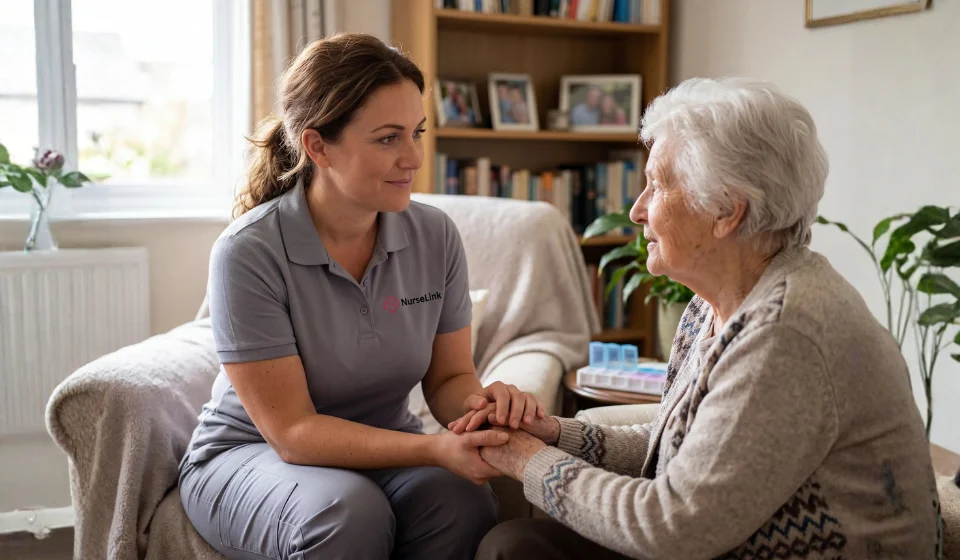
Families and carers can help seniors identify activities that suit their interests, energy levels and abilities. A flexible approach is important because cognitive skills, physical health and personal preferences differ from one person to another.
Here are five practical ways to introduce mental activities into everyday routines:
Establish A Consistent Daily Routine: Set aside time for activities such as reading, puzzles or memory games. A short session in the morning or afternoon can help make mental stimulation a regular habit without overwhelming the person.
Choose Activities Based On Individual Interests: Encourage seniors to participate in activities they already enjoy. Someone who likes reading may prefer word puzzles, while a person interested in music may enjoy singing or learning an instrument.
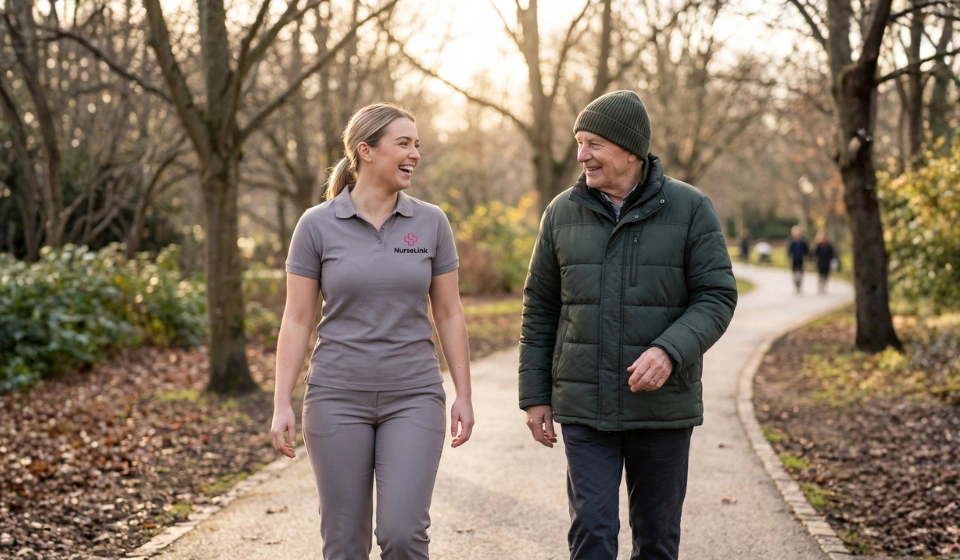
Combine Physical Exercise With Cognitive Activities: Walking, dancing and gentle exercise can be combined with simple mental tasks, such as naming familiar objects or recalling a favourite song. Physical activity also supports general health and mobility.
Encourage Social Interaction Through Group Games: Playing cards, completing puzzles together or participating in community activities can make mental exercises more enjoyable. Group activities also provide opportunities to build relationships and reduce social isolation.
Use Digital Brain-Training Games & Adapt Activities: Tablets and smartphones offer access to puzzles, memory games and quizzes. Choose simple, accessible applications with suitable text sizes and difficulty levels. Activities can also be adapted with larger puzzle pieces, visual prompts or additional time for seniors who need support.
Carers should pay attention to how older adults respond to different activities. If a game becomes tiring or frustrating, changing the difficulty or trying another activity can help maintain a positive experience. The goal is to encourage participation rather than focus on performance.
Conclusion
Brain-stimulating games and cognitive activities can play a valuable role in supporting memory, concentration, problem-solving and mental wellbeing among older adults. From puzzles and reading to music, creative hobbies and social games, there are many ways to keep the mind active. By making these activities enjoyable, accessible and part of everyday routines, seniors, families and carers can encourage continued learning, meaningful engagement and healthy ageing.
Frequently Asked Questions
What Are The Best Brain Games For Seniors?
Crossword puzzles, Sudoku, jigsaw puzzles, memory card games, chess and trivia quizzes are popular brain games for seniors. Each activity engages different cognitive skills, including memory, concentration, reasoning and problem-solving. The most suitable game depends on the person’s interests, abilities and preferences. Starting with familiar, enjoyable games can help older adults participate regularly.
What Are Good Memory Games For Seniors?
Matching card games, word recall exercises, picture-matching activities and simple trivia quizzes are useful memory games for seniors. These activities encourage older adults to remember information, recognise familiar objects and practise recall. Family members and carers can make these games more engaging by adjusting the difficulty and playing together.
What Exercise Helps The Brain?
Activities that combine physical movement and mental engagement can support overall brain health. Walking, dancing, swimming and gentle aerobic exercises help maintain physical fitness, while puzzles, reading and learning new skills provide mental stimulation. Older adults should choose physical activities appropriate for their health and mobility, seeking professional advice when needed.