Winter brings colder temperatures and more time spent indoors, which means heaters, electric blankets, fireplaces and other heating appliances are used more frequently. While these devices can make a home more comfortable, they can also introduce additional fire risks if they are damaged, incorrectly positioned or left unattended. Fire and Rescue NSW identifies winter as a higher-risk period for residential fires because of increased use of heating equipment and electrical appliances.
For older adults, staying safe can involve more than simply switching off a heater. Seniors living alone or those who have mobility, hearing, vision or cognitive difficulties may have additional challenges recognising a fire quickly or leaving the home safely. The good news is that many household fire risks can be reduced through sensible preparation and everyday safety habits.
This guide covers practical winter home safety tips, including common fire risks, safer heating practices, smoke alarm checks, fire prevention, emergency planning and what seniors should do if a fire starts.
Understanding The Common Winter Fire Risks For Seniors
As temperatures fall, households naturally rely more heavily on heating appliances. Portable heaters, electric blankets, fireplaces and other devices can all become potential sources of fire when they are faulty, incorrectly used or positioned too close to materials that can burn. Electrical faults, overloaded power points and unattended cooking can also contribute to household fires.
The space around a heating appliance is particularly important. Curtains, bedding, clothing, furniture and other flammable items should be kept well away from heaters and fireplaces. Fire and Rescue NSW recommends keeping combustible materials at least one metre from heating equipment. Power boards and extension leads also need care, as high-powered appliances such as heaters should not be connected in ways that could cause electrical equipment to overheat.
Cooking is another important consideration. Leaving food unattended, particularly when using a stovetop, can allow a small incident to become a serious kitchen fire within minutes. Candles, open fireplaces and other sources of flame can create similar risks when left unattended.
Why Seniors May Face Greater Fire Risks
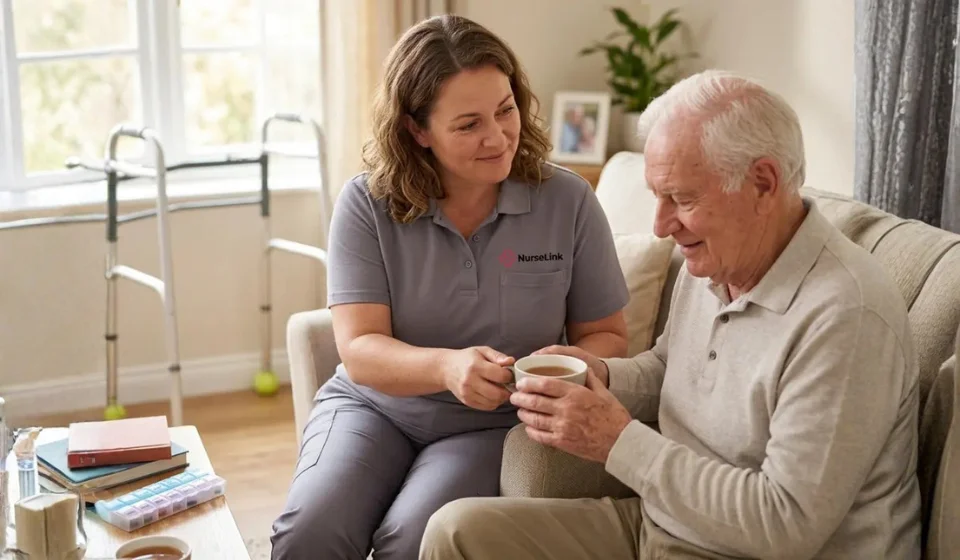
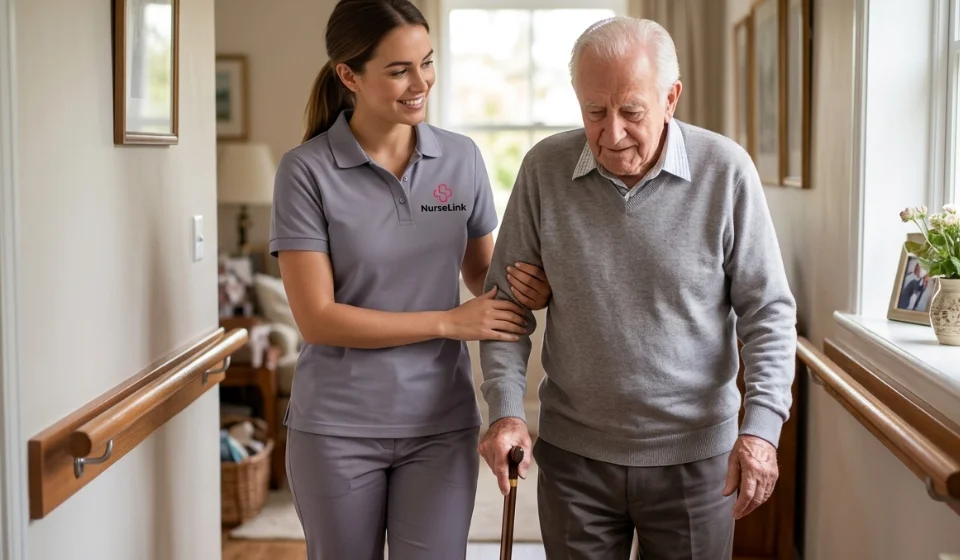
A fire can develop quickly, so the ability to recognise an alarm and leave the property without delay is important. Limited mobility may make stairs, narrow doorways or longer escape routes more difficult to navigate. Someone using a walking frame, wheelchair or other mobility aid may also need additional time or assistance during an evacuation.
Hearing and vision difficulties can affect how quickly a person notices an alarm, smoke or flames. For this reason, fire prevention and emergency planning should reflect the individual’s circumstances rather than relying on a standard approach. Families, carers and support workers can help identify practical adjustments that make the home safer and evacuation easier.
Essential Home Heating Safety Tips For Older Adults
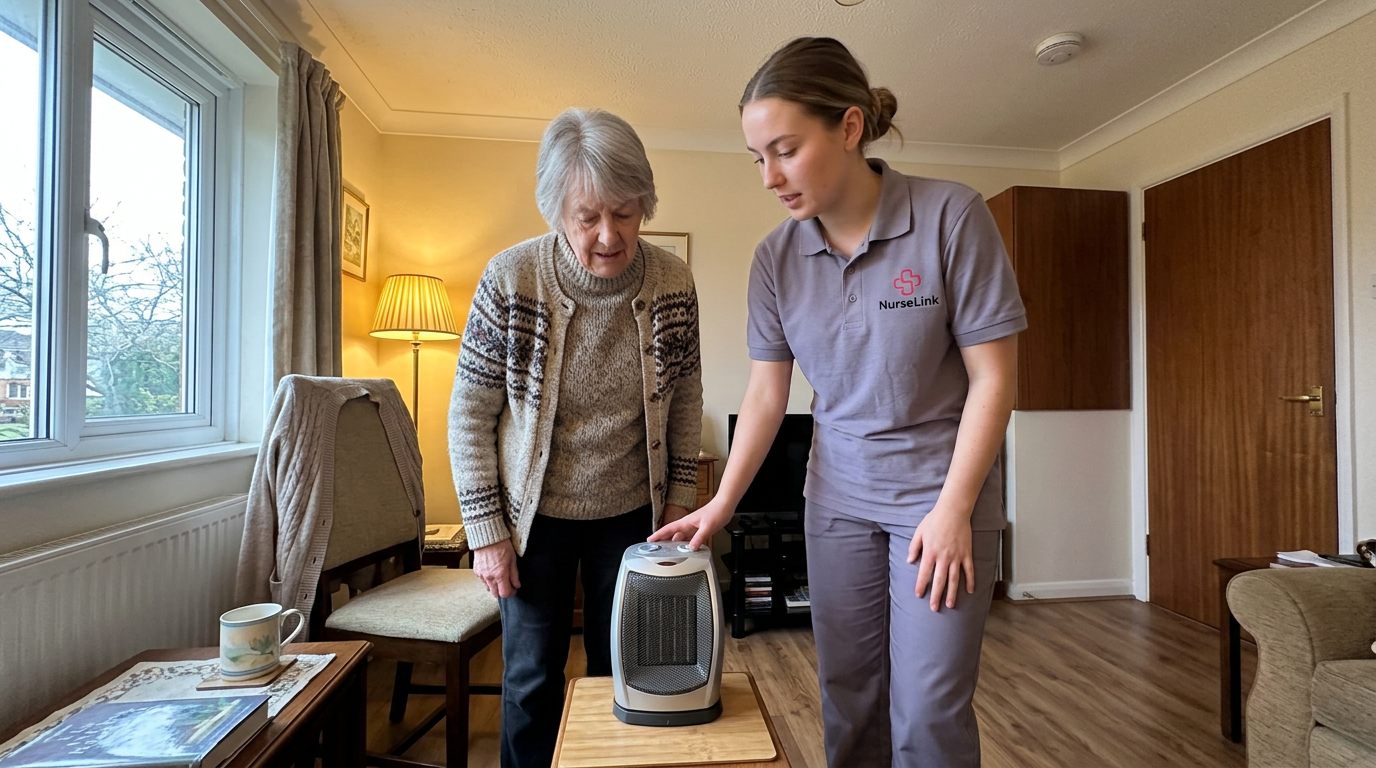
Portable heaters should be placed on a stable, level surface where they are unlikely to be knocked over. Keep curtains, bedding, clothing, furniture and other flammable materials at least one metre away from the heater. Heaters should also be positioned where cords do not create a trip hazard.
Before using a heater, inspect its cord, plug and other visible components for damage. If an appliance appears faulty, it should not be used until it has been appropriately assessed or replaced. Fixed heating systems, fireplaces, flues and chimneys should also be maintained as recommended by the manufacturer or a qualified professional.
Avoid leaving heating equipment unattended and follow the manufacturer’s instructions regarding overnight use. As a general safety measure, heating appliances should be switched off when leaving the home or going to bed unless the product is specifically designed and approved for safe continuous operation.
Using Electric Blankets & Heated Appliances Safely
Electric blankets can be useful during colder weather, but they should be checked carefully before being used each winter. Look for frayed cords, exposed wires, scorch marks, damaged controllers or other visible signs of deterioration. If an electric blanket appears damaged, it is safer to replace it rather than continue using it.
Always follow the manufacturer’s instructions for use, cleaning and storage. Fire services also recommend taking care when storing electric blankets, including rolling rather than tightly folding them where appropriate. Heated appliances should not be left switched on when they are not designed for continuous use, particularly while sleeping or when nobody is present.
Fire Safety Tips For Seniors At Home
Working smoke alarms are one of the most important layers of protection in a home. Smoke alarms should be installed in appropriate areas, tested regularly and maintained according to the manufacturer’s instructions. Fire and Rescue NSW recommends testing alarms monthly and replacing the entire alarm every 10 years. Seniors with hearing difficulties may also benefit from considering suitable alarm solutions designed to provide accessible warnings.
Clear escape routes are equally important. Hallways, doorways and exits should remain free from clutter, and keys needed to unlock doors should be easy to access. Everyday habits also matter. Avoid leaving cooking unattended, keep candles and other open flames away from flammable materials, and regularly inspect electrical appliances, cords and power points for signs of damage or overloading. These fire safety tips for winter can make a meaningful difference when incorporated into normal household routines.
How To Prevent Winter House Fires
Preventing a house fire is largely about identifying hazards before they become emergencies. Seniors, families and carers can make regular checks of heaters, electric blankets, smoke alarms, electrical appliances and fireplaces, particularly before winter use increases. Clothes, bedding and other materials should be kept away from heaters, while fireplaces should be maintained and used according to safety guidance.
Electrical safety should also be part of regular household checks. Avoid overloading power points or using power boards inappropriately, particularly with high-powered heating equipment. Appliances should be used according to their instructions and replaced if they show signs of damage.
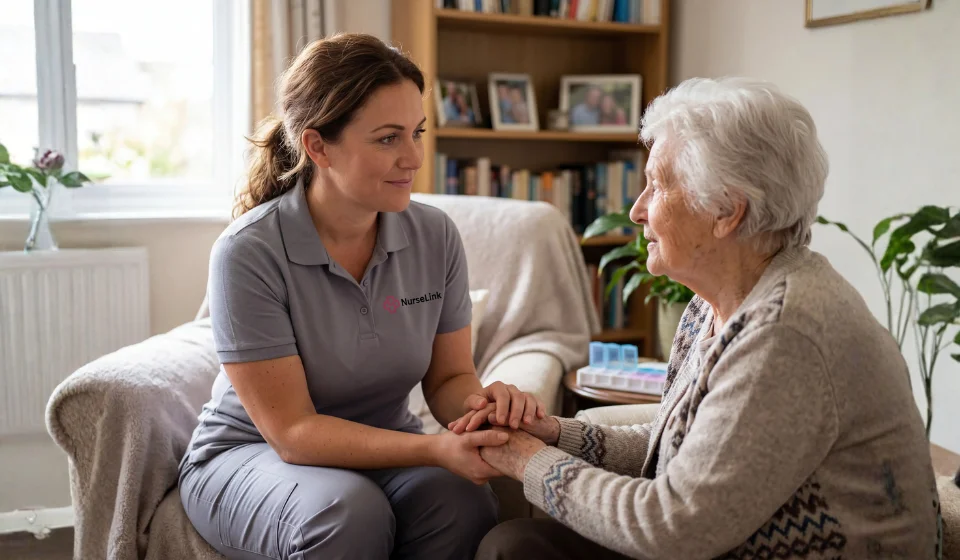
Not every safety task needs to be completed alone. If an older person finds it difficult to inspect equipment, change smoke alarm batteries or identify potential hazards, family members, carers or support workers may be able to provide assistance. This can be especially valuable for seniors who want to remain independent while managing changing needs at home.
Creating A Fire Emergency & Evacuation Plan
A clear emergency plan gives seniors a practical response to follow rather than having to work out what to do during a stressful situation. Start by identifying the safest and easiest ways out of each area of the home. Ideally, there should be more than one possible escape route where the home’s layout allows it. Exits should remain clear and accessible at all times.
The plan should also consider individual mobility needs. If a senior uses a walking aid, wheelchair or other equipment, the evacuation route should allow enough space to use it safely. Keep emergency contact details accessible and choose a meeting point outside the property where everyone can gather. Family members, carers and support workers should understand the plan when their assistance may be needed.
Practising The Evacuation Plan
An evacuation plan is most useful when everyone knows how to follow it. Practising the route can help seniors become familiar with where to go and identify obstacles that may not be obvious during normal daily routines.
For example, stairs, narrow doorways, locked gates or changes in mobility may affect whether an escape route is practical. Review the plan whenever the home’s layout, living arrangements or support requirements change. Regular practice can also help reduce uncertainty and encourage a calmer response during an actual emergency. Fire services recommend having an escape plan and practising it regularly.
What Should Seniors Do If A Fire Starts?
If a fire starts, getting out safely should always take priority over protecting belongings. Raise the alarm and alert other people in the home as soon as possible. Follow the planned escape route, leave the property and move to the designated meeting point. If possible and safe to do so, close doors behind you as you leave, as this can help limit the spread of fire and smoke.
Once outside, call Triple Zero (000) and ask for the fire service. Give the operator the property address and explain what has happened. Do not return inside for pets, medication, valuables or other belongings. Seniors should also avoid trying to fight a fire if doing so could put them at risk. Fire services advise people to get out, stay out and wait for firefighters to arrive.
Key Takeaway
Winter heating, electrical equipment and everyday activities such as cooking can create additional fire risks for seniors, but many hazards can be reduced through simple precautions. Safe heating practices, working smoke alarms, clear escape routes and regular home safety checks are important parts of fire prevention. A straightforward evacuation plan that is regularly practised can also help seniors, families and carers respond more confidently if an emergency occurs. With the right preparation and appropriate support, older adults can take practical steps towards maintaining a safer and more comfortable home throughout winter.