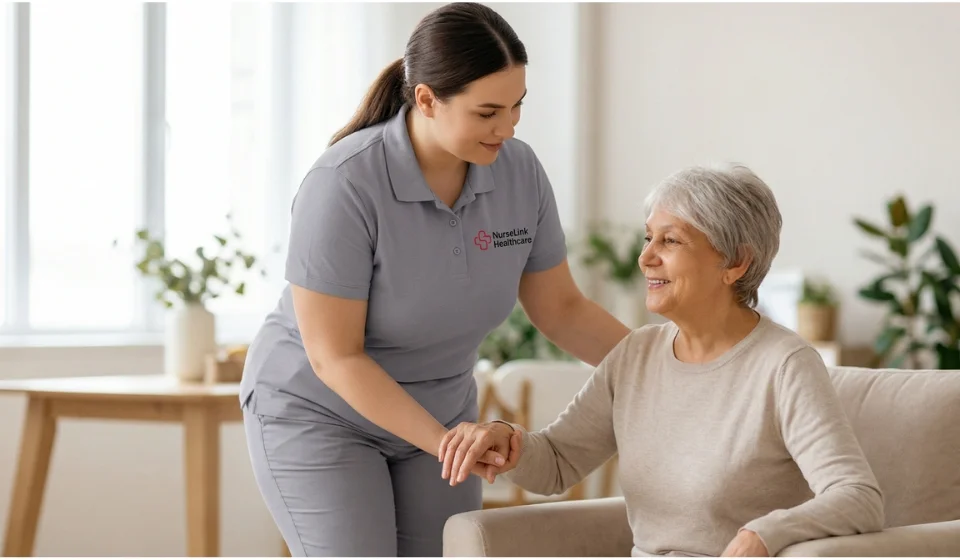
Protecting skin from excessive ultraviolet (UV) exposure is one of the most practical ways to reduce skin cancer risk. Sun safety matters throughout the year, not only in summer, because UV radiation can cause cumulative skin damage. Children and older adults can benefit from consistent habits such as sunscreen, protective clothing and seeking shade.
Understanding Skin Cancer & The Risks Of Sun Exposure
Skin cancer occurs when abnormal skin cells grow and multiply uncontrollably, often following damage to the DNA within those cells. UV radiation from sunlight is a major environmental risk factor. Understanding what is skin cancer and how it develops can help people make informed decisions about prevention.
The main types include melanoma, basal cell carcinoma and squamous cell carcinoma. Melanoma is less common than many non-melanoma skin cancers but can spread to other parts of the body and become life-threatening. Risk can increase with repeated UV exposure, although sun exposure is not the only factor involved.
- Repeated UV Exposure: Long-term exposure without adequate protection can cause cumulative skin damage.
- Previous Sunburn: Significant sunburn, particularly during childhood, can increase future skin cancer risk.
- Fair Skin: People whose skin burns easily generally have less natural protection from UV radiation.
- Family History: Certain types of skin cancer can have a genetic or familial component.
- Age & Cumulative Exposure: Years of outdoor exposure can contribute to accumulated skin damage as people grow older.
Knowing what are causes of skin cancer helps explain why prevention matters. Not every case can be prevented because genetics and other factors also influence risk, but reducing unnecessary UV exposure is an important step.
What Are The Early Warning Signs Of Skin Cancer?
The early warning signs of skin cancer can include a new or changing mole, unusual growth, or a sore that does not heal. Knowing how your skin normally looks makes it easier to notice changes that may need professional assessment.
Pay attention to moles, freckles and other marks that change over time. Changes in size, shape, colour or borders may be significant. New spots or lesions that look noticeably different from surrounding marks should also be monitored.
The ABCDE approach can help identify potentially concerning melanoma changes:
- A: Asymmetry: One half of the mark looks different from the other.
- B: Border: The edges appear irregular or poorly defined.
- C: Colour: The mark contains unusual or varying colours.
- D: Diameter: The spot is larger than approximately 6 millimetres, although melanomas can be smaller.
- E: Evolving: The mark changes in size, shape, colour or appearance.
Other signs can include persistent itching, bleeding, crusting, tenderness or a sore that repeatedly fails to heal. These symptoms do not necessarily mean cancer, but they should be assessed if they persist or change.
Regular skin awareness can support early detection of skin cancer. If you notice an unusual or changing area, speak with a GP rather than relying on self-diagnosis.
Essential Sun Protection Tips For Everyday Life
Effective sun protection combines sunscreen with shade, protective clothing and sensible management of time spent in direct sunlight. These safety tips for sun exposure should become part of everyday routines because UV exposure can occur during walking, gardening, driving and outdoor work.
- Apply Broad-Spectrum Sunscreen: Use sunscreen that protects against UVA and UVB radiation and follow the product instructions for application and reapplication.
- Wear Protective Clothing: Long sleeves, longer clothing and suitable fabrics can reduce exposed skin.
- Choose A Broad-Brimmed Hat: A suitable hat helps protect the face, ears, neck and scalp.
- Wear UV-Protective Sunglasses: Sunglasses can protect the eyes and surrounding skin.
- Seek Shade: Trees, verandas and umbrellas can reduce direct exposure.
- Plan Outdoor Activities: Where possible, reduce prolonged exposure when UV levels are high.
- Protect Yourself During Routine Activities: Gardening, walking, sports and outdoor work can involve substantial UV exposure.
Why is sun protection important even when the weather feels cool? Temperature does not indicate UV strength. UV radiation can still be significant on cooler or partly cloudy days, so protection should not be limited to hot weather.
How To Protect Older Adults & Children From Sun Damage
Sun protection is important at every age because UV damage accumulates over a person’s lifetime. Older adults may have experienced decades of sun exposure, while children are developing habits that can influence their skin health throughout life.
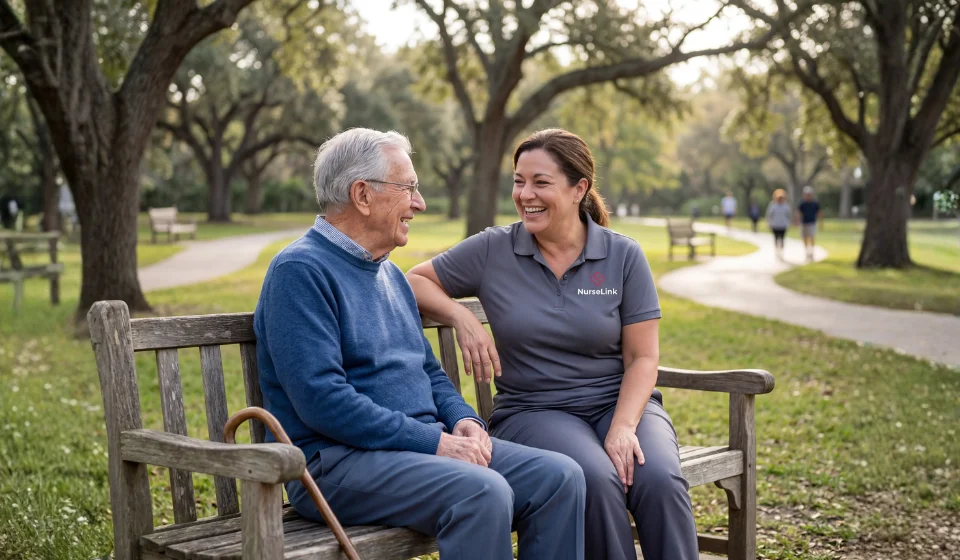
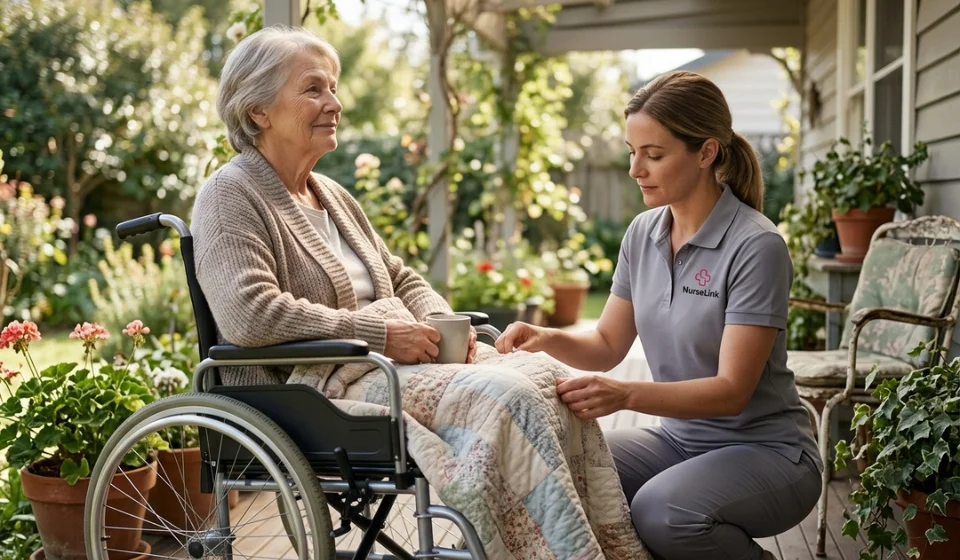
Older adults can maintain sun-safe routines by keeping sunscreen, hats and protective clothing easily accessible. Family members and carers can help incorporate these habits into daily activities, particularly when someone spends time gardening, walking or participating in community activities.
Children can develop healthy habits when parents and carers make sun protection part of normal outdoor routines. Encourage suitable hats, protective clothing, sunscreen and regular time in shaded areas. Preventing sunburn is particularly important because intense UV exposure during childhood can contribute to future skin cancer risk.
Simple strategies include:
- Keeping sunscreen near everyday personal-care products.
- Storing hats close to the door.
- Having protective clothing available for outdoor activities.
- Creating shaded areas in frequently used outdoor spaces.
- Checking UV conditions before extended outdoor activities.
Signs That A Skin Change Needs Medical Attention
A skin change should be checked by a GP when it is new, unusual, persistent or changing over time. Rapidly changing moles, new growths, unexplained bleeding, crusting and sores that do not heal are examples of changes that deserve professional assessment.
A mark that becomes noticeably darker, develops an irregular border, changes size or repeatedly bleeds should not be ignored. Persistent itching, tenderness or other unexplained changes can also justify a medical appointment.
It is important not to diagnose skin cancer based solely on online information or photographs. Many harmless conditions can resemble concerning lesions, while some cancers may have subtle appearances. A healthcare professional can examine the affected area and determine whether further investigation is needed.
Early assessment can improve the opportunity for early detection and appropriate treatment. If a skin change continues, worsens or concerns you, arrange an appointment with your GP.
Key Takeaway
Safe catheter care depends on consistent hygiene, proper handwashing, correct catheter and drainage bag positioning, regular monitoring and appropriate professional guidance. Understanding the steps of catheter care can help individuals and carers recognise normal catheter function and identify concerns early. If you are wondering how long a catheter should stay in, this depends on the reason for catheterisation and should be determined by a healthcare professional. Following an individual care plan, avoiding unnecessary catheter manipulation and seeking medical advice when problems arise can support comfort, safety and effective health management.
Frequently Asked Questions
How To Prevent Skin Cancer?
Reduce unnecessary UV exposure by using broad-spectrum sunscreen, wearing protective clothing and a wide-brimmed hat, seeking shade and avoiding prolonged exposure when UV levels are high. Preventing sunburn is also important. Regularly checking your skin and having suspicious or persistent changes assessed by a healthcare professional can support early detection.
How To Avoid Skin Cancer?
There is no guaranteed way to completely avoid skin cancer because genetics and other factors can influence risk. However, you can reduce preventable risk by protecting your skin from UV radiation, avoiding sunburn, using sunscreen, wearing protective clothing and seeking shade. Regular skin checks can also help identify concerning changes earlier.
Can You Get Skin Cancer Without Sun?
Yes. Although UV radiation is a major risk factor for many skin cancers, people can develop skin cancer without substantial sun exposure. Genetic factors, immune system changes and other influences can contribute to risk. Therefore, everyone should pay attention to unusual or changing skin lesions rather than assuming they are safe because they spend little time outdoors.
What Is Skin Cancer?
Skin cancer is the uncontrolled growth of abnormal cells in the skin. The major types include melanoma, basal cell carcinoma and squamous cell carcinoma. Some are strongly associated with UV exposure, while other risk factors can contribute. Suspicious or changing skin lesions should be professionally assessed because early diagnosis can support timely treatment.
What Type Of Skin Cancer Is Most Deadly?
Melanoma is generally considered the most dangerous major type of skin cancer because it can spread to other parts of the body. However, outcomes depend on factors such as the type and stage of cancer. Recognising changing skin lesions and seeking medical assessment promptly can help support earlier diagnosis and treatment.
Can People Die From Skin Cancer?
Yes, some skin cancers can be life-threatening, particularly melanoma when it spreads. However, many skin cancers can be treated successfully, especially when detected early. This makes prevention, awareness of the signs of sun damage and prompt medical assessment of suspicious changes important parts of maintaining skin health.