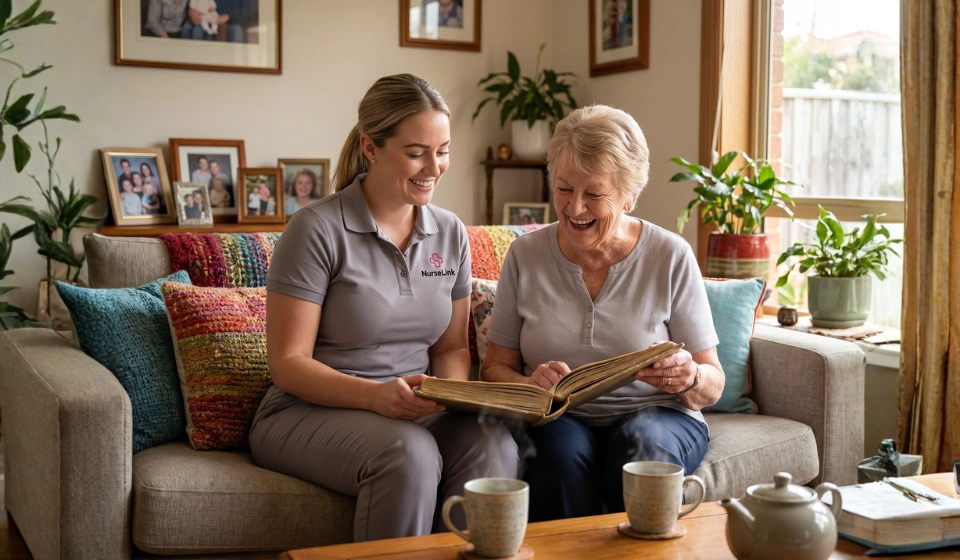
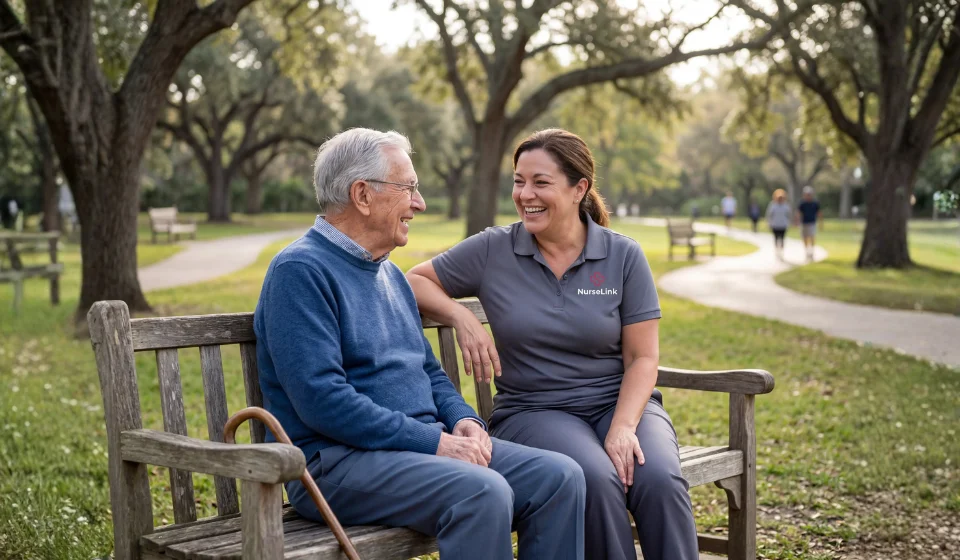
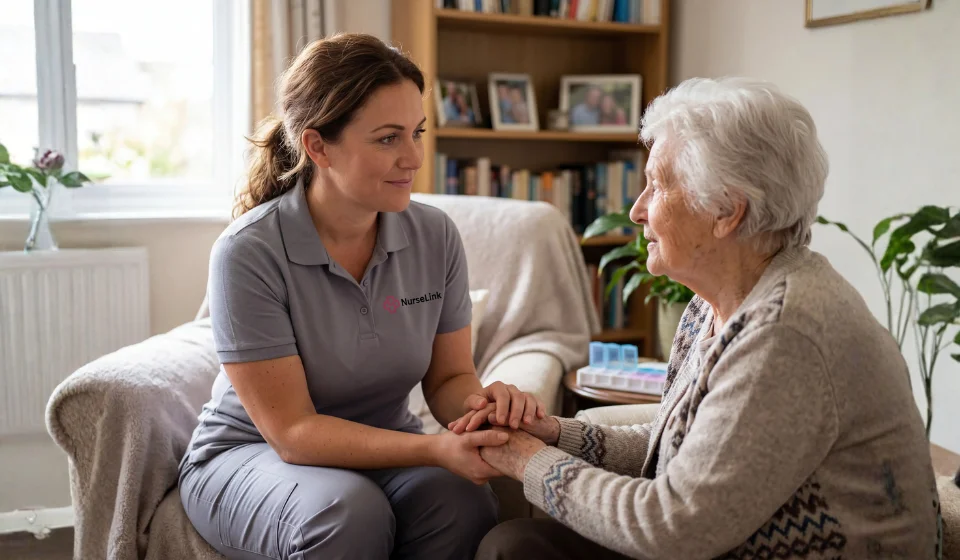
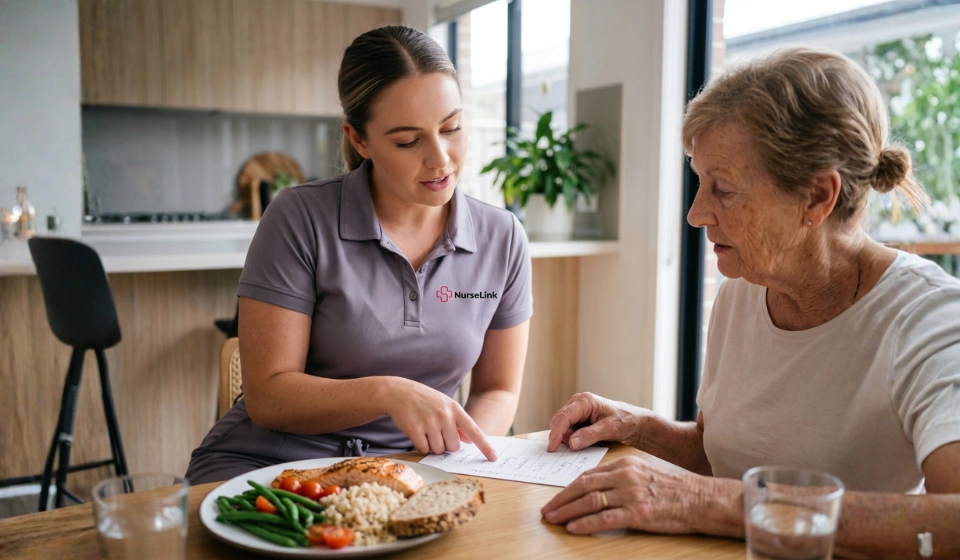
When we talk about caring for older adults, the conversation usually turns to the physical side of things first. Medications, mobility, nutrition and medical appointments tend to dominate, and understandably so. Yet emotional wellbeing deserves just as much attention, because it shapes how a person experiences every other part of their life. Ageing brings significant emotional and social changes, from retirement and shifting family roles to the loss of loved ones and adjustments in independence. Emotional support is just as important as physical care in maintaining quality of life, and recognising this early makes a genuine difference. In this article, we look at why emotional support matters for seniors, the common challenges older adults face, how emotional neglect affects health, and the practical ways families, carers and professional services can help.
Why Emotional Support Matters For Seniors
The meaning of emotional support is often reduced to simply keeping someone company, but for older adults it runs much deeper than that. It is about feeling heard, valued and understood. It involves empathy, encouragement, reassurance during periods of change, and the comfort of knowing that someone genuinely cares. For a senior adjusting to a new stage of life, that sense of being emotionally anchored can be just as stabilising as any medical treatment.
Emotional wellbeing also contributes directly to overall health and independence. Seniors who feel connected and supported are more likely to stay physically active, eat regular meals, follow their health plans and remain engaged with the world around them. Strong emotional support reduces loneliness, builds confidence and lifts day to day quality of life in ways that are easy to observe once you know what to look for. Maintaining meaningful relationships and a sense of purpose, whether through family, friendships, volunteering or hobbies, gives older adults a reason to look forward to each day, and that motivation flows into every other area of their health.
Common Emotional Challenges Faced By Older Adults
Understanding the importance of emotional support starts with recognising the challenges that tend to surface in later life. Two patterns appear more often than any others.
Loneliness & Social Isolation
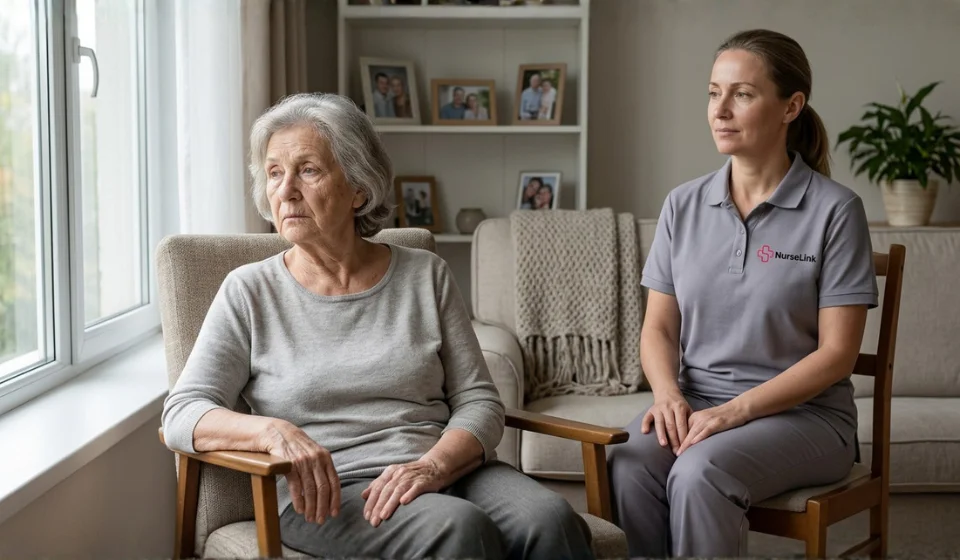
Retirement removes much of the daily social contact that work once provided, and over time the loss of a partner, siblings or close friends can shrink a person’s social circle even further. Limited mobility or difficulty with transport then makes it harder to participate in community life, so isolation often builds quietly rather than arriving all at once. Many seniors do not mention it, either because they do not want to burden family or because they see it as something they simply have to accept.
Anxiety, Depression, & Life Changes
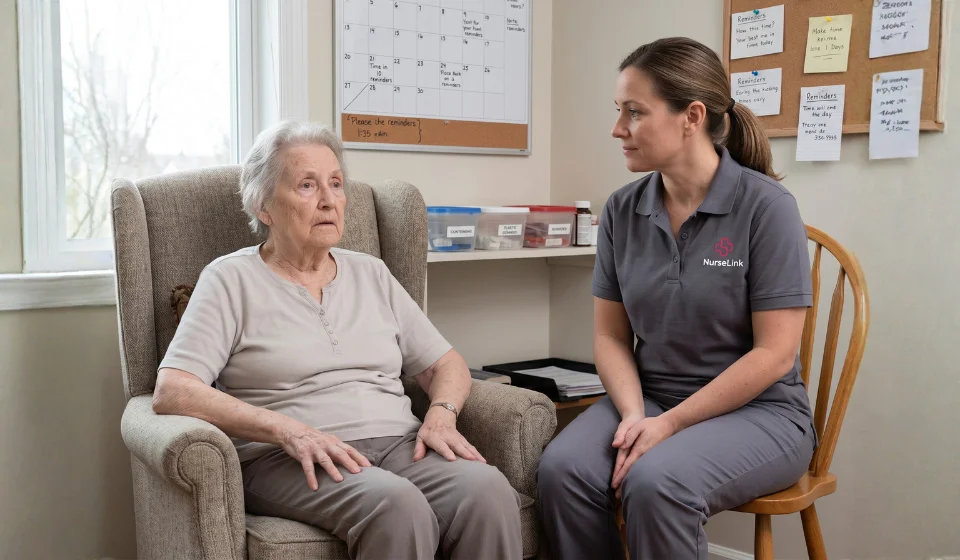
Coping with declining health or chronic conditions can create ongoing worry, and adjusting to changes in independence and daily routines is genuinely difficult for people who have managed their own lives for decades. Grief, uncertainty about the future and general emotional stress can accumulate, and these feelings are too often dismissed as a normal part of ageing when they actually deserve real attention and care.
The Impact Of Emotional Neglect On Physical & Mental Health
Emotional and physical health are far more closely linked than many people realise. When emotional needs go unmet for long periods, the body responds. Prolonged loneliness and stress are associated with elevated stress hormones, poor sleep, higher blood pressure and a weakened immune response. Research has repeatedly connected chronic social isolation with increased risks of heart disease, cognitive decline and depression in older adults, which is a sobering reminder that emotional neglect is never just an emotional problem.
The behavioural effects are equally significant. A senior who feels forgotten or unheard may lose motivation to prepare proper meals, skip medical appointments, withdraw from activities they once enjoyed or stop reaching out to others altogether. Each of these small withdrawals compounds the next, and over time this pattern can erode both independence and quality of life. This is exactly why the benefits of emotional support are so far reaching. Consistent, genuine emotional connection can interrupt that downward cycle, restore motivation and help older adults re-engage with their own health and their community.
How Family, Carers, & Support Workers Can Provide Emotional Support
The encouraging news is that emotional support rarely requires grand gestures. There are many types of emotional support, from companionship and active listening through to practical encouragement, and most of them begin with small, consistent actions.
Building Meaningful Connections
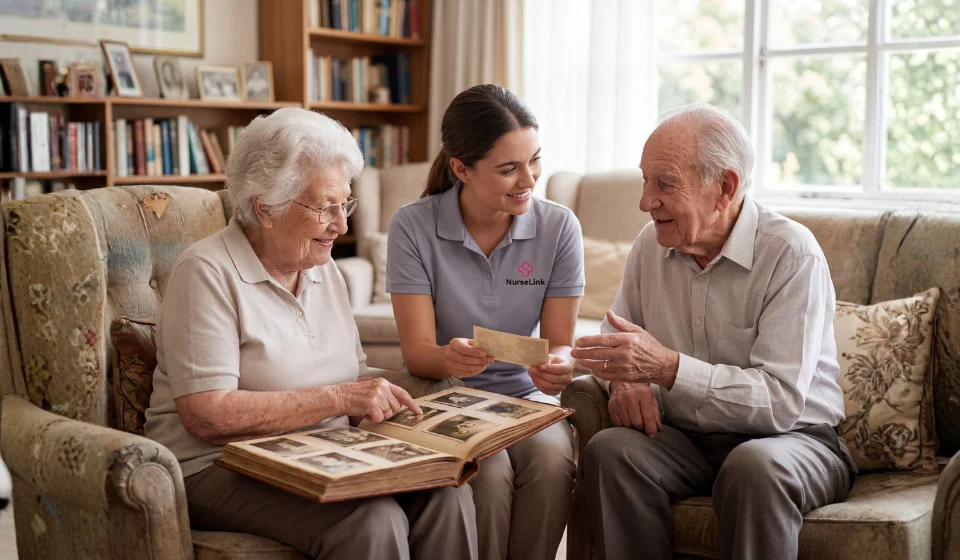
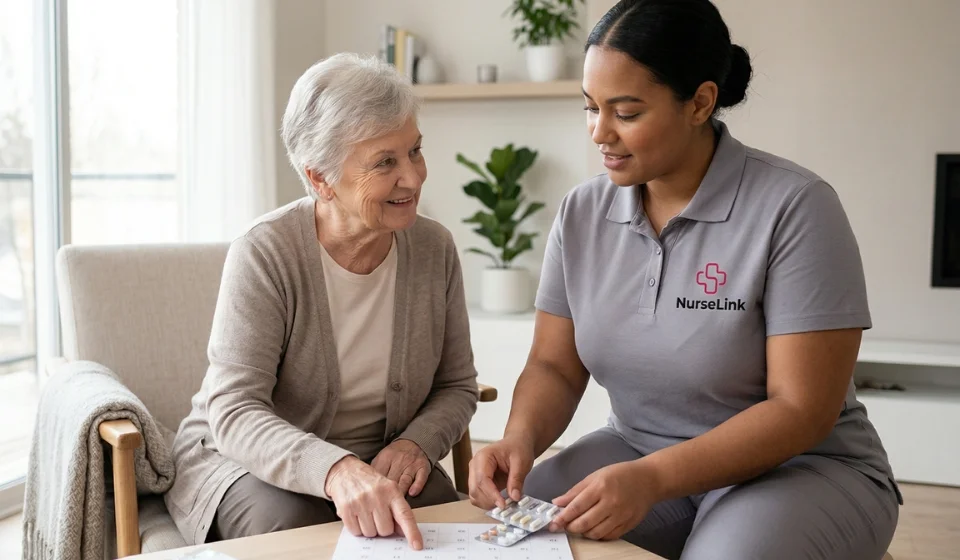
Spending regular quality time together matters more than the length of any single visit, because consistency is what builds trust and something to look forward to. Encourage genuine conversations and practise active listening, which means giving full attention rather than rushing to fix or advise. Supporting hobbies, interests and social activities, whether that is gardening, a book club, a weekly phone call with an old friend or a community group, helps seniors maintain identity and connection beyond their immediate household.
Promoting Independence & Confidence
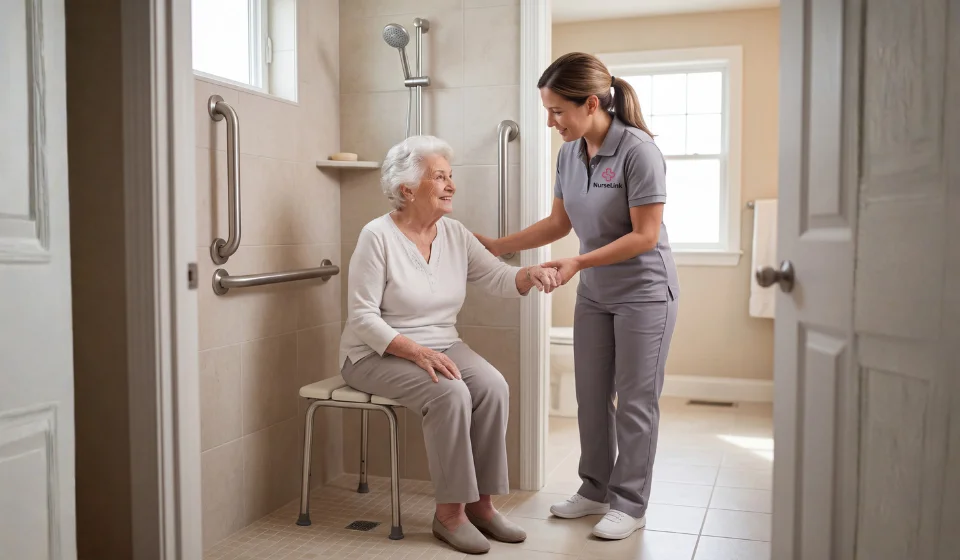
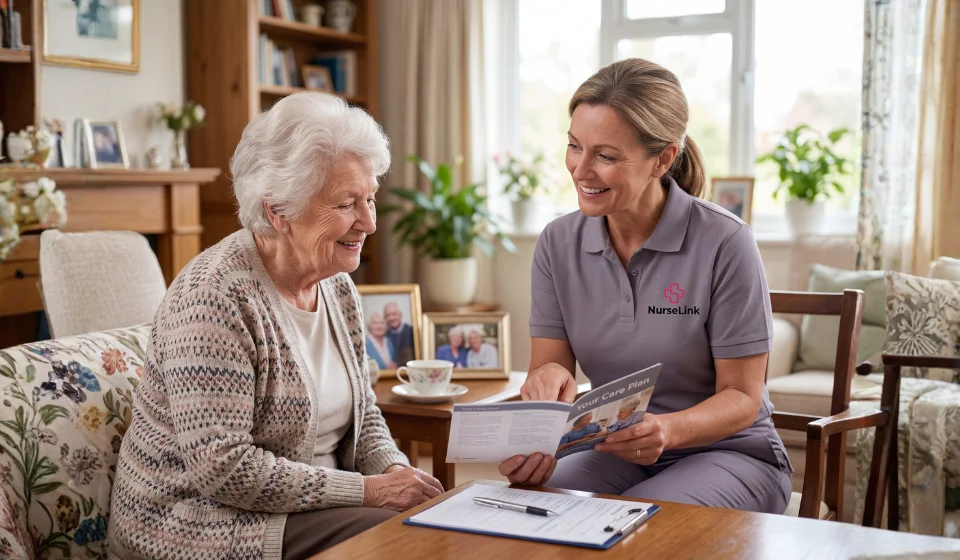
Involving seniors in decisions about their own care sends a powerful message that their voice still matters, and it is one of the most respectful forms of support there is. Encourage participation in daily activities wherever possible, even if tasks take longer or need to be adapted, because doing things with someone builds confidence in a way that doing things for them never can. Respecting personal preferences and long held routines, from how someone likes their tea to when they prefer to shower, preserves dignity and reinforces a sense of control.
The Role Of Professional Care Services In Emotional Wellbeing
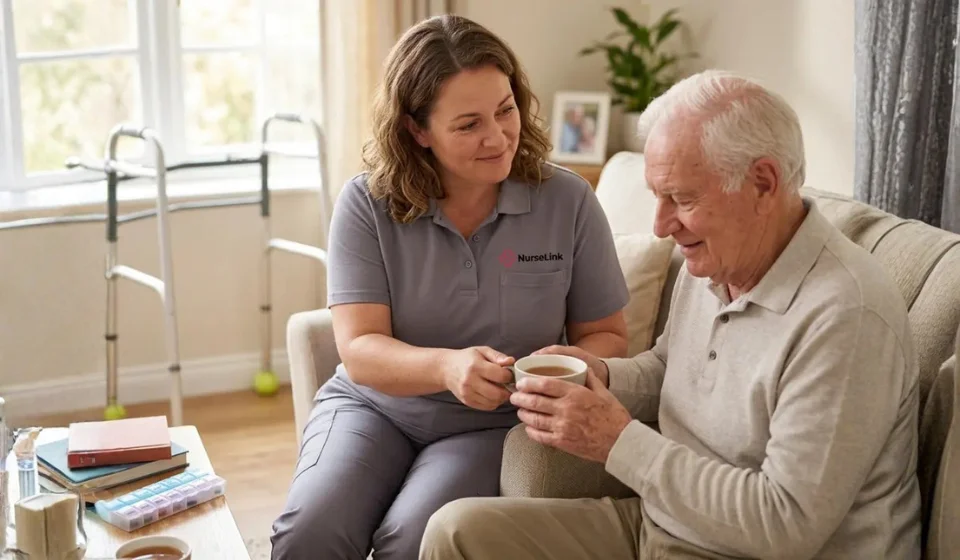
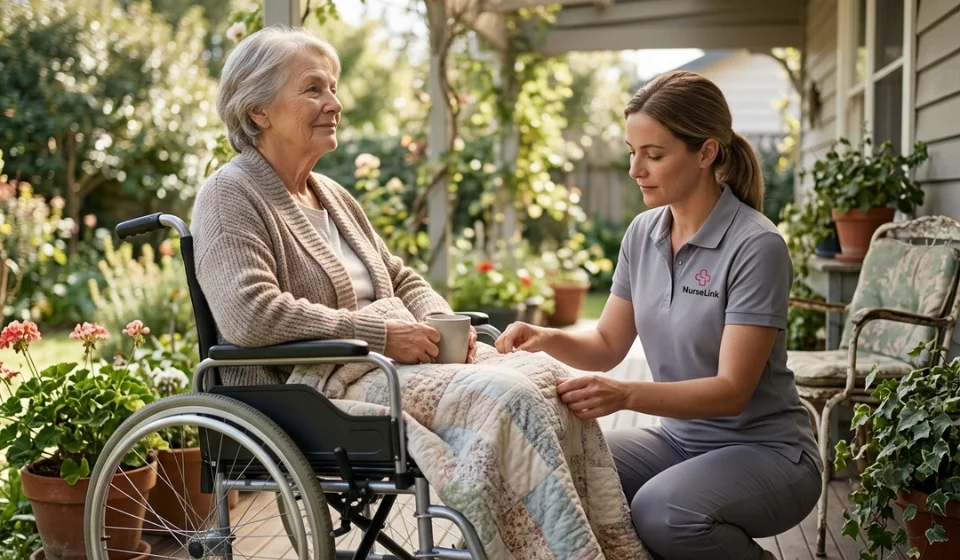
Professional home care services play a valuable role in supporting emotional wellbeing alongside physical care, and the best providers treat the two as inseparable. A good support worker is not just there to assist with tasks. They offer companionship, conversation and social engagement, and they encourage clients to stay connected with the people and activities that matter to them. Personalised support means care that reflects the individual, including their history, preferences and personality, rather than a one size fits all routine.
Consistency is particularly important here. When seniors see the same familiar carers regularly, genuine relationships form, trust develops and emotional support becomes a natural part of every visit rather than an afterthought. This is the heart of person centred care. Providers such as NurseLink Healthcare build their services around this principle, with experienced teams delivering compassionate nursing, homecare and NDIS support across Australia, available around the clock. For families, professional services also provide reassurance and relief. Knowing that a loved one has reliable, caring support makes it easier to sustain your own emotional involvement without burning out, so the whole support network stays stronger for longer.
Key Takeaways
Emotional support is essential for healthy ageing, and it deserves the same priority as physical care in any conversation about supporting older adults. Recognising emotional challenges early, whether that is creeping loneliness, anxiety about health changes or withdrawal from favourite activities, allows families and carers to step in before wellbeing declines. Families, carers and professional care providers each have a meaningful role to play, and together they can help seniors stay connected, confident and engaged. If someone you love could benefit from more support, seeking compassionate, person centred care is one of the most valuable steps you can take towards helping them live a fulfilling and connected life.