Osteoporosis is a disease that makes bones weaker and more likely to fracture. It often develops without noticeable symptoms, meaning many people do not know they have it until a fracture occurs. Recognising possible warning signs, understanding risk factors and seeking assessment can support earlier detection and bone health.
Understanding The Early Warning Signs Of Osteoporosis
Osteoporosis can be difficult to identify because bone loss may not cause pain. Knowing the early warning signs is important because identifying reduced bone strength can prompt assessment and help reduce the risk of fractures. Changes such as unexplained back pain, loss of height or a fracture after a minor injury should not automatically be attributed to normal ageing.
Osteoporosis may affect anyone, although the risk increases with age and certain medical, lifestyle and hormonal factors. Understanding these risks can help people recognise when they may need professional advice.
What Is Osteoporosis & Why Does It Develop?
Osteoporosis is a disease that occurs when bones lose density and strength, making them more fragile and vulnerable to fractures. Bone is living tissue that is continuously broken down and rebuilt. Osteoporosis can develop when bone loss becomes greater than new bone formation.
Causes can include aging, hormonal changes, family history, low physical activity, inadequate calcium or vitamin D, smoking, alcohol, certain medical conditions and long-term corticosteroid use.
Osteoporosis involves a greater loss of bone strength and a higher risk of fractures than expected with normal ageing. Recognising risk factors can help people decide when professional assessment may be appropriate.
What Are The Early Warning Signs Of Osteoporosis?
Warning signs are often subtle, and some people have no symptoms until a fracture occurs. Possible signs include:
- Loss of height, particularly when it is noticeable compared with previous measurements.
- Persistent or unexplained back pain, which may sometimes be related to a spinal fracture.
- A stooped or hunched posture caused by changes in the vertebrae.
- A fracture following a minor fall or low-impact injury that would not normally cause a healthy bone to break.
- Reduced mobility or increasing difficulty carrying out everyday activities after fractures or changes in posture.
These symptoms can have many possible causes, so they do not confirm osteoporosis on their own. However, they may indicate that further assessment is needed.
Can you have osteoporosis without knowing it? Yes. Osteoporosis may remain unnoticed because bone loss itself does not usually cause symptoms. A fracture, particularly in the hip, spine or wrist, may be the first obvious indication.
Who Is At Greater Risk Of Developing Osteoporosis?
Risk factors include age, previous fractures, family history, low body weight, reduced physical activity, smoking and inadequate calcium or vitamin D. Menopause-related hormonal changes can also affect bone loss.
Certain health conditions and medicines may increase risk. These can include conditions affecting hormone levels, digestion or nutrient absorption, as well as prolonged use of corticosteroid medicines.
People with several risk factors may benefit from discussing their risk with a doctor. Risk does not mean that a person definitely has osteoporosis, but it can help determine whether further assessment is appropriate.
How Is Osteoporosis Diagnosed & Assessed?
Diagnosing osteoporosis usually involves a medical assessment and measurement of bone mineral density. A healthcare professional may review medical history, fractures, medicines, lifestyle factors and other conditions affecting bone health.
A DXA scan measures bone mineral density, commonly at the hip and spine. The results assess bone strength and fracture risk. A previous low-impact fracture may also be important when assessing osteoporosis.
Other tests may identify medical or nutritional factors contributing to bone loss. Because symptoms alone cannot reliably diagnose osteoporosis, professional assessment is important when risk factors or warning signs are present.
How Can You Support Stronger Bones & Reduce Fracture Risk?
Prevention of osteoporosis focuses on supporting bone strength throughout life and reducing factors that can contribute to bone loss. Practical steps include:
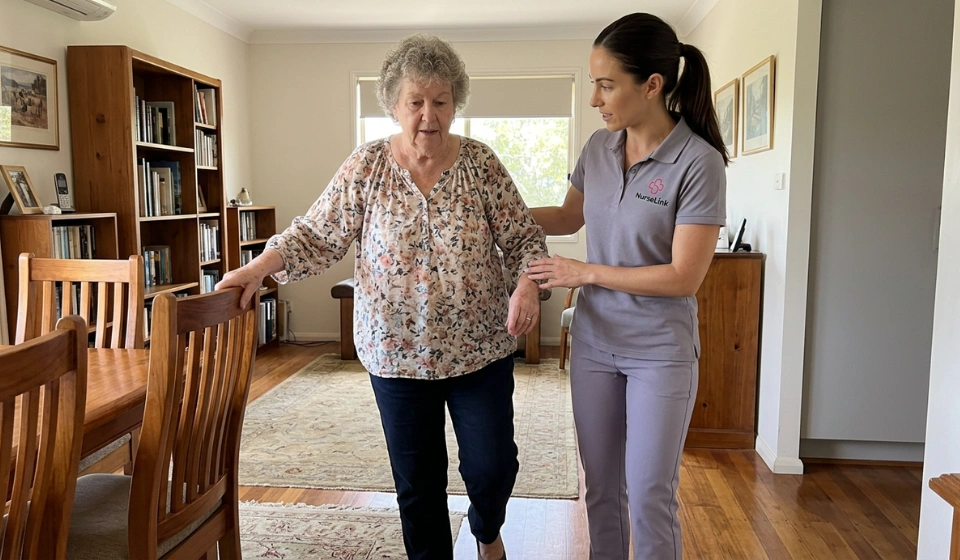
- Participate in regular weight-bearing and resistance exercises suited to your abilities.
- Maintain adequate calcium and vitamin D through diet and, when recommended, supplements.
- Avoid smoking and keep alcohol consumption within Australian health guidelines.
- Include balance and strength activities to reduce falls.
- Discuss medicines and health conditions that may affect bone health.
- Keep the home safe by reducing trip hazards and improving lighting.
These habits cannot guarantee that osteoporosis will be prevented, particularly when genetic, hormonal or medical factors are involved. However, they can support stronger bones and help reduce the risk of falls and fractures.
What is the treatment for osteoporosis? Treatment depends on a person’s bone density, fracture risk, age, medical history and other factors. It may include lifestyle measures, fall prevention and prescription medicines that slow bone loss or help strengthen bones. A healthcare professional can recommend treatment.
Key Takeaway
Osteoporosis is often called a silent disease because bone loss can occur without obvious symptoms. Early warning signs may include unexplained fractures, persistent back pain, height loss and changes in posture. Risk factors such as age, family history, smoking, low physical activity, inadequate nutrition and certain medicines can also increase risk.
If you are concerned about osteoporosis, discuss your risk and whether bone density assessment is appropriate with a healthcare professional. Exercise, good nutrition, healthy lifestyle habits and fall prevention can also support bone health.
Frequently Asked Questions
What Are the Symptoms of Osteoporosis Disease?
Osteoporosis symptoms may not be noticeable early. Possible signs include unexplained fractures, persistent back pain, loss of height and a stooped posture. A minor-fall fracture may be the first clear indication. People with significant risk factors may need assessment.
What Are the Causes of Osteoporosis Disease?
Causes include aging, hormonal changes, family history, low physical activity, inadequate calcium or vitamin D, smoking, alcohol, certain medical conditions and long-term corticosteroid use.
What Is Osteoporosis Disease?
Osteoporosis disease is a condition that weakens bones by reducing their density and strength, making them more likely to fracture. Osteoporosis may remain undiagnosed until a fracture happens.
What Are the Stages of Osteoporosis?
Bone density is commonly described using measurements from a DXA scan. Results may indicate normal bone density, low bone density known as osteopenia, or osteoporosis. Results should be considered alongside medical history and risk factors.
How to Diagnose Osteoporosis?
To diagnose osteoporosis, a healthcare professional may review medical history, fracture history, risk factors and medicines before arranging a DXA bone density scan. Additional tests may be used when another medical condition could be contributing to bone loss.