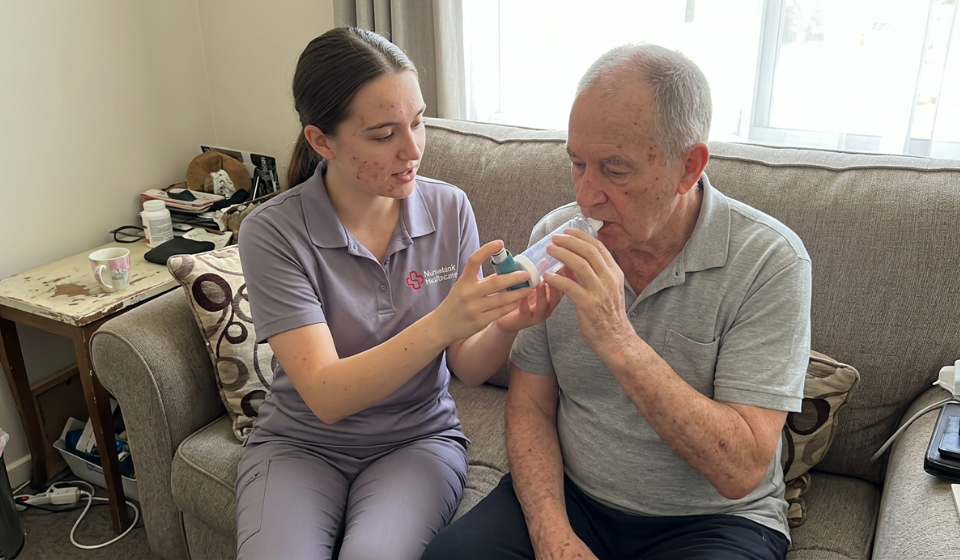
Asthma is a respiratory condition that can affect children and adults, including older people. It develops when the airways become sensitive to particular triggers, causing inflammation and changes that can restrict airflow. Symptoms may come and go or become more persistent, depending on the individual and how well the condition is controlled.
What Is Asthma? Understanding The Condition & Its Effects
Asthma is a chronic condition affecting the airways, the tubes that carry air into and out of the lungs. Healthy airways normally allow air to move freely. With asthma, the airways can become unusually sensitive and react to certain triggers, making breathing harder.
During asthma symptoms, several changes can occur:
- The airway lining becomes inflamed and swollen.
- Muscles around the airways tighten.
- The airways may produce additional mucus.
- The airway passages become narrower.
- Reduced airflow can cause wheezing, coughing, chest tightness and breathlessness.
Asthma can be occasional or persistent, and severity can change over time. It is also different from conditions such as a heart attack or respiratory infection, although these can cause similar breathing problems. New, severe or unexplained breathing difficulties should be assessed by a healthcare professional.
What Are The Different Types Of Asthma?
The different types of asthma are generally described according to triggers, age of onset or circumstances surrounding symptoms, and more than one pattern can occur in the same person.
Allergic Asthma
Allergic asthma is associated with allergens such as pollen, dust mites, mould or animal dander. Exposure to a relevant allergen can contribute to airway inflammation and symptoms.
Non-Allergic Asthma
Non-allergic asthma occurs without a typical allergic response. Smoke, pollution, cold air, infections, strong smells or other irritants may trigger symptoms.
Exercise-Induced Asthma
Exercise-induced asthma causes symptoms during or after physical activity. With appropriate management, many people can remain active.
Occupational Asthma
Occupational asthma is associated with workplace exposure to dust, fumes, chemicals or other airborne irritants. Symptoms may follow a work-related pattern.
Childhood Asthma
Childhood asthma develops during childhood and may change as a child grows. Symptoms can occur with infections or allergens.
Adult-Onset Asthma
Adult-onset asthma develops during adulthood and can occur without a previous asthma history. Workplace exposures, allergies, infections and other factors may contribute. A healthcare professional can help identify the appropriate treatment.
What Are The Common Symptoms Of Asthma?
The common symptoms of asthma are wheezing, shortness of breath, recurring coughing, chest tightness and difficulty breathing. They occur when airway inflammation and narrowing reduce normal airflow.
Severe breathing difficulty requires urgent attention. Warning signs include rapidly worsening breathlessness, difficulty speaking because of breathing problems, extreme exhaustion or symptoms that do not improve with prescribed reliever medicine. Seek immediate medical assistance in an emergency.
What Causes Asthma & What Can Trigger Its Symptoms?
The causes of asthma involve genetic and environmental factors, while triggers are substances or situations that cause symptoms to appear or worsen. Having a risk factor does not mean someone will definitely develop asthma.
Potential Causes & Risk Factors
Genetics and family history can influence susceptibility. Allergies, environmental exposure, respiratory infections and workplace exposure may also contribute. Other individual factors can affect airway sensitivity.
Common Asthma Triggers
Common triggers include pollen, dust, dust mites, mould, pet dander, cigarette smoke, air pollution, cold air, exercise, respiratory infections, strong smells, chemical fumes, stress and strong emotions. Not every trigger affects every person.
How Is Asthma Diagnosed & Treated?
Asthma diagnosis usually combines medical history, symptom assessment, physical examination and, where appropriate, lung function testing. Treatment focuses on controlling airway inflammation, relieving symptoms and reducing future flare-ups.
How Is Asthma Diagnosed?
Diagnosis may involve:
- Reviewing symptoms, timing, triggers and medical history.
- Performing a physical examination.
- Using spirometry to assess airflow.
- Measuring peak flow when appropriate.
- Considering other breathing or allergy tests when clinically indicated.
How Is Asthma Treated?
Management and treatment of asthma depend on the person’s symptoms, severity and health needs. Treatment may include prescribed reliever medicines for acute symptoms and preventer or controller medicines to reduce airway inflammation. Correct inhaler technique matters, and regular medical reviews can help determine whether treatment remains effective.
How Can Asthma Be Managed?
Effective management may include identifying relevant triggers, taking medicines as prescribed, monitoring symptoms, following an asthma action plan, maintaining suitable physical activity, avoiding tobacco smoke and attending healthcare reviews.
What Should You Do During An Asthma Attack?
During an asthma attack, follow the person’s asthma action plan and use prescribed reliever medicine as directed. If symptoms are severe, worsening quickly or not improving with prescribed treatment, seek emergency medical assistance. Severe breathing difficulty can become life-threatening.
Conclusion
Asthma affects the airways and can cause wheezing, coughing, chest tightness and breathing difficulty, but appropriate management can help many people control their symptoms. Recognising symptoms and triggers, receiving an accurate diagnosis, using prescribed treatment correctly and attending regular reviews are important for long-term care. Unexplained or worsening breathing symptoms should always be assessed professionally.
Frequently Asked Questions
Can asthma cause crackling in lungs?
Asthma is more commonly associated with wheezing than crackling sounds. Crackles can occur with other respiratory conditions, including some infections or problems affecting lung tissue. New crackling sounds with persistent breathlessness or worsening symptoms should be medically assessed rather than automatically attributed to asthma.
Can asthma cause pain in chest?
Asthma can cause chest tightness and discomfort, particularly during breathing difficulties or repeated coughing. However, new or significant chest pain should not automatically be blamed on asthma because heart and lung conditions can cause similar symptoms. Sudden, severe or persistent chest pain with breathlessness requires urgent medical assessment.
Can asthma cause shaking?
Asthma is not usually a direct cause of shaking. Trembling can sometimes occur after using certain reliever medicines, while anxiety during breathing difficulties may also contribute. Persistent or severe shaking, especially with weakness, confusion or other concerning symptoms, should be assessed by a healthcare professional.
Can allergies cause asthma symptoms?
Yes. Allergies can trigger asthma symptoms in people with allergic asthma. Pollen, dust mites, mould and animal dander may contribute to airway inflammation and narrowing, causing coughing, wheezing, chest tightness or shortness of breath. Identifying relevant allergens can help guide an individual management plan.
Does asthma affect the respiratory system?
Yes. Asthma directly affects the respiratory system, particularly the airways within the lungs. Inflammation, tightening of surrounding muscles and increased mucus can narrow these passages and reduce airflow. This can cause wheezing, coughing, chest tightness and shortness of breath. Asthma management therefore focuses heavily on airway function.
Does asthma affect the trachea?
Asthma primarily affects the smaller airways within the lungs rather than the trachea, the main airway connecting the throat to the lungs. Unusual throat noises, discomfort or breathing symptoms may have other causes. A healthcare professional can determine whether symptoms are related to asthma or another respiratory condition.
Does asthma cause burning in the chest?
Burning in the chest is not a typical defining symptom of asthma, which more often causes chest tightness. Reflux, respiratory irritation and other conditions can produce a burning sensation. Persistent or unexplained chest burning should be discussed with a healthcare professional, particularly when it occurs with breathlessness or chest pain.
Does asthma cause seizures?
Asthma does not normally cause seizures. A severe medical emergency involving very low oxygen levels can affect brain function, but seizures are not a typical asthma symptom. Anyone experiencing a seizure, loss of consciousness or severe breathing difficulty needs urgent medical attention, because other neurological or medical causes may need investigation.